Affordable Homemade Alternatives to Dog Food
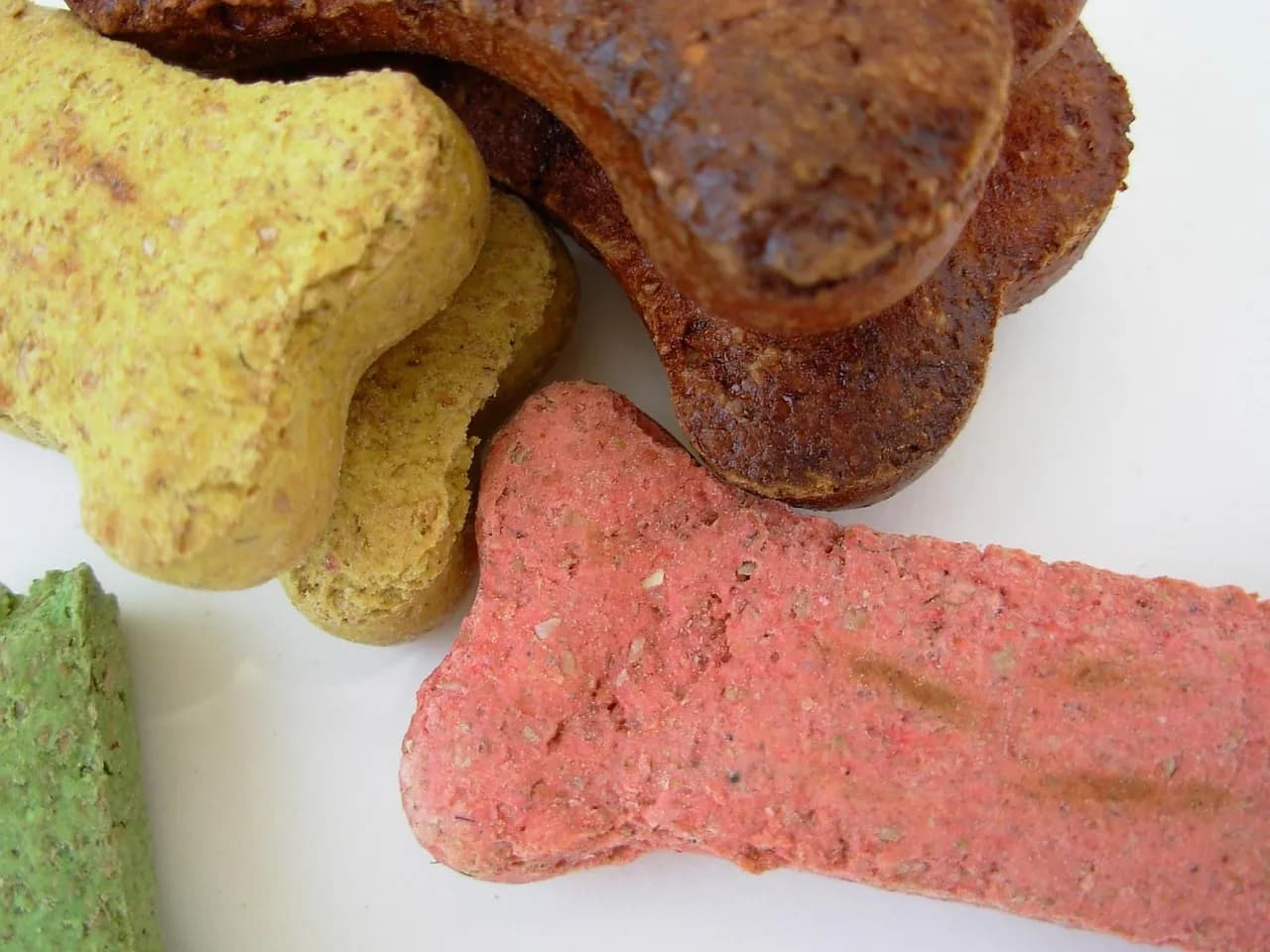
Affordable Homemade Alternatives to Dog Food
In challenging financial times, feeding your dog can become a source of concern. Fortunately, there are several affordable alternatives to commercially prepared dog food that are both nutritious and easy to prepare at home.
General Considerations
Before diving into meal alternatives, it's important to ensure that any homemade diet provides balanced nutrition. Dogs require a mix of proteins, carbohydrates, fats, vitamins, and minerals. A useful tool is our Nutrition Planner, which can help you design balanced meals for your dog.
Protein Sources
Protein is a fundamental component of your dog's diet. Here are some affordable protein sources:
- Eggs: A great, cheap source of protein. Serve them scrambled or boiled.
- Chicken: Opt for cheaper cuts like thighs or drumsticks. Remove the bones after cooking.
- Lentils and Beans: These are excellent for adding vegetarian protein. Cook them thoroughly before serving.
Carbohydrates for Energy
Carbohydrates are essential for providing your dog with energy. Consider these inexpensive options:
- Rice: White or brown rice is a great base for a homemade dog meal.
- Oats: Cooked oats can be a filling addition to their diet.
- Potatoes and Sweet Potatoes: Cook them without any added butter or salt.
Vegetables for Nutrients
Vegetables can provide essential vitamins and minerals:
- Carrots: These are good for dogs, offering vitamins without being expensive.
- Peas: Another cost-effective vegetable high in vitamins.
- Spinach and Kale: Use in moderation due to their high oxalate content.
Fats for Health
Fats are vital for a shiny coat and healthy skin:
- Olive Oil: Drizzle a small amount over your dog’s meal.
- Fish Oil: A good source of omega-3 fatty acids, beneficial for skin and coat.
Sample Recipe
Here's a simple recipe combining all the elements discussed:
Chicken and Rice Delight
- 1 cup of cooked chicken (shredded)
- 1 cup of cooked brown rice
- 1/2 cup of mixed vegetables (such as carrots and peas)
- 1 tablespoon of olive oil
Combine all ingredients and let cool before serving.
Safety Tips
- Always avoid toxic foods like onions, garlic, chocolate, and grapes. Use our Toxic Foods Checker for a comprehensive list.
- Introduce any new food gradually to avoid digestive upset.
Additional Resources
For further guidance, refer to our Dog Behavior Guide to understand how dietary changes might affect your dog’s behavior.
For more tips and resources, you can also explore PetMD's guide.
By utilizing these affordable ingredients and following these guidelines, you can ensure your dog receives a nutritious diet even during tough times. Remember to monitor your dog's health and adjust portions as necessary.
Nutritional Balance: The Critical Factor
The biggest risk with homemade dog food is nutritional imbalance. Commercial dog foods are formulated to meet AAFCO nutritional standards, which ensure your dog receives the correct ratios of over 40 essential nutrients. Homemade diets often fall short in calcium, zinc, vitamin D, essential fatty acids, and specific amino acids — deficiencies that may not show symptoms for months but can cause serious health problems over time.
If you want to prepare homemade meals regularly (not just as occasional treats), consult a veterinary nutritionist. They can formulate recipes specific to your dog's breed, age, weight, and health conditions. The World Small Animal Veterinary Association (WSAVA) provides guidelines for evaluating pet food nutrition.
For most dog owners, the safest approach is to use homemade food as a supplement — comprising no more than 10-20% of the total diet — while relying on a complete and balanced commercial food for the foundation. Our Nutrition Planner can help you calculate the right proportions.
Safe Homemade Recipes to Try
Here are some simple, vet-approved supplemental recipes:
Frozen Kong Stuffing: Mix plain pumpkin puree (not pie filling), a spoonful of natural peanut butter (check it does not contain xylitol), and a few pieces of kibble. Stuff into a Kong and freeze overnight. This provides enrichment and a healthy treat.
Bone Broth: Simmer beef or chicken bones (with joints for extra glucosamine) in water with a splash of apple cider vinegar for 12-24 hours. Strain thoroughly, cool, and serve as a meal topper or freeze in ice cube trays. Bone broth supports joint health and encourages hydration.
Veggie Mix-In: Steam and puree a mix of carrots, green beans, and sweet potato. Add a tablespoon to your dog's regular food for extra fiber and vitamins. Always check our Toxic Foods Checker before adding new vegetables — onions, garlic, and grapes are all dangerous.
Foods to Absolutely Avoid
Some common kitchen ingredients are toxic to dogs:
- Onions and garlic (all forms — raw, cooked, powder) cause red blood cell damage
- Grapes and raisins can cause acute kidney failure
- Xylitol (artificial sweetener found in many "sugar-free" products) causes rapid insulin release and liver failure
- Chocolate contains theobromine, which dogs metabolize very slowly
- Cooked bones can splinter and cause internal punctures
- Macadamia nuts cause weakness, vomiting, and tremors
When in doubt, always verify an ingredient's safety with our Toxic Foods Checker before feeding it to your dog. And remember — changes to your dog's diet should always be gradual, transitioning over 7-10 days to prevent digestive upset.
You might also like
Top Tips for Storing Your Dog's Food Freshly and Securely
Aug 26, 2026
Discover the best ways to store your dog's food to maintain freshness and nutrition. Secure your pantry and keep pests away!
Understanding Short Spine Syndrome in Dogs: A Look at Recent Findings
Aug 24, 2026
Discover how short spine syndrome, as seen in the viral raccoon 'Jimothy', can also affect dogs, and what it means for your pet's health.
Is Vegan Dog Food a Healthy Choice? A New Study Weighs In
Aug 23, 2026
Discover if vegan dog food can meet your pup's nutritional needs while being digestible. What does the latest research reveal?
Comments
No comments yet. Be the first to comment!
Anbefalt Hundeopplæring


Vi kan motta en provisjon hvis du kjøper gjennom disse lenkene (uten ekstra kostnad for deg).