Alaskan Wolves' Surprising Taste for Sea Otters: What It Means
Why Should Dog Owners Be Interested?
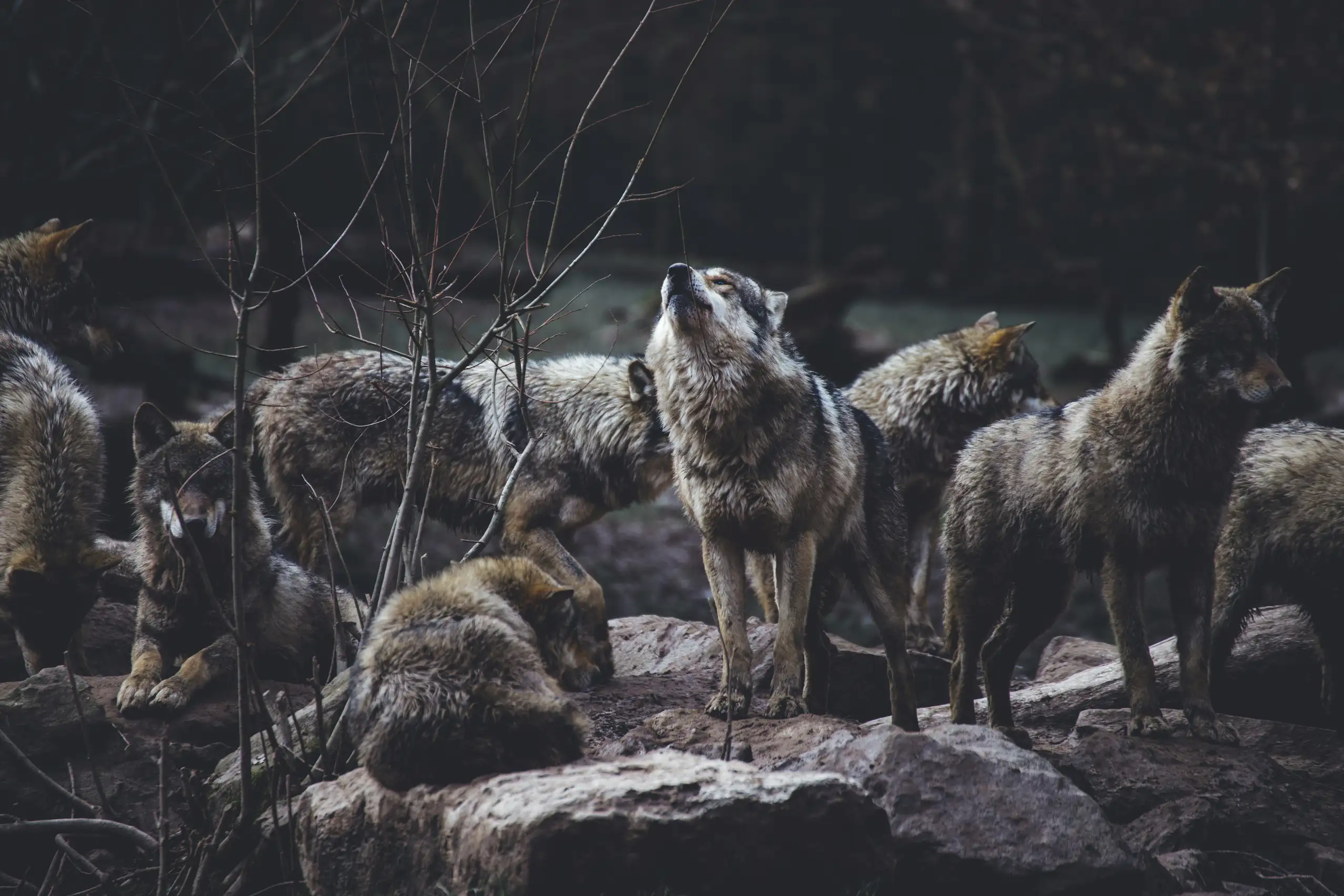
Imagine taking a leisurely walk along the coast and witnessing the majestic gray wolves in their natural habitat. Now, picture these wolves diving into the ocean to hunt sea otters—a scene that might sound like something out of a nature documentary. This intriguing behavior is happening on Prince of Wales Island, Alaska, where gray wolves have developed a taste for sea otters. Dog owners and animal lovers alike might wonder, why this shift in diet? And how does it affect both the wolves and the coastal ecosystem?
The Research: What Are Scientists Discovering?
Researchers, led by Patrick Bailey, a Ph.D. candidate at the University of Rhode Island, are delving into this unusual dietary shift. The team is using innovative methods, like analyzing wolf teeth and setting up trail cameras, to understand how these predators adapt to hunting in aquatic environments. This research is not just about what the wolves eat; it's about discovering how these coastal wolves might differ from their inland cousins.
Gray wolves are significant players in regulating land-based ecosystems, influencing prey populations and habitat dynamics. Bailey's research suggests that similar interactions might be occurring in marine settings, potentially transforming our understanding of how land and sea ecosystems are interconnected. "We suspect that the ties between terrestrial and aquatic food webs are more prevalent than previously thought," Bailey notes, emphasizing the potential for wolves to impact these environments dramatically.
The study also hints at a historical predator-prey relationship being rekindled. Sea otters, once abundant along the Pacific Coast, faced drastic population declines due to the fur trade but are now slowly recovering. Wolves reviving their interest in sea otters could reflect an ancient ecological interaction.
What Does This Mean for Dog Owners?
The findings of this study could broaden our understanding of canine adaptability and resourcefulness. If wolves can adjust their hunting strategies so significantly, it highlights the incredible versatility that all canines possess. For dog owners, this might inspire new ways to engage with and challenge their dogs, perhaps by introducing activities that tap into their natural instincts. Consider exploring our Training Guide to find ways to stimulate your dog's innate abilities.
Moreover, understanding these interactions can deepen our appreciation for the delicate balance between predators and prey. Just as wolves affect their environment, your dog plays a role in the local ecosystem, influencing everything from plant growth through their activities to interacting with other wildlife. You can use the Lifestyle Matcher to find activities that suit both your lifestyle and your dog's natural behaviors.
Practical Takeaways
- Engage Your Dog's Instincts: Use the Training Guide to tap into your dog's natural hunting and problem-solving skills.
- Explore Local Wildlife: Learn about local ecosystems and how your dog's behavior fits into this larger picture.
- Contribute to Conservation: Support efforts to protect both wolves and sea otters by understanding their ecological roles.
Key Insights: Wolves and Sea Otters
20+ years
Reports of Aquatic Prey
Wolves have been reported to eat aquatic prey for over two decades.
Endangered
Sea Otter Status
Sea otters are classified as endangered.
A Note on the Evidence
This research is in its early stages, with ongoing studies needed to fully understand the implications of wolves hunting sea otters. The sample sizes are still relatively small, and while initial findings are promising, further research will help clarify these interactions. For more detailed insights, you can check the study's press release.
Enhance Your Dog’s Instincts
Introduce problem-solving games to stimulate your dog's mind.
Explore different terrains during walks to mimic natural hunting environments.
Closing Thoughts
The story of Alaskan wolves and their surprising hunting habits opens up a new window into the complex relationships within our natural world. As we continue to learn about these interactions, dog owners can find inspiration in the adaptability and resourcefulness of their own pets. Share your thoughts and experiences with us on our blog, and let's continue to explore the fascinating world of our canine companions together.
You might also like

Why Do Dogs Chew on Socks and Rocks? Understanding Their Quirky Habits
Aug 15, 2026
Discover why dogs chew on unusual items like socks and rocks, and learn how to manage these behaviors effectively.

20 Tough-Looking Dogs That Are Actually Gentle Giants
Aug 14, 2026
Discover 20 dog breeds that appear tough but are full of love and loyalty. These gentle giants will surprise you with their affectionate nature.

Why Your Dog Checks On You: Understanding Their Sweet Behavior
Aug 7, 2026
Discover the heartwarming reasons your dog checks in on you and learn how this behavior strengthens your bond.
Comments
No comments yet. Be the first to comment!
Anbefalt Hundeopplæring


Vi kan motta en provisjon hvis du kjøper gjennom disse lenkene (uten ekstra kostnad for deg).