Compassionate Training Techniques for Nervous Dogs
Understanding the Skittish Dog
Imagine walking through life seeing danger around every corner. For many skittish dogs, this is their daily reality. Often stemming from past experiences or innate sensitivities, a dog’s nervous behavior can manifest in various situations, from walks to unexpected noises at home. While initially daunting, dog owners need to understand the root of these behaviors to aid their furry friends in leading calmer, happier lives.
Building Trust as a Foundation
The journey to ease your dog’s fears begins with building trust. This isn’t about immediate training but about creating a safe, consistent environment where your dog feels secure. Everyday interactions at home are key. For instance, calmly and predictably handling feeding times, play, and rest can lay a foundation of trust. Even if a dog’s anxiety is noticeable primarily outside, the work you do within your home is crucial.
Recognizing specific triggers is pivotal. Identifying whether your dog is startled by loud noises, strangers, or other animals allows for targeted strategies. For example, if your dog is afraid of the doorbell, work on desensitizing them to that specific sound. Trust is bolstered not just by what you do, but also by how you react. Resist the urge to comfort with excessive affection when your dog is scared, as this might reinforce their anxiety. Instead, neutral responses paired with positive reinforcements when they show bravery can be more effective.
## Techniques for Easing Anxiety
Classical Conditioning
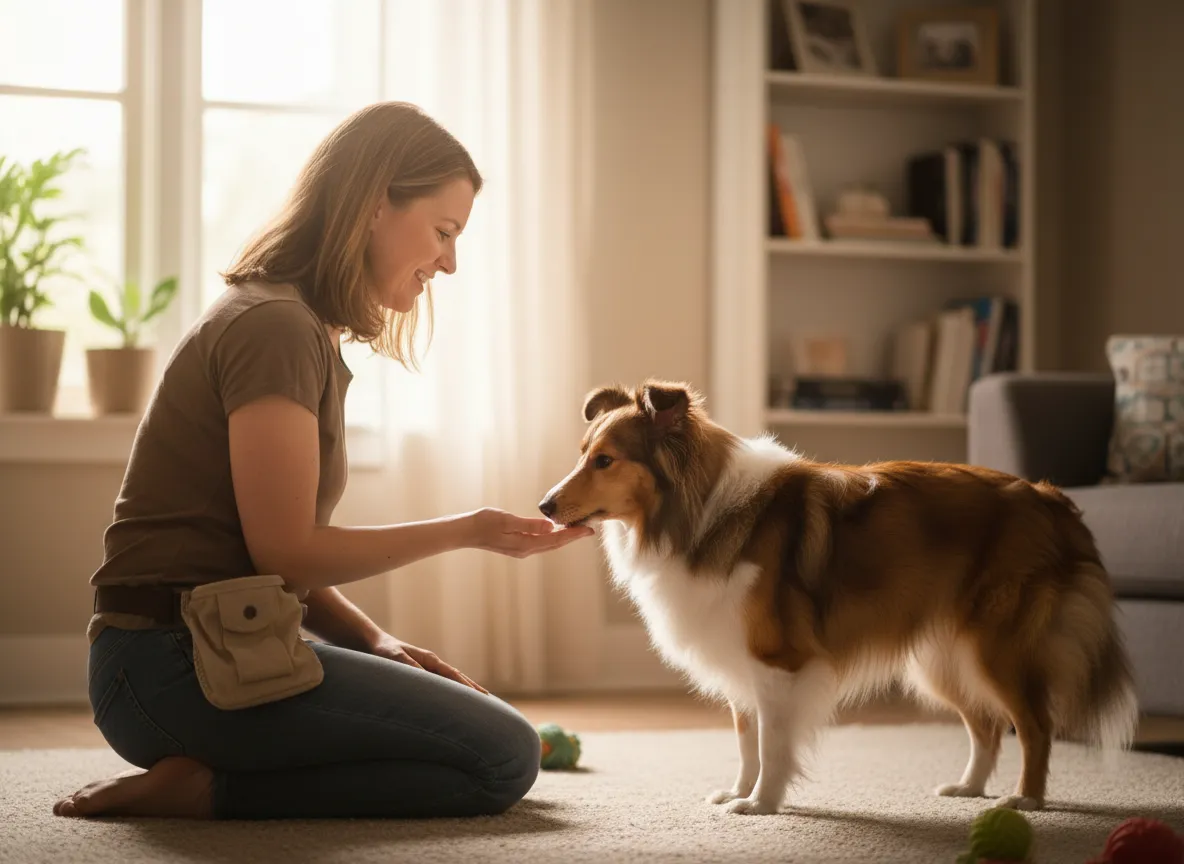
Classical conditioning remains one of the most effective methods for helping a fearful dog. This involves associating a feared trigger with something positive. For example, if your dog is anxious about strangers, try associating their presence with a beloved treat. Over time, the presence of strangers becomes less of a threat and more of an opportunity.
It's important to choose the right rewards. High-value treats or a favorite toy can make a significant difference. The idea is to create a scenario where the dog is motivated and engaged enough to overcome its initial fear response.
Practical Tips for Managing Canine Anxiety
Identify and List Triggers
Use Positive Reinforcement
Create a Safe Space
Consistent Routine
A regular routine can also help anxious dogs. Consistency in daily activities such as feeding times, walks, and playtime helps establish a predictable environment. This predictability reduces stress and helps your dog understand what to expect, reducing anxiety levels.
Practical Tips for Dog Owners
- Identify and List Triggers: Keep a notebook of situations that cause anxiety in your dog. It helps you pinpoint and address specific fears.
- Use Positive Reinforcement: Reward your dog when they remain calm in situations that previously caused anxiety.
- Create a Safe Space: Ensure your dog has a quiet, comfortable space where they can retreat when feeling overwhelmed.
Conclusion
Training a skittish dog requires patience, empathy, and understanding. By building trust, recognizing triggers, and employing techniques like classical conditioning, you can help your canine companion live a more relaxed life. Remember, every small victory is a step towards a happier dog. For more insights on dog behavior, check out our Dog Behavior Guide.
For further reading, consider resources from ASPCA or PetMD for expert advice on managing canine anxiety.
You might also like

6 Heartwarming Signs Your Dog Truly Trusts You
Aug 8, 2026
Discover the subtle signs that reveal your dog’s deep trust and learn how to nurture this precious bond.
A Heartwarming Tale of Harmony Between Two Dogs
Jul 14, 2026
Discover how a rescue dog and an older dog found peace together, and learn tips for managing multi-dog households.
Why Does My Dog Lean Against Me? Unpacking the Canine Lean
Jun 12, 2026
Discover why dogs lean on us, what it means for your pup's comfort and trust, and how to interpret this affectionate behavior.
Comments
No comments yet. Be the first to comment!
Anbefalt Hundeopplæring


Vi kan motta en provisjon hvis du kjøper gjennom disse lenkene (uten ekstra kostnad for deg).