Embracing Independence: The Unique Charm of Self-Reliant Dog Breeds
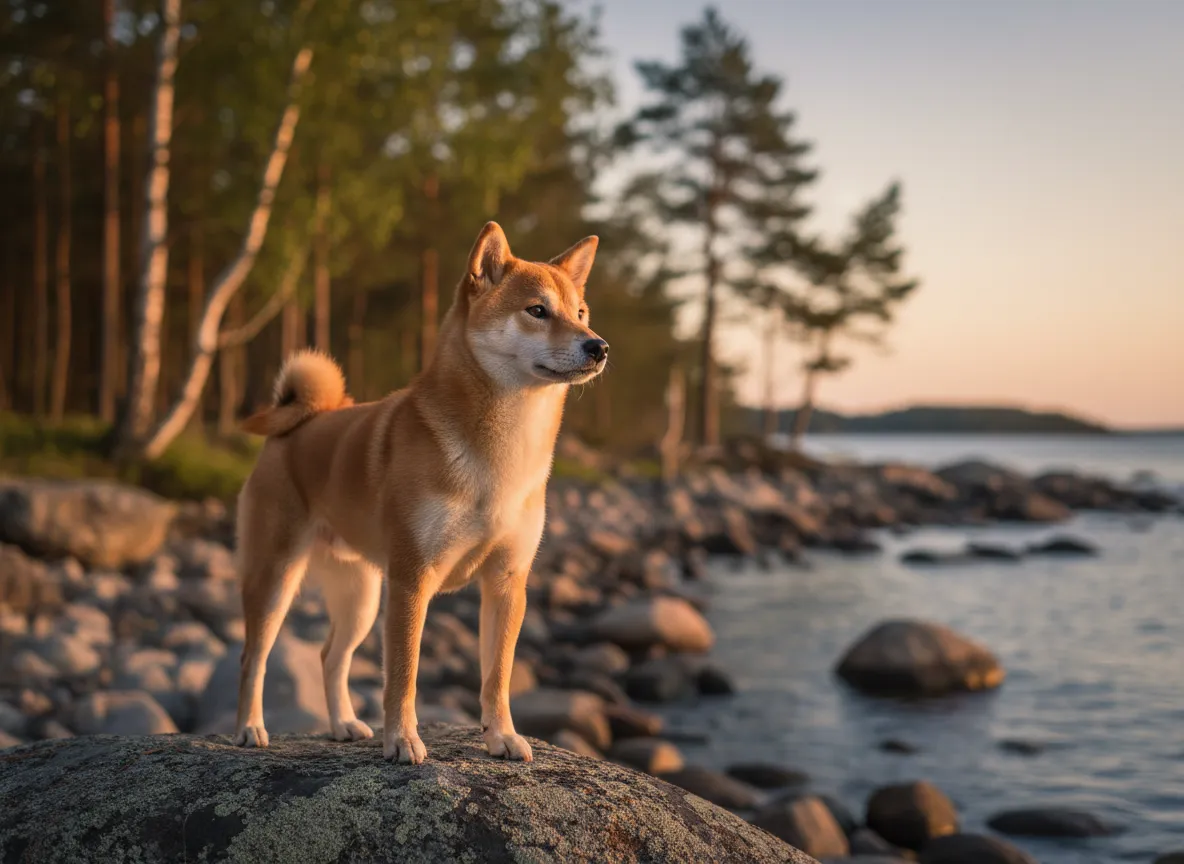
The Unique World of Independent Dog Breeds
In the realm of canine companionship, not all dogs yearn to be underfoot. Some prefer a more autonomous lifestyle, offering a distinctive charm to those who appreciate a pet with a mind of its own. These independent breeds are known for their strong-willed nature, often displaying a balance of affection and self-sufficiency.
The appeal of an independent dog lies in its ability to forge a deep bond without the need for constant interaction. These breeds have been cultivated over generations to perform tasks without human oversight, making them capable and confident companions.
The Appeal of Independence
For many pet owners, the idea of a devoted yet independent dog is ideal. Such breeds are not aloof; rather, they express their affection through subtle cues and selective engagement. This can mean enjoying moments of solitude while still cherishing the presence of their human family.
Notably, these dogs were often bred for purposes that required independent thinking. Whether herding sheep or guarding estates, they developed a keen sense of autonomy. For example, the Siberian Husky is renowned for its endurance and ability to make decisions in challenging environments.
Understanding Canine Independence
Self-Sufficient by Nature
Independent breeds are often mistaken for being unfriendly, but this couldn't be further from the truth. They are typically loyal and form strong attachments, just in a less overt manner. Their independence doesn't diminish their affection—it simply manifests differently. To understand more about canine behavior, explore our Dog Behavior Guide.
Tips for Handling Independent Dogs
Engage in regular activities to keep your dog stimulated.
Respect your dog's need for space and quiet.
Use positive reinforcement consistently during training.
The Role of Training and Environment
Training plays a pivotal role in managing these headstrong breeds. Consistent, positive reinforcement helps channel their instincts constructively. Our Training Guide offers valuable insights into strategies that work well with independent breeds.
Moreover, providing a stimulating environment is crucial. Mental and physical challenges keep their minds engaged and help prevent boredom-driven mischief. Consider using our Product Research tool to find toys and activities that suit your dog's needs.
Practical Tips for Owners
- Engage in Regular Activities: Independent dogs thrive on routine. Establish regular walks, play sessions, and training to keep them engaged.
- Respect Their Space: Understand and respect their need for solitude. A designated quiet area can be beneficial.
- Consistent Training: Use positive reinforcement to encourage desired behaviors, ensuring commands are clear and consistent.
Conclusion
Independent dog breeds bring a unique blend of confidence and companionship to the table. They offer a rewarding relationship based on mutual respect and understanding. If you're considering welcoming an independent breed into your home, remember that their self-reliant nature is part of what makes them delightful companions. For more guidance on matching the right breed to your lifestyle, check out our Lifestyle Matcher.
By embracing their unique qualities, you can enjoy a fulfilling and harmonious relationship with your independent furry friend.


You might also like

The Best Dog Breeds for Being Home Alone Comfortably
Feb 12, 2026
Discover dog breeds that excel at being home alone, offering peace of mind for busy pet owners. Learn how to support your dog's independence.

Can Dogs Truly Smell Fear? Insights and Truths
Aug 27, 2026
Explore the science behind dogs' ability to smell emotions, particularly fear, and debunk common myths.

Why Dogs Patiently Wait for Their Humans
Aug 11, 2026
Discover why your dog is always at your side and learn the heartwarming reasons behind their loyal waiting.
Comments
No comments yet. Be the first to comment!
Anbefalt Hundeopplæring


Vi kan motta en provisjon hvis du kjøper gjennom disse lenkene (uten ekstra kostnad for deg).