How to Assess Your Dog’s Body Condition for Optimal Health
Understanding Your Dog’s Body Condition for Optimal Health
In today's world, where health and fitness take center stage, many of us are keenly aware of our own body condition metrics such as BMI and body fat percentage. But have you ever considered applying the same level of attention to your furry friend's health? Just like us, dogs benefit from a balanced diet and regular exercise. Understanding your dog's body condition score (BCS) can help ensure they remain in peak health, potentially warding off serious illnesses.
What is a Body Condition Score?
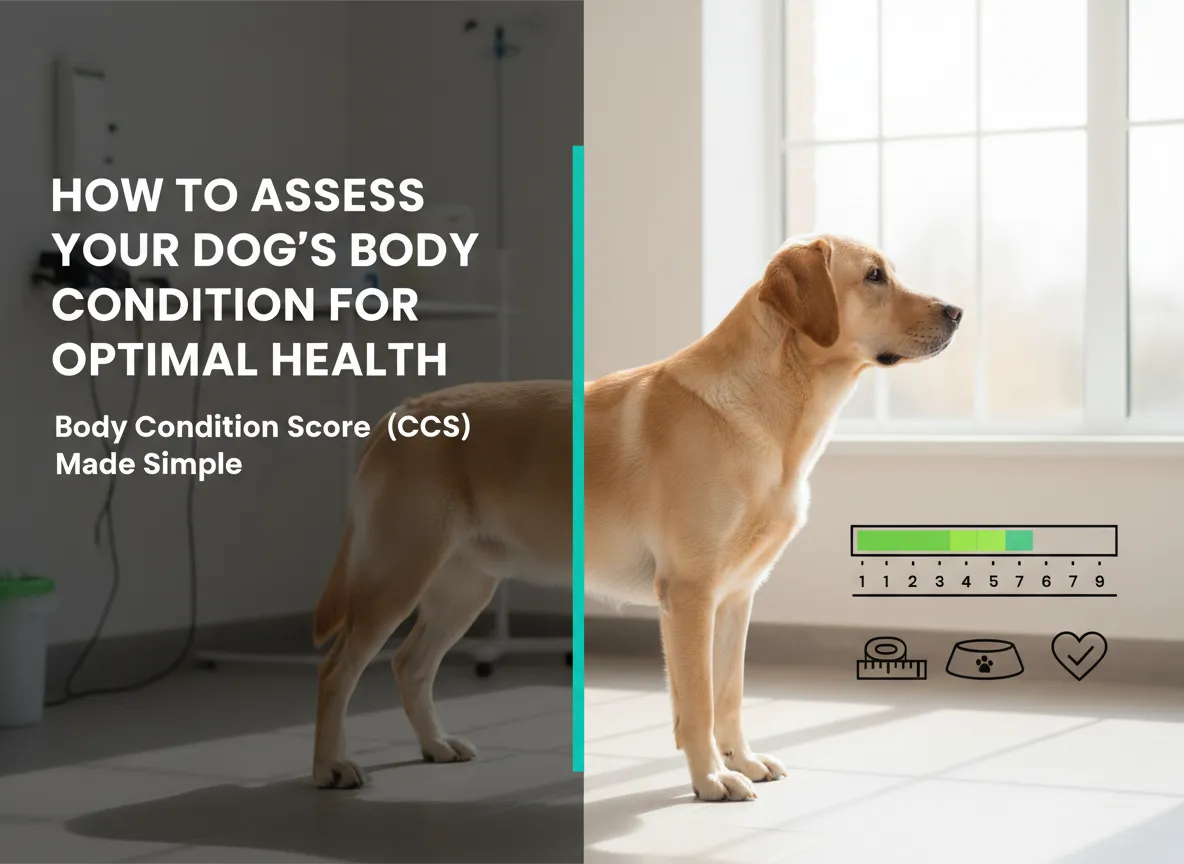
A Body Condition Score is a tool used by veterinarians and pet owners to assess a dog's body fat and overall health. It is similar to the BMI for humans but tailored for canine physiology. The BCS typically ranges from 1 to 9, with 1 being underweight and 9 indicating obesity. Ideally, a dog should score between 4 and 5, which suggests a healthy weight. PetMD offers comprehensive guidelines on assessing BCS, highlighting the importance of regular health checks.
Why BCS Matters
Monitoring your dog's BCS is crucial because it provides insights into their health status. A score that is too high or too low can be indicative of underlying health issues. For example, dogs with a high BCS are at risk for diabetes, joint problems, and heart disease, while those with a low BCS might suffer from malnutrition or other metabolic disorders.
Using a Nutrition Planner can help tailor your dog's diet to maintain an optimal BCS. It's important to remember that just like humans, dogs require a balanced intake of nutrients to support their lifestyle.
How to Assess Your Dog’s BCS
Evaluating your dog's BCS involves a combination of visual observation and physical examination:
- Visual Check: Look at your dog from above and from the side. You should be able to see a clear waist behind the ribs.
- Rib Check: Gently run your hands along your dog's sides. You should be able to feel the ribs without pressing too hard.
- Profile View: When viewed from the side, your dog should have an upward tuck of the belly after the ribs.
For a detailed guide, you can refer to the Dog Behavior Guide which provides insights into maintaining physical and mental health in dogs.
Tips for Maintaining a Healthy BCS
Ensure daily exercise suitable for your dog's breed.
Use a balanced and nutritious diet to prevent obesity.
Schedule regular veterinary check-ups.
Practical Tips for Maintaining a Healthy BCS
Here are some actionable tips to help keep your dog’s BCS in the ideal range:
- Regular Exercise: Ensure your dog gets daily exercise appropriate for their breed and age. This could be a walk, a run, or playtime in the park.
- Balanced Diet: Use a Toxic Foods Checker to ensure your dog's diet is free from harmful foods and rich in essential nutrients.
- Routine Check-ups: Schedule regular vet visits to monitor your dog's health and BCS.
Conclusion
Maintaining your dog's BCS is key to their overall well-being. By regularly assessing their condition and adapting their lifestyle and diet accordingly, you can help your furry friend live a long, healthy life. For more insights into dog health and care, visit our blog and embrace the joy of being a responsible pet owner. Remember, a healthy dog is a happy dog!
You might also like

Celebrate Summer with Strawberry Treats for Your Dog
Jul 21, 2026
Discover delightful strawberry-inspired treats and toys for your dog this summer. Learn about the safe and healthy ways to include strawberries in their diet.

Understanding Restlessness in Dogs: A Sign of Pain?
Jul 8, 2026
Restlessness in dogs might indicate pain. Learn the signs and how to help your furry friend find comfort.
Top Picks for Soft Dog Treats: Healthy Choices for Your Furry Friend
Jul 2, 2026
Explore the best soft dog treats that offer delicious flavors, support sensitive teeth, and enhance training for dogs of all ages.
Comments
No comments yet. Be the first to comment!
Anbefalt Hundeopplæring


Vi kan motta en provisjon hvis du kjøper gjennom disse lenkene (uten ekstra kostnad for deg).