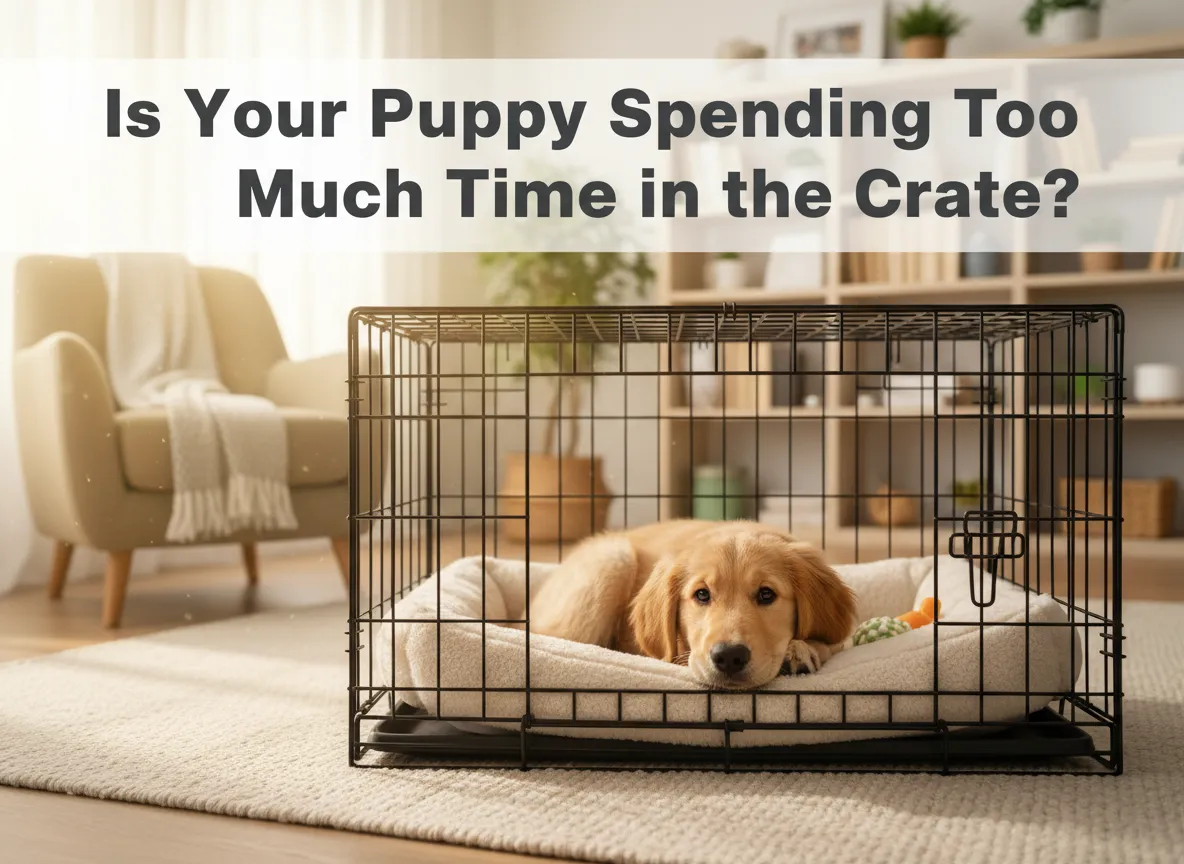
Is Your Puppy Spending Too Much Time in the Crate?
Introduction
Crate training is a popular method among dog owners for housebreaking and providing a safe space for their puppies. However, spending too much time in the crate can affect your puppy's development and socialization skills. If your puppy is crated for more than 16 hours a day, it's crucial to assess whether this is beneficial for their growth.
Ensuring your puppy has a balanced routine that includes crate time, play, and social interaction is key to raising a well-adjusted dog. Let's explore how you can create a healthier schedule for your furry friend.
Understanding Crate Training
Crate training involves using a kennel or crate as a tool to help with housebreaking, safety, and teaching boundaries. While it can be effective when used correctly, overreliance on crate confinement can lead to various problems:
- Behavioral Issues: Excessive crate time can result in anxiety, restlessness, and even depression in your puppy.
- Lack of Socialization: Puppies need interaction with people and other dogs to develop social skills.
- Physical Health Concerns: Limited movement in a crate can affect muscle development and joint health.
It's important to use the crate as one part of a comprehensive training regimen. Check out our Training Guide for more insights on balanced training approaches.
Setting a Balanced Schedule
Creating a schedule that allows your puppy to thrive involves balancing crate time with play, exercise, and rest. Here’s a suggested daily routine:
- Morning Activity: Start the day with a short walk or play session. This helps burn off energy and encourages good behavior.
- Meal Time: Feed your puppy breakfast and give them 15-30 minutes to digest and play.
- Crate Rest: Use the crate for rest periods, ensuring each session is no longer than 2-3 hours.
- Midday Play: Engage your puppy in interactive play or training exercises around midday.
- Afternoon Nap: A short nap in the crate can help your puppy recharge.
- Evening Exercise: An evening walk or play session helps tire your puppy before bed.
Refer to our Dog Age Calculator to ensure your routine aligns with age-appropriate activity levels.
Practical Tips for Crate Training
- Gradual Changes: Reduce crate time gradually if your puppy is used to long periods in confinement.
- Create a Safe Space: Make the crate comfortable with soft bedding and favorite toys.
- Use Positive Reinforcement: Reward your puppy for calm behavior in and out of the crate.
- Monitor Behavior: Watch for signs of distress, such as excessive barking or chewing.
Explore our Dog Behavior Guide for more tips on understanding your puppy's behavior.
When to Seek Professional Advice
If you notice significant behavioral changes, or if your puppy seems overly anxious or aggressive, it may be time to consult a professional trainer or a veterinarian. Excessive crate time might require a tailored intervention plan from an expert. You can find guidance from trusted sources like the American Kennel Club or your local veterinary office.
Conclusion
Balancing crate time with activities and socialization is essential for your puppy's development and happiness. By following a structured routine and observing your puppy's behavior, you can ensure they grow into a well-behaved and healthy adult dog. Share your experiences and read more helpful tips on our blog.
You might also like

Helping a Stray Puppy Overcome Fear and Find Comfort
Jul 15, 2026
Discover how to care for a stray puppy too afraid to approach humans, with compassionate steps to build trust and ensure proper feeding.
Transforming Your Dog's Crate into a Cozy Haven
May 18, 2026
Learn how to make your dog's crate a welcoming space with the right setup and engaging activities.

Helping Your Overstimulated Puppy Adjust to City Life
Apr 6, 2026
Learn how to support your overstimulated puppy in a busy city environment with practical and effective strategies.
Comments
No comments yet. Be the first to comment!
Anbefalt Hundeopplæring


Vi kan motta en provisjon hvis du kjøper gjennom disse lenkene (uten ekstra kostnad for deg).