Understanding Canine Reproductive Health: Key Issues and Solutions
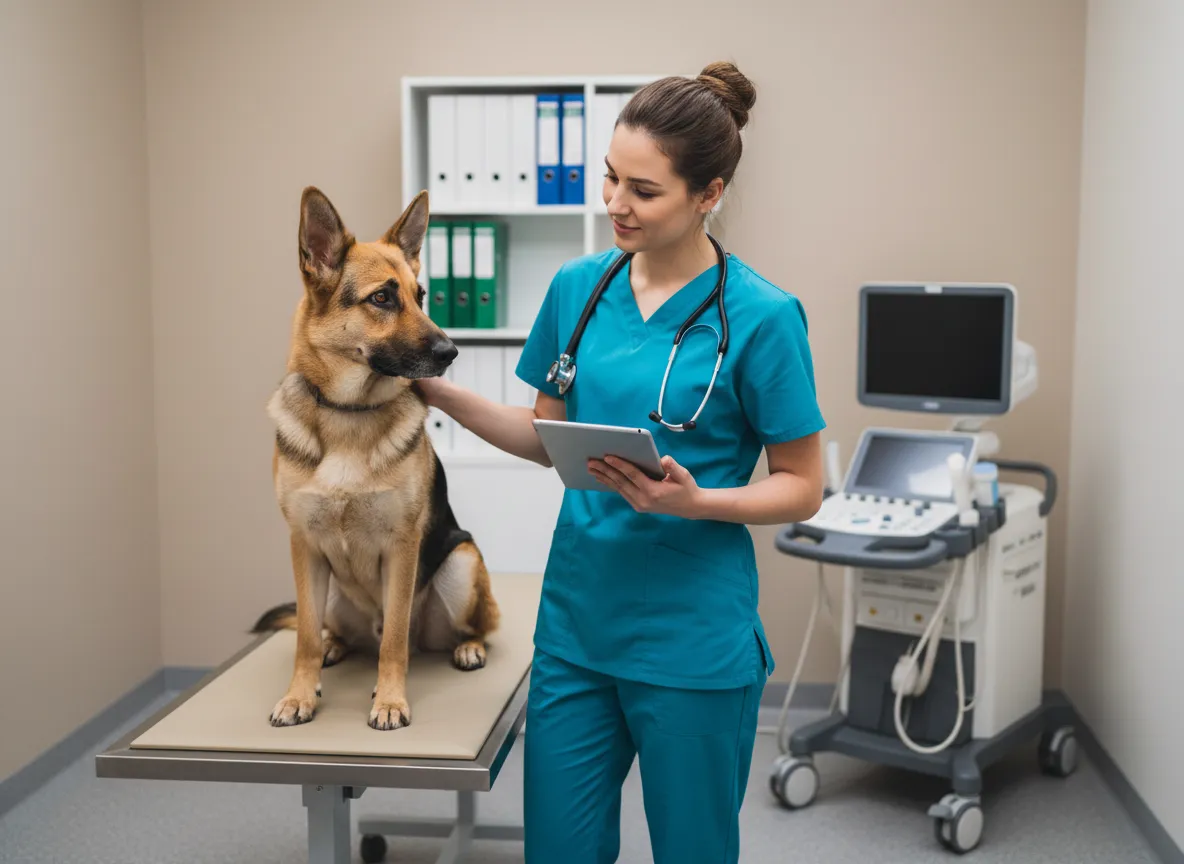
A Deeper Look at Canine Reproductive Health
For many dog owners, reproductive health is not a top-of-mind concern until an unexpected event occurs. Perhaps it's an unplanned pregnancy or a sudden illness in a female dog post-heat cycle. These situations can catch many off guard. Reproductive issues in dogs are more widespread than commonly believed and can affect any intact dog, not just those in breeding programs.
Understanding these conditions is vital, especially since some can escalate rapidly. Let's explore the most common reproductive challenges dog owners might face and how to address them.
Pyometra: A Silent Threat
One of the gravest reproductive emergencies in female dogs is pyometra, a bacterial infection of the uterus. This condition usually appears weeks after a heat cycle when hormonal shifts make the uterus more susceptible to infection. The infection can be either 'open' or 'closed'.
In the open form, there is a noticeable discharge from the vulva, providing an external warning sign. The closed form is more insidious, as the infection builds internally without any discharge, presenting symptoms like lethargy, loss of appetite, and a swollen abdomen. Immediate veterinary intervention is crucial as untreated pyometra can be fatal within days. Emergency surgery to remove the infected uterus is often required, along with antibiotics.
Dystocia: When Birth Becomes Complicated
Dystocia refers to difficult or obstructed labor, a risk in any dog pregnancy. It may occur due to factors like oversized puppies or wrong positioning, weak contractions, or specific breed characteristics. Brachycephalic breeds such as Bulldogs and Boxers are particularly prone to this condition.
Signs include prolonged straining, distress, and unusual discharge. Veterinary assistance is essential, and treatment can range from medication to stimulate labor to a cesarean section, depending on the severity.
Metritis: Post-Birth Infections
Metritis is another concern, occurring post-birth due to bacterial infection, often following a difficult delivery or retained placenta. Symptoms include fever, foul-smelling discharge, and lethargy. Prompt veterinary care with antibiotics is necessary to prevent severe complications.
Keeping Your Dog Healthy
Understanding and monitoring your dog's reproductive health is crucial. Here are some steps to ensure your pet stays healthy:
- Regular vet check-ups can help detect issues early and provide peace of mind.
- Be vigilant of any unusual symptoms, especially after a heat cycle or birth.
- Consider spaying or neutering if you're not planning to breed, reducing the risk of many reproductive issues.
For more detailed guidance on maintaining your dog's health, consider using our Dog Behavior Guide or exploring our Breeding Guide.
Practical Tips for Dog Owners
- Schedule regular veterinary visits to catch potential issues early.
- Educate yourself on your dog's breed-specific risks and behaviors.
- Monitor your dog's behaviors, especially during and after heat cycles.
For more information, consider consulting resources such as PetMD or the AKC.
Tips for Maintaining Canine Reproductive Health
Schedule regular vet visits.
Monitor for unusual symptoms after heat cycles.
Consider spaying or neutering.
Conclusion
Maintaining your dog's reproductive health requires awareness, vigilance, and proactive care. By understanding the risks and taking preventive measures, you ensure a healthier, happier life for your furry friend. Share your experiences and insights on reproductive health in our blog to help others in the community!


You might also like
Understanding Pit Bull Health: A Guide for Loving Owners
Jul 27, 2026
Discover common health issues in Pit Bulls and learn how to keep your furry friend healthy and happy.

Gentle Care for Your Dog's Eye Stye: Home Remedies and Tips
Jun 19, 2026
Discover how to care for your dog's eye stye at home with simple remedies, while knowing when to consult your vet.
How Climate Change Affects Dogs' Ability to Fight Diseases
May 3, 2026
Discover how climate change impacts dogs' immune systems and what this means for their health and wellbeing.
Comments
No comments yet. Be the first to comment!
Anbefalt Hundeopplæring


Vi kan motta en provisjon hvis du kjøper gjennom disse lenkene (uten ekstra kostnad for deg).