Understanding Dog Panting: When to Relax and When to Act
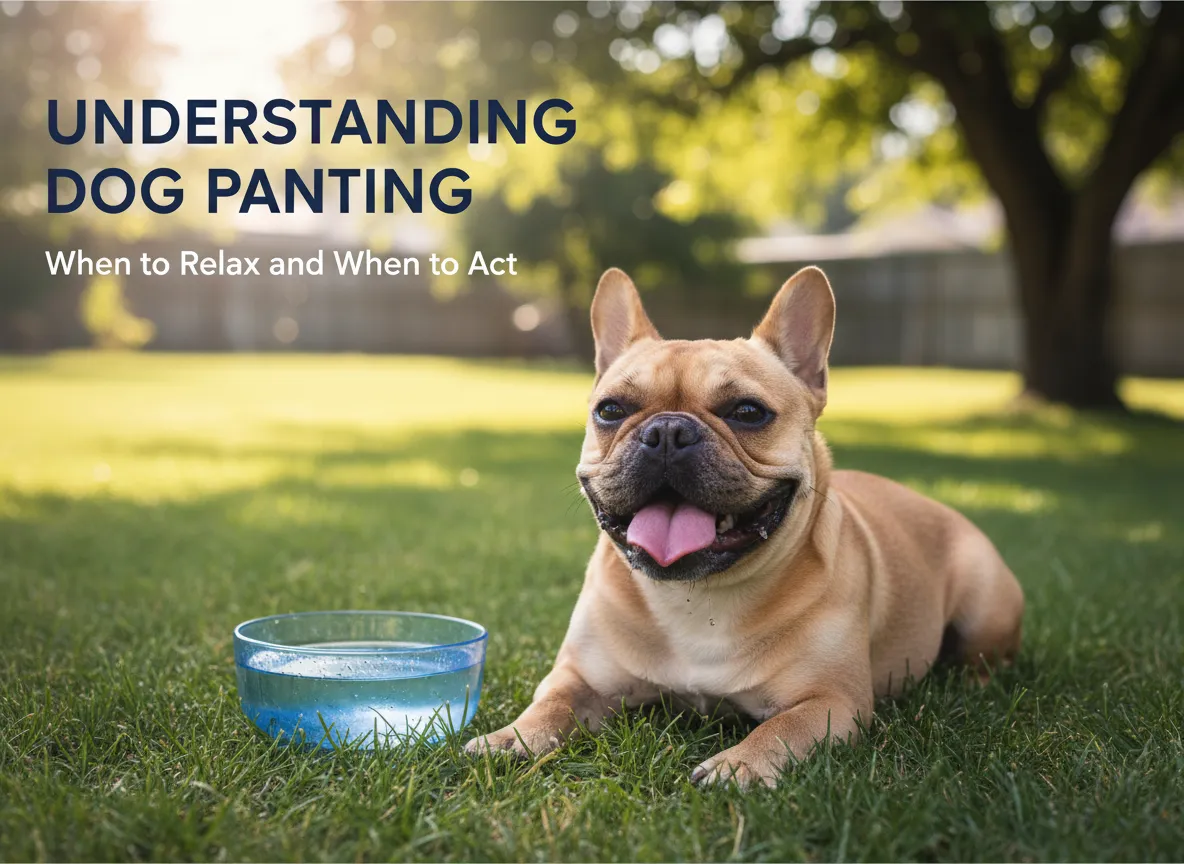
A Day in the Life of a Panting Pup
If you've ever returned from a brisk walk with your dog, only to see them flop down on the floor and pant as if they've just run a marathon, you're not alone. This scene is a familiar one for many dog owners. After a walk, it's expected. But what about those times when your canine companion is panting, even when they're just lounging around in a cool, quiet room?
Panting is a normal behavior in dogs, often a sign of them cooling down after exercise or excitement. But sometimes, excessive panting can be a clue that something more is happening underneath the surface.
Why Do Dogs Pant?
Dogs have a unique way of regulating their body temperature. Unlike humans, who can sweat through most of their skin, dogs rely on panting as their primary cooling mechanism. When a dog pants, air moves rapidly over the moist surfaces of their tongue and mouth, causing moisture to evaporate and heat to dissipate. This is their body's efficient way of staying cool, similar to a natural radiator.
But panting can also indicate other things, from excitement and stress to potential medical issues. It's important for dog owners to understand these different signals to ensure their pets are healthy and happy.
## Common Causes of Excessive Panting
- Heat and Exercise: After playing or exercising, dogs pant to cool down. It's their natural response to exertion.
- Stress and Anxiety: Dogs may pant more when they're nervous or stressed, such as during thunderstorms or fireworks.
- Pain or Discomfort: Sometimes panting can be a sign that your dog is in pain. It could be due to an injury or underlying health condition.
- Medical Conditions: Certain health issues, like heart disease or respiratory problems, can cause excessive panting.
- Medication Side Effects: Some medications can lead to increased panting as a side effect.
It's always useful to consult a Dog Behavior Guide and Training Guide for more insights into your dog's habits.
## How to Respond to Excessive Panting
While panting is often harmless, there are times when it warrants closer attention. Here's when you should be concerned:
- Persistent Panting: If your dog is panting heavily even when at rest, it might be time to check with your vet.
- Changes in Panting Patterns: Notice any sudden changes in how often or how intensely your dog pants? This could be a red flag.
- Additional Symptoms: If panting is accompanied by symptoms like coughing, lethargy, or vomiting, seek veterinary advice.
For an overview of potential toxic triggers, our Toxic Foods Checker can be a valuable resource.
Common Causes of Dog Panting
Practical Tips for Keeping Your Dog Comfortable
- Provide plenty of fresh water to keep your dog hydrated, especially in warm weather.
- Create a cool environment by ensuring your home is well-ventilated and offering shaded areas outdoors.
- Monitor your dog's activity levels and avoid strenuous exercise during the hottest parts of the day.
Tips to Keep Your Dog Cool
Ensure fresh water is always available.
Provide shaded areas in your yard.
Avoid exercise during the hottest part of the day.
Conclusion
Being attentive to your dog's panting patterns can help you catch potential health issues early, ensuring your furry friend stays healthy and comfortable. Share your experiences with us and learn more about enhancing your dog's quality of life on our blog.
For more detailed information, you can also explore resources from the American Kennel Club.
You might also like
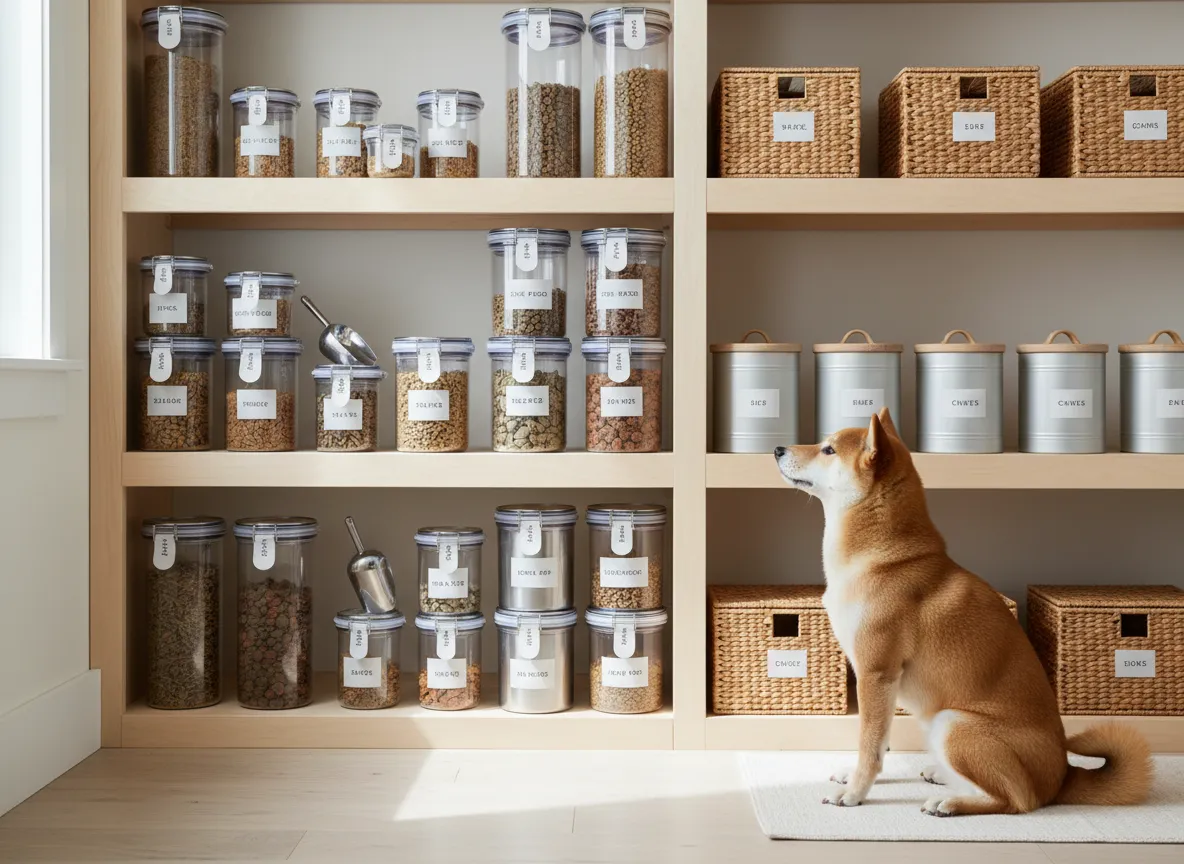
Top Tips for Storing Your Dog's Food Freshly and Securely
Aug 26, 2026
Discover the best ways to store your dog's food to maintain freshness and nutrition. Secure your pantry and keep pests away!
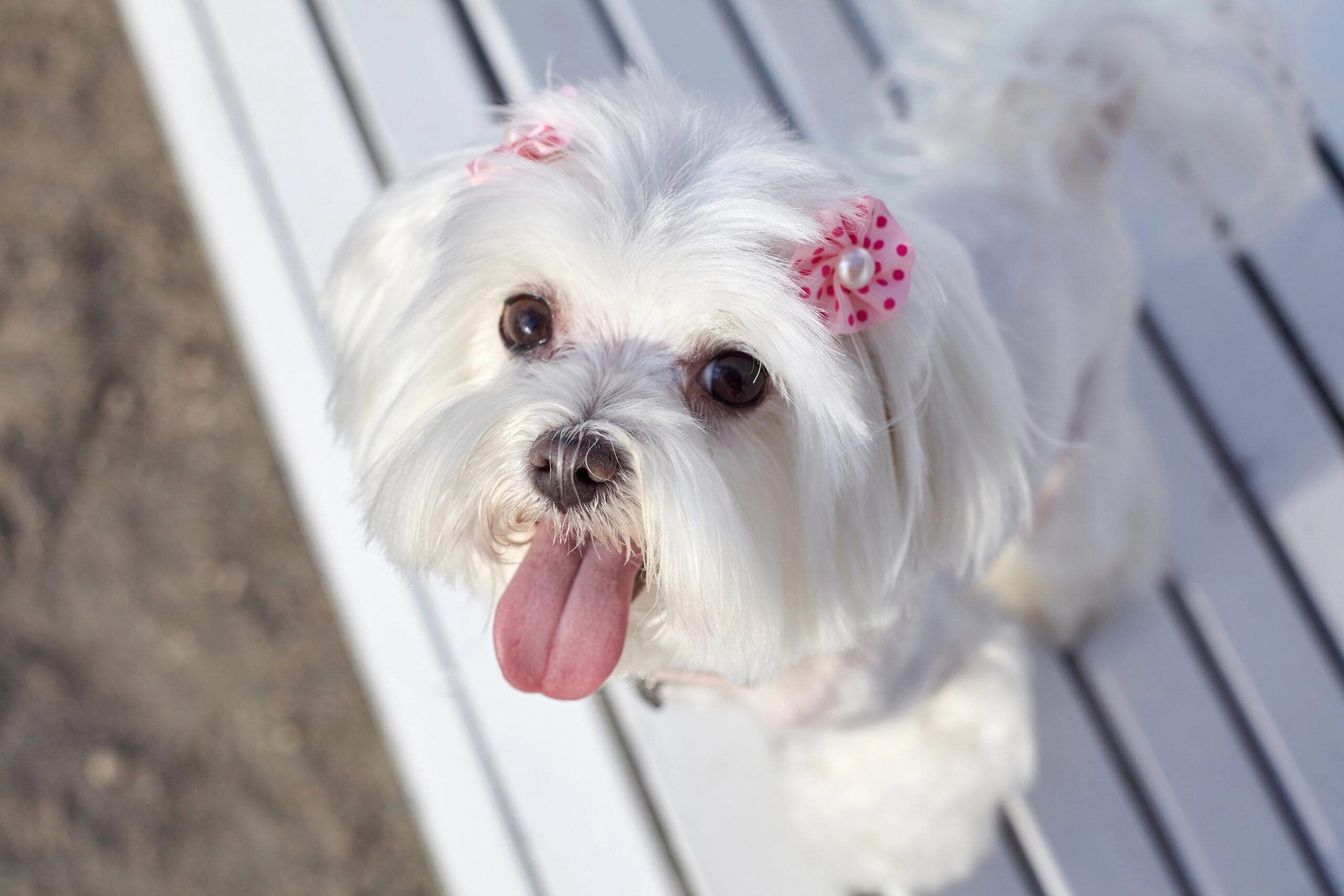
Caring for Your Maltese: Health Issues and Tips for a Long, Happy Life
Jul 26, 2026
Maltese dogs, with their charming personalities and silky coats, are prone to specific health issues. Discover how to keep them healthy.
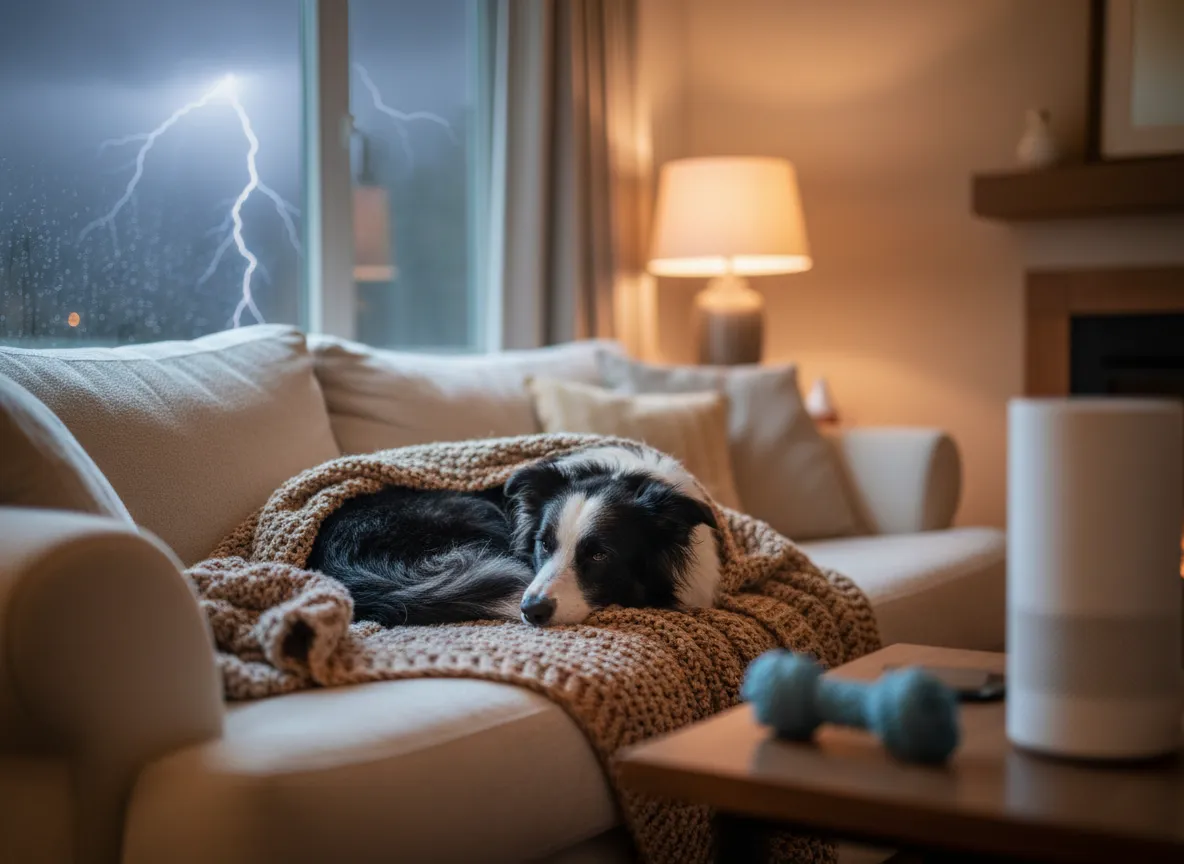
Easing Storm Anxiety in Dogs: Understanding and Helping Your Pet
Jul 20, 2026
Many dogs fear thunderstorms, but understanding the reasons and solutions can help ease their anxiety.
Comments
No comments yet. Be the first to comment!
Anbefalt Hundeopplæring


Vi kan motta en provisjon hvis du kjøper gjennom disse lenkene (uten ekstra kostnad for deg).