Understanding Restlessness in Dogs: A Sign of Pain?
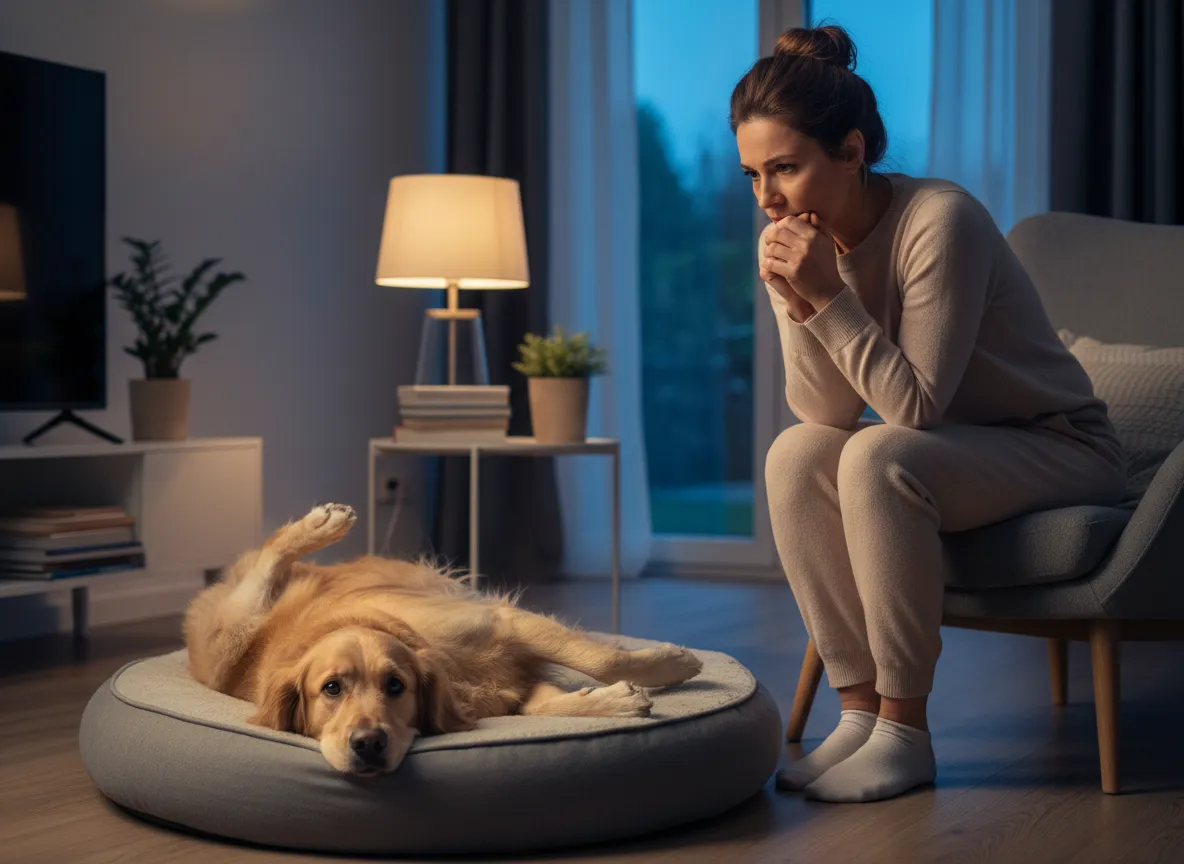
When Restlessness Speaks Volumes
Have you ever noticed your dog pacing around the house, unable to find a cozy spot to settle? It’s easy to dismiss this restlessness as boredom or a quirky habit. However, these behaviors might be your dog's way of telling you they're uncomfortable or in pain. Dogs, unfortunately, can't verbalize their discomfort, leaving us to decode their body language and behavioral changes.
Understanding the link between restlessness and pain can empower you to act promptly and alleviate your dog's discomfort, improving their quality of life.
Signs That Restlessness Could Indicate Pain
Dogs often mask their pain, but restlessness can be an early clue. If your pup is constantly shifting positions or struggling to relax, pain might be the culprit. Here are some potential pain-related causes of restlessness:
- Inability to Find Comfort: Joint or muscle pain can make it difficult for your dog to settle in one place. They might circle repeatedly, lie down only to get back up shortly after, or keep repositioning themselves.
- Increased Sensitivity: Inflammation from conditions like arthritis can make even a soft bed feel uncomfortable.
- Nervous System Effects: Persistent pain can alter how a dog's nervous system processes sensations, possibly making them more reactive or jumpy.
- Internal Discomfort: Abdominal, dental, or urinary pain may not have a clear focal point, causing your dog to appear uneasy or restless.
Recognizing Pain in Dogs
To better understand if your dog's restlessness is linked to pain, observe any changes in behavior, mobility, and daily habits. Using tools like our Dog Behavior Guide can be beneficial.
How to Help Your Restless Dog
If you suspect pain, seeking veterinary advice is crucial. A vet can offer a tailored plan to address your dog's specific needs. Here are some steps you can take:
- Comfortable Bedding: Ensure your dog has a supportive, comfortable place to rest. Orthopedic beds can help relieve pressure on painful joints.
- Regular Exercise: Gentle, regular exercise can aid in maintaining mobility and reducing stiffness. Explore our Training Guide for suitable activities.
- Monitor Diet: Proper nutrition can support overall health. Our Nutrition Planner can guide you in choosing the right diet.
Tips for Managing Dog Pain
Observe and record behavior changes.
Use pain relief as prescribed by your vet.
Create a calm and peaceful environment.
Practical Tips for Managing Dog Pain
- Observe and Record: Keep a journal of your dog's behavior changes and any pain indicators to discuss with your vet.
- Use Pain Relief as Prescribed: Follow your vet's recommendations for any medications or supplements.
- Create a Calm Environment: Minimize stressors and provide a peaceful space for your dog to relax.
Conclusion: Taking Action for Your Dog’s Comfort
Understanding the nuances of canine restlessness and its connection to pain can transform how you care for your furry friend. By recognizing the signs early and seeking professional guidance, you can ensure a more comfortable and happy life for your beloved pet. We invite you to explore more tips and advice over at our blog.
For more information on canine pain management, consider reading resources from reputable organizations like PetMD.
You might also like
The Happiest Dog Breeds: Smiles That Brighten Every Day
Jul 22, 2026
Discover the dog breeds known for their naturally joyful faces and learn how their personalities make them beloved companions.
Understanding Muscle Volume in Your Dog: The Role of CT Scans
Jun 22, 2026
Discover how CT scans measure your dog's muscle health and what this means for their well-being.
The Practical Guide to Male Dog Wraps for Incontinence
Jun 13, 2026
Learn how male dog wraps can help manage incontinence and inappropriate urination. Discover tips for measurement and care.
Comments
No comments yet. Be the first to comment!
Anbefalt Hundeopplæring


Vi kan motta en provisjon hvis du kjøper gjennom disse lenkene (uten ekstra kostnad for deg).