Understanding Why Older Dogs May Not Correct Puppies
Introduction
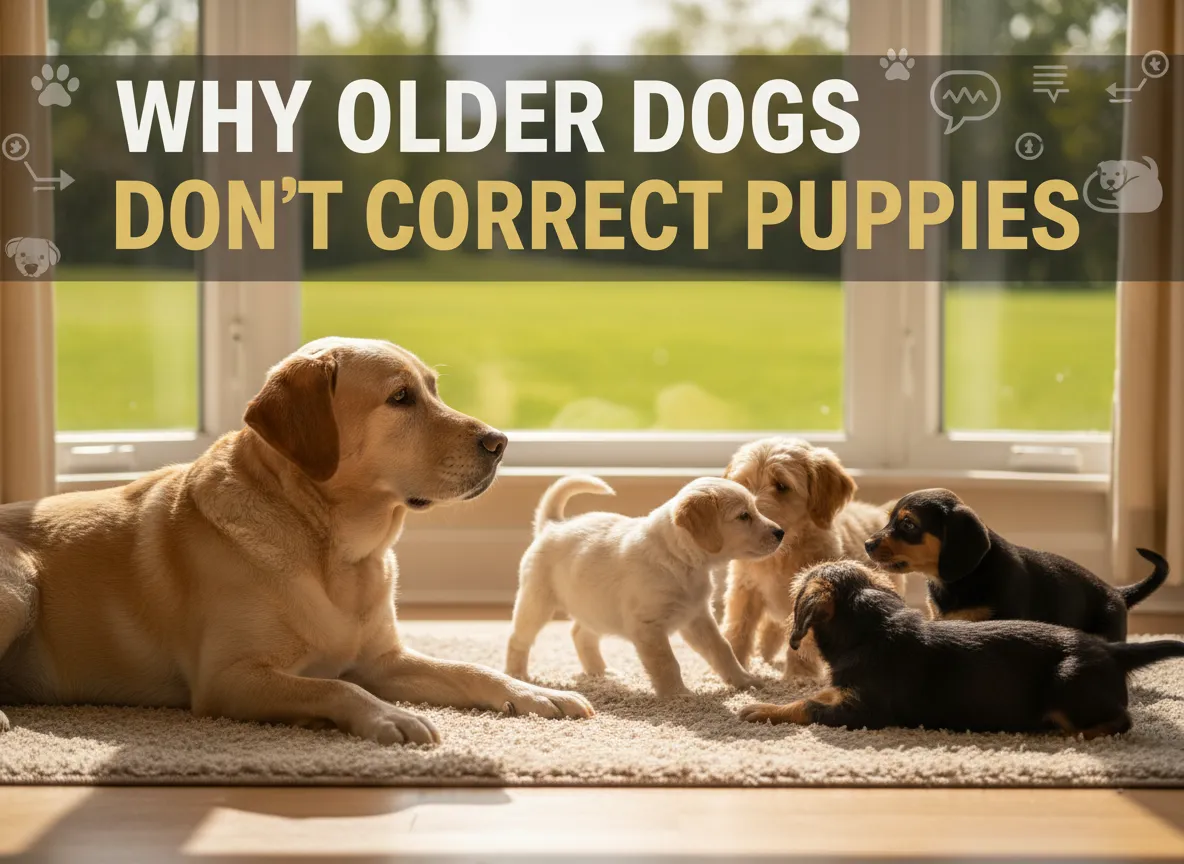
As dog owners, we often marvel at the way older dogs naturally guide and correct puppies, teaching them essential canine manners. However, some older dogs may seem to take a more lenient approach, allowing puppies to romp all over them without offering any corrections. If you've noticed this behavior in your own dogs, you're not alone! Understanding why this happens and how to facilitate positive interactions is key to maintaining a serene household.
In this article, we will delve into the reasons why some older dogs don't correct puppies, and provide you with actionable advice to encourage healthy dynamics between your canine companions.
Why Some Older Dogs Don't Correct Puppies
Personality Differences
Just like humans, each dog has its own unique personality. Some older dogs are naturally more patient and tolerant, preferring to walk away rather than engage in any form of confrontation. These dogs may see the puppy's antics as harmless and choose to avoid conflict entirely. This can be especially true if the older dog is naturally submissive or has a calm demeanor.
Previous Experiences
An older dog's history can influence its behavior towards puppies. If a dog has had negative experiences in the past—such as harsh corrections from other dogs or people—it might avoid giving corrections to avoid perceived conflict. Understanding your dog's background can provide insight into its current behavior.
Health Conditions
Older dogs might refrain from correcting a puppy due to health conditions. Arthritis, pain, or decreased mobility might make an older dog less inclined to engage in corrective behavior. It's important to monitor your older dog's health and consult with a vet if you suspect physical discomfort is influencing behavior.
Socialization and Training
A lack of socialization or training can lead some older dogs to not know how to appropriately correct a puppy. If an older dog hasn't spent much time around puppies, it might not be familiar with the social cues necessary to teach them. For guidance on training, consider using our Training Guide.
Encouraging Positive Interactions
To ensure your older dog and puppy have a harmonious relationship, it's beneficial to facilitate positive interactions actively. Here are some strategies:
Supervised Play
Spend time supervising play sessions between your older dog and puppy. Intervene if the play seems to become too rough or if the older dog appears stressed. This supervision helps prevent negative experiences and encourages positive interactions.
Older Dog vs Puppy Interactions
| Older Dog Traits | Puppy Traits | |
|---|---|---|
| Personality | Calm and passive | Energetic and curious |
| Previous Experiences | May avoid conflict | Inexperienced |
| Health and Mobility | Potentially limited | Highly active |
Teach Boundaries
You can teach your puppy boundaries through basic commands like "leave it" or "stay." Reinforcing these commands can help your puppy understand when to give the older dog space, creating a more respectful dynamic.
Encourage Rest
Ensure your older dog has plenty of opportunities to rest away from the puppy. This safe space allows the older dog to relax without being disturbed, which can help reduce any tension.
Positive Reinforcement
Reward both dogs for positive interactions. Treats, praise, or playtime can reinforce good behavior. Use our Daily Bonding Regimen to strengthen their relationship through structured activities.
Practical Tips for Owners
- Observe Body Language: Watch for signs of stress or discomfort in your older dog, such as yawning, lip licking, or turning away.
- Promote Socialization: Encourage interactions with other well-behaved dogs to boost confidence in the older dog.
- Ensure Health Management: Regular vet check-ups can prevent health issues from impacting behavior.
- Use Enrichment Toys: Offer toys that distract and engage the puppy, reducing their focus on the older dog.
When to See a Vet/Professional Advice
If you notice any aggressive behavior from your older dog or signs of stress (such as hiding or changes in eating habits), consult a veterinarian or a professional dog behaviorist. They can provide tailored advice and ensure that both dogs live harmoniously.
Conclusion
Understanding the dynamics between older dogs and puppies is crucial for a peaceful home. While some older dogs may choose not to correct puppies, facilitating a positive environment through proper supervision, training, and health management can help maintain balance. Remember, each dog is unique, so patience and understanding are key.
For more insights into dog behavior, check our Dog Behavior Guide and explore our blog for tips on all aspects of canine care.
You might also like
Understanding Regression in Your 8-Month-Old Puppy
Feb 5, 2026
Explore why your 8-month-old puppy may be regressing and discover practical tips to manage this phase effectively.
Why Dogs Patiently Wait for Their Humans
Aug 11, 2026
Discover why your dog is always at your side and learn the heartwarming reasons behind their loyal waiting.
6 Heartwarming Signs Your Dog Truly Trusts You
Aug 8, 2026
Discover the subtle signs that reveal your dog’s deep trust and learn how to nurture this precious bond.
Comments
No comments yet. Be the first to comment!
Anbefalt Hundeopplæring


Vi kan motta en provisjon hvis du kjøper gjennom disse lenkene (uten ekstra kostnad for deg).