Understanding Yard Requirements for Rescue Dogs
Introduction
Deciding to adopt a rescue dog is a commendable step. Not only are you providing a home for a dog in need, but you're also gaining a loyal companion. However, many potential adopters are surprised by the yard requirements set by rescue organizations. In urban areas like Seattle, where space is limited, meeting these requirements can be challenging.
In this article, we will explore why certain yard criteria exist for rescue dogs and provide practical advice on how to meet these needs, even with limited space. Understanding these requirements can help you create a safe and enriching environment for your new canine friend.
Why Yard Requirements Matter
Yard requirements are often stipulated to ensure that a dog has sufficient space to exercise and play, which is essential for their physical and mental well-being. Dogs need regular physical activity to stay healthy, which helps prevent obesity and associated health issues. Additionally, a safe outdoor area allows dogs to explore and engage in natural behaviors.
Some rescue organizations impose these requirements based on their experience with specific dogs who may have higher energy levels or a tendency to wander. While these requirements can be daunting for urban dwellers, they are intended to ensure a harmonious home life for both the dog and the owner.
How to Adapt Your Space
Maximizing Indoor Space
If a yard is not an option, consider how you can adapt your indoor living space to suit a dog’s needs. Rearrange furniture to create open areas for play and exercise. Use hallways for fetch games or implement agility training around the home for both fun and fitness.
Community Resources
Take advantage of local dog parks and walking trails. Many cities have designated areas where dogs can run freely off-leash and socialize with other dogs. Regular visits to these parks can replace the need for a personal yard.
Ways to Adapt for a Dog Without a Yard
Utilize local dog parks for exercise and socialization.
Create an indoor play area by rearranging furniture.
Incorporate daily mental stimulation with interactive toys.
Schedule multiple daily walks to meet exercise needs.
Creating a Mini Yard
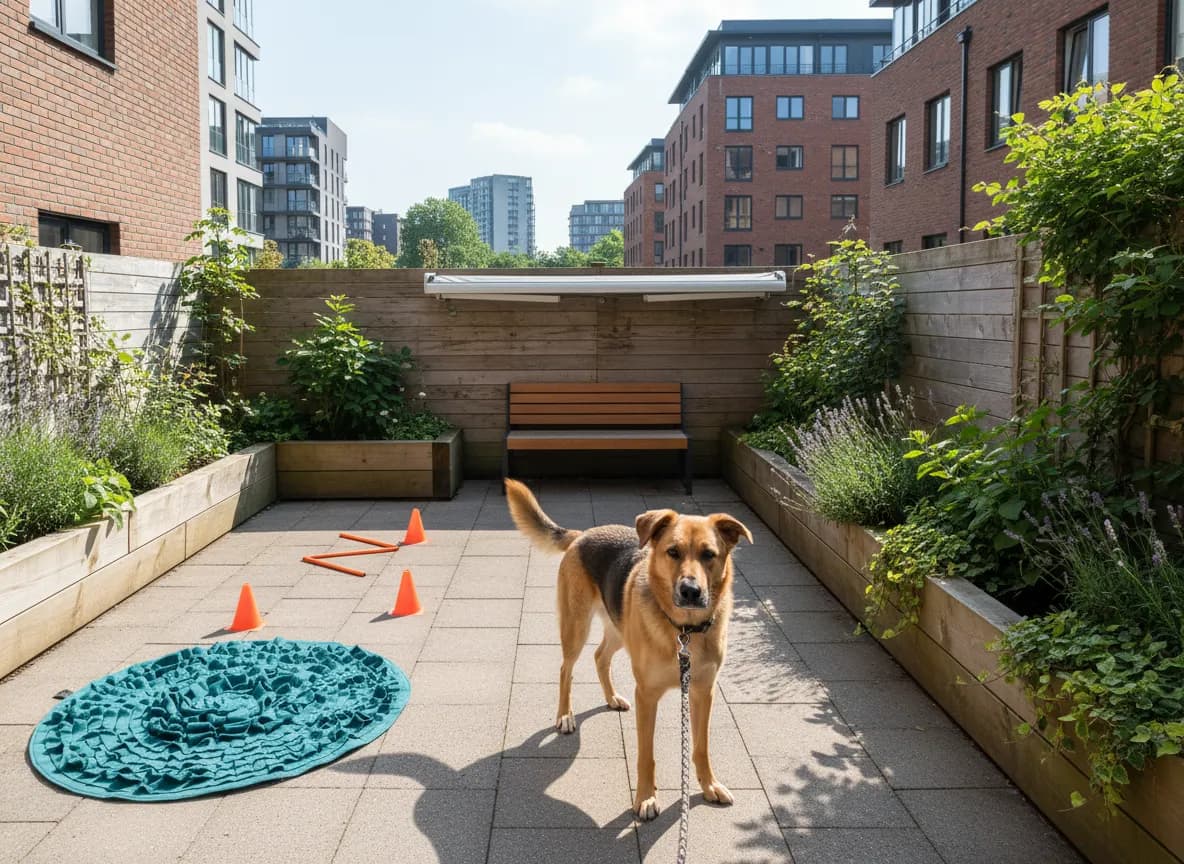
For those with even a small bit of outdoor space, consider setting up a mini yard. Use portable fencing to create a safe area for your dog. Add elements like grass patches or sandbox areas for digging, which can stimulate your dog's natural instincts in a controlled environment.
Practical Tips
- Schedule Regular Walks: Commit to multiple walks each day to ensure your dog gets enough exercise.
- Engage in Mental Stimulation: Use puzzle toys and training exercises to keep your dog mentally engaged.
- Rotate Toys: Keep your dog’s environment enriching by regularly rotating toys to maintain their interest.
- Visit Dog Parks: Plan regular trips to dog parks for socialization and exercise.
When to Seek Professional Advice
If you find the yard requirements overwhelming or are unsure how to adapt your living situation, consider consulting a professional trainer or a behaviorist. They can offer tailored advice and strategies for integrating a dog into your home.
Conclusion
While yard requirements for rescue dogs can seem restrictive, they don't have to be a deal-breaker. With creativity and commitment, you can provide a loving and suitable home environment even without a large yard. Remember to utilize available resources and seek professional help if needed. By preparing adequately, you ensure a happy home for you and your new furry friend.
For more tips on adapting your home for a rescue dog, check out our Training Guide and Dog Behavior Guide. Additionally, use our Lifestyle Matcher to see how a rescue dog fits into your daily routine.
Explore more about adopting rescue dogs on ASPCA and understand local regulations on pet ownership in your area.
You might also like

How to Show Your Dog Love and Build a Stronger Bond
Apr 11, 2026
Discover effective ways to show your dog love and strengthen your bond, especially with rescued or older dogs.

Herding Dogs in City Apartments: Practical Tips for a Happy Life
Feb 26, 2026
Living with herding dogs in a city apartment is possible with the right strategies. Discover how to keep your dog happy and healthy.

Adoption Blues? How to Bond with Your New Dog Successfully
Feb 12, 2026
Struggling to connect with your new dog? Discover practical ways to build a strong bond and make your pet feel at home.
Comments
No comments yet. Be the first to comment!
Anbefalt Hundeopplæring


Vi kan motta en provisjon hvis du kjøper gjennom disse lenkene (uten ekstra kostnad for deg).