Understanding Your Dog's Sudden Change in Attachment
Introduction
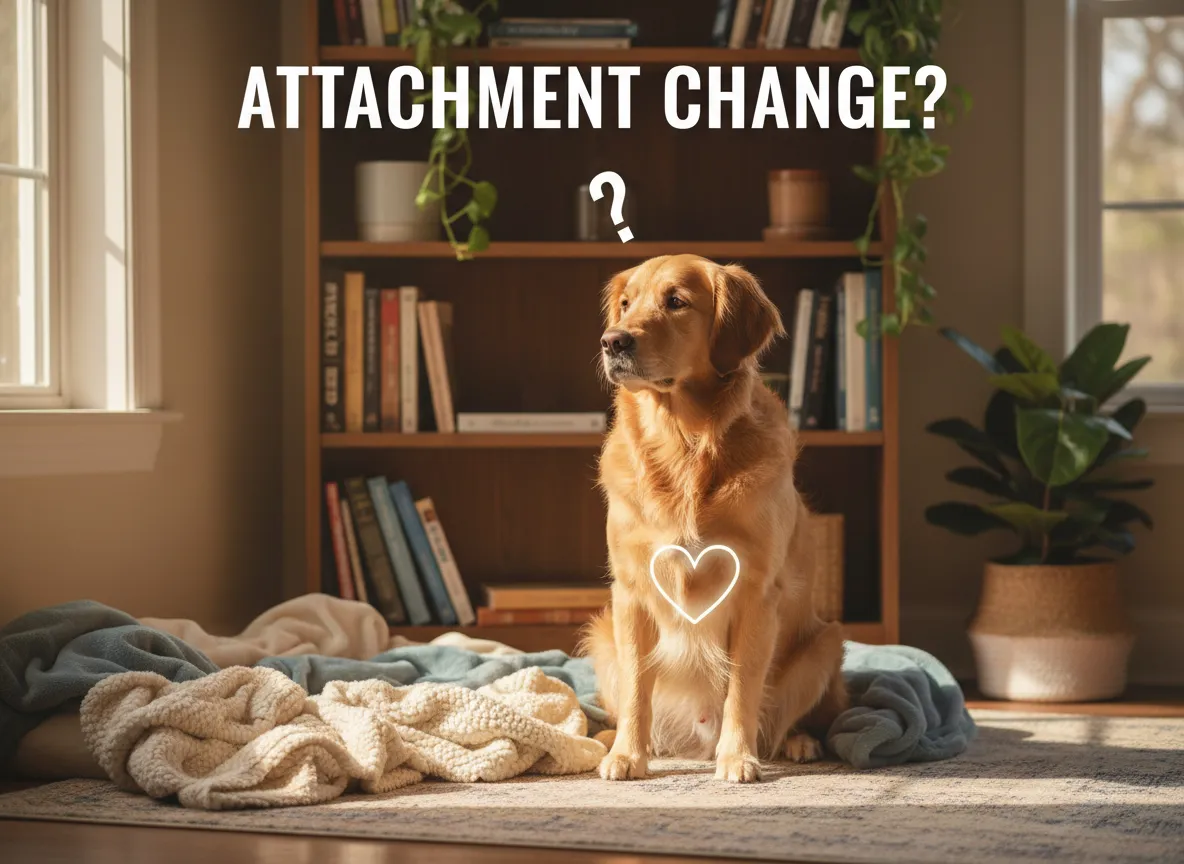
For many dog owners, our furry friends are more than just pets—they're family. So, when your dog suddenly shifts its attachment from you to another family member, it can feel confusing and even hurtful. Understanding the reasons behind this change is crucial for maintaining a harmonious household for both humans and pets.
This article will explore why your dog might suddenly become attached to someone else, such as a family member like your mother, and offer practical ways to address this behavior.
Why Dogs Change Their Attachment
Natural Pack Behavior
Dogs are social animals and often form attachments based on a pack structure. In your home, each family member represents part of this pack. Changes in attachment can be a natural part of your dog's social environment. Your dog might be responding to subtle changes in the pack dynamic that are not immediately obvious to you.
Changes in Routine or Environment
Even small changes in the home environment or daily routines can impact your dog's behavior. For example, if your mother has been spending more time with your dog or engaging in activities like walking or feeding, this could lead to a shift in attachment. Dogs thrive on routine, and any change—no matter how minor—can lead to a realignment of their social connections.
The Influence of Stress or Anxiety
Dogs are highly sensitive to human emotions. If you or another family member is experiencing stress or significant life changes, your dog may pick up on this and seek comfort from the person who seems less stressed or more comforting at that time.
Addressing the Change in Attachment
Reestablishing Bonding Time
To regain your dog's affection, start by spending quality time together. Use our Daily Bonding Regimen to create structured bonding activities, such as playtime or grooming sessions, which reinforce your special connection.
Consistent Training and Commands
Consistency is key in any dog training effort. Make use of our Training Guide to reinforce positive behaviors. Encourage obedience and bonding through consistent commands and rewards, ensuring your dog associates you with guidance and care.
Enhancing Your Role in Routine Activities
Take an active role in feeding, walking, and other daily activities to strengthen your bond. Feeding your dog or taking them on walks can help remind them of your place in their daily life.
Understanding Emotional Needs
Use our Dog Behavior Guide to better understand your dog’s emotional needs. Look for signs of stress or discomfort that might be influencing their attachment and address these with patience and care.
Practical Tips
- Dedicated Playtime: Spend at least 15 minutes a day playing or training with your dog.
- Consistent Feeding Duties: Be the primary person responsible for feeding your dog.
- Calm Environment: Ensure your home is a stress-free zone with plenty of quiet spaces for your dog.
- Routine Walks: Establish a routine for walks that only you perform.
When to See a Vet
If your dog’s change in attachment coincides with signs of anxiety, such as excessive barking, destructive behavior, or changes in appetite, consider consulting a veterinarian. Such behaviors may indicate underlying health issues or emotional distress.
Practical Tips for Reestablishing Connection
Spend at least 15 minutes daily on dedicated play or training.
Be the primary person responsible for feeding your dog.
Ensure your home is a stress-free zone with quiet spaces.
Establish a routine for walks that only you perform.
Conclusion
A shift in your dog’s attachment doesn’t mean you’ve lost their affection. With understanding and proactive steps, you can reestablish your unique bond. Utilize resources like the Dog Age Calculator to consider your dog's life stage in your bonding efforts. Remember, patience and consistency are crucial.
Explore more helpful articles and tools on our blog to further improve your relationship with your furry friend.
You might also like
Adoption Blues? How to Bond with Your New Dog Successfully
Feb 12, 2026
Struggling to connect with your new dog? Discover practical ways to build a strong bond and make your pet feel at home.
Why Won't My Dog Settle on the Sofa with Me?
Feb 1, 2026
Discover why your dog won't settle on the sofa and how to create a cozy environment for relaxing together.
The Happiest Dog Breeds: Smiles That Brighten Every Day
Jul 22, 2026
Discover the dog breeds known for their naturally joyful faces and learn how their personalities make them beloved companions.
Comments
No comments yet. Be the first to comment!
Anbefalt Hundeopplæring


Vi kan motta en provisjon hvis du kjøper gjennom disse lenkene (uten ekstra kostnad for deg).