Unveiling the Ancient History of Our Furry Friends
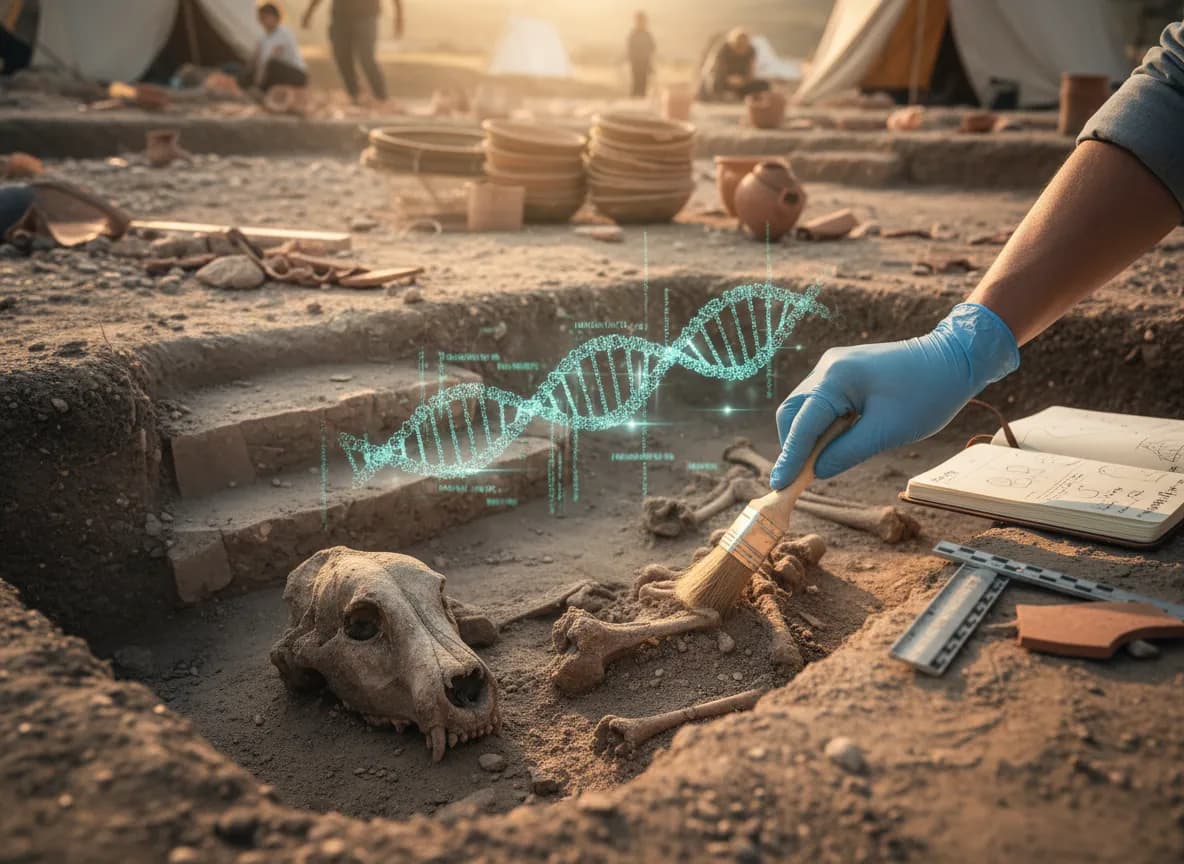
Bringing the Past to Life with Ancient Dogs
Imagine walking the trails of ancient Turkey or the UK over 14,000 years ago, not alone but accompanied by a loyal canine friend. Yes, our bond with dogs stretches back further than many of us realize. Recent discoveries have brought to light the presence of domesticated dogs from these ancient times, offering a new perspective on the history of our beloved companions.
Key Findings
15,800 years
Oldest Confirmed Dog Remains
Discovered in Turkey, these are the earliest known remains of domesticated dogs.
14,300 years
European Distribution
Dog remains found in the UK show early distribution across Europe.
The Research
A team led by Lachie Scarsbrook at the University of Oxford has uncovered significant genetic evidence that pushes the age of the oldest known dogs further back in time than previously thought. The remains discovered at the Pınarbaşı site in Turkey date back 15,800 years, marking them as the earliest confirmed domesticated dogs.
The study, published in New Scientist, confirms these dogs were genetically distinct from wolves, bearing close resemblance to modern dogs. This discovery suggests that dogs were not only companions but integral to the lives of hunter-gatherers across Europe as early as 14,300 years ago, evidenced by remains found in Gough’s cave in Somerset, UK.
What This Means for Dog Owners
Understanding the deep roots of our relationship with dogs enriches our appreciation for these amazing animals. It highlights the evolutionary journey from wild wolves to the diverse breeds we cherish today. This genetic history can provide insights into the behaviors and needs of our modern pets, reinforcing the importance of tailored care and companionship.
For dog owners, this research underscores the role dogs have played in human life for millennia, from aiding in hunting to providing companionship. This long-standing relationship emphasizes the importance of maintaining a nurturing environment for our dogs, considering their deep-seated instincts and needs.
Practical Takeaways
- Explore Ancestry: Consider using our Breeding Guide to learn more about your dog's genetic background.
- Enhance Care: Use our Nutrition Planner to ensure your dog's diet meets their ancestral needs.
- Understand Behavior: Dive into our Dog Behavior Guide to better understand your dog's actions and instincts.
Distribution of Ancient Dog Remains
A Note on the Evidence
While these findings are groundbreaking, it's important to note that they rely on genetic evidence from a limited number of archaeological sites. More research is needed to explore other regions and times to paint a fuller picture of canine domestication.
Closing
Our understanding of dogs' history is continually evolving, revealing the depth of our connection with these loyal companions. Share your thoughts and stories with us on our blog, and let's continue to celebrate the incredible journey of our furry friends.
You might also like
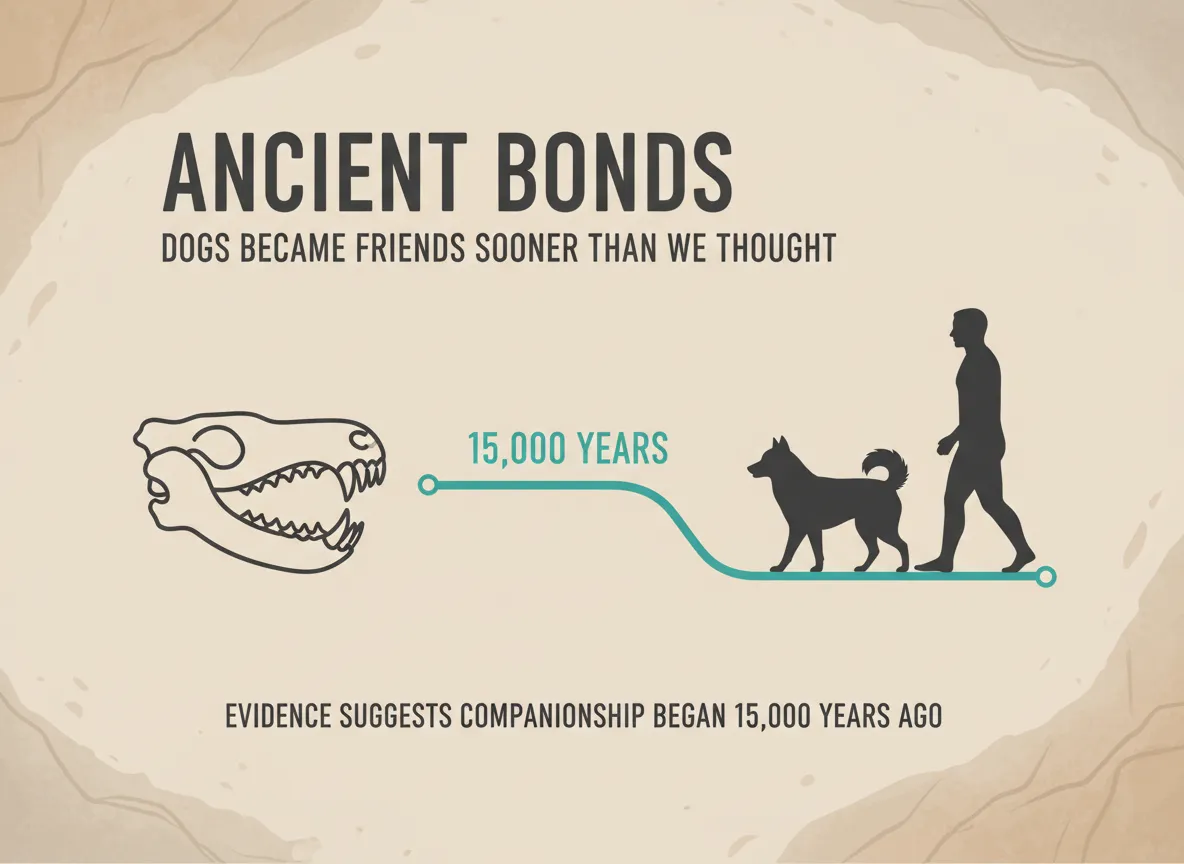
Ancient Bonds: Dogs Became Friends Sooner Than We Thought
Mar 30, 2026
A jawbone discovery reveals dogs and humans were companions 15,000 years ago, reshaping our understanding of early domestication.
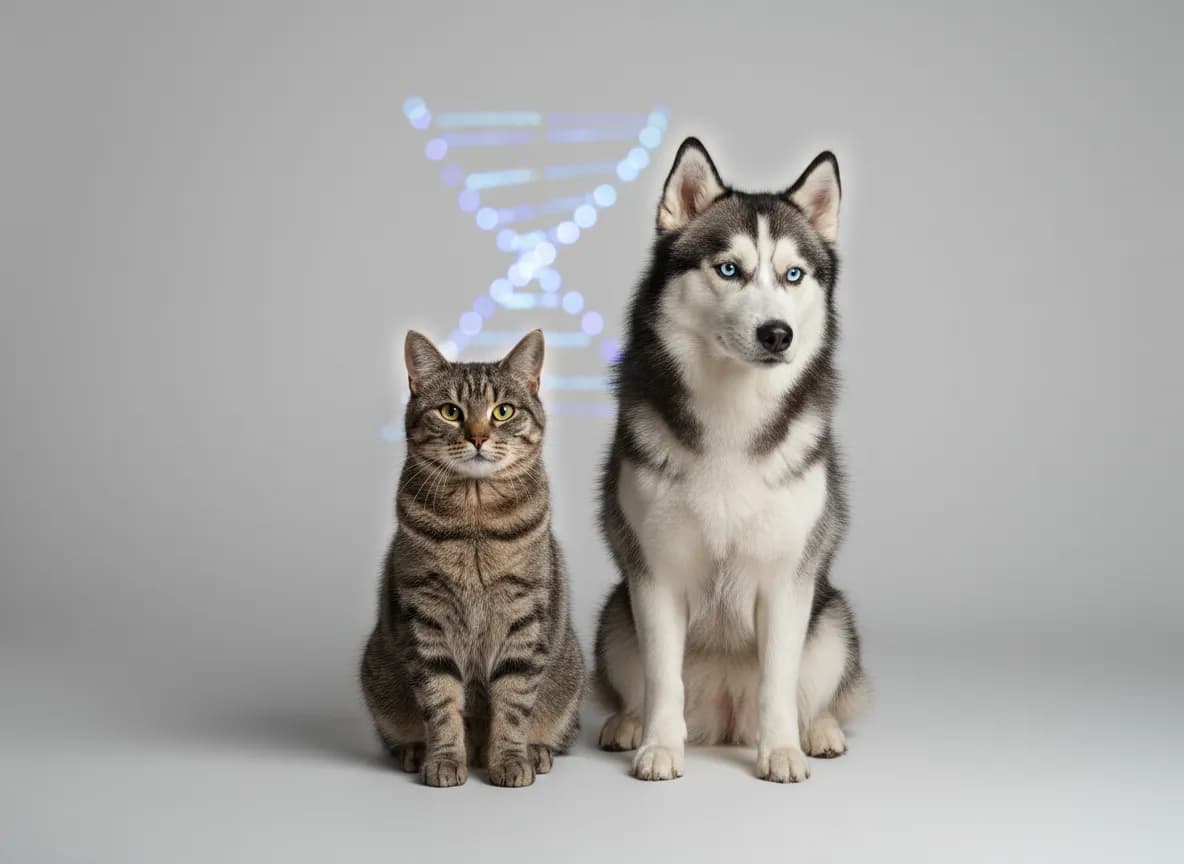
Are Humans Closer to Cats or Dogs? An Evolutionary Perspective
May 14, 2026
Explore the evolutionary ties between humans, cats, and dogs. Find out why we're equally related to both.

Ancient Wolves and Human Voyages: A Surprising Island Tale
Feb 8, 2026
Discover how ancient wolves ended up on a Baltic island through human intervention and what this means for our understanding of early human-wolf relationships.
Comments
No comments yet. Be the first to comment!
Anbefalt Hundeopplæring


Vi kan motta en provisjon hvis du kjøper gjennom disse lenkene (uten ekstra kostnad for deg).