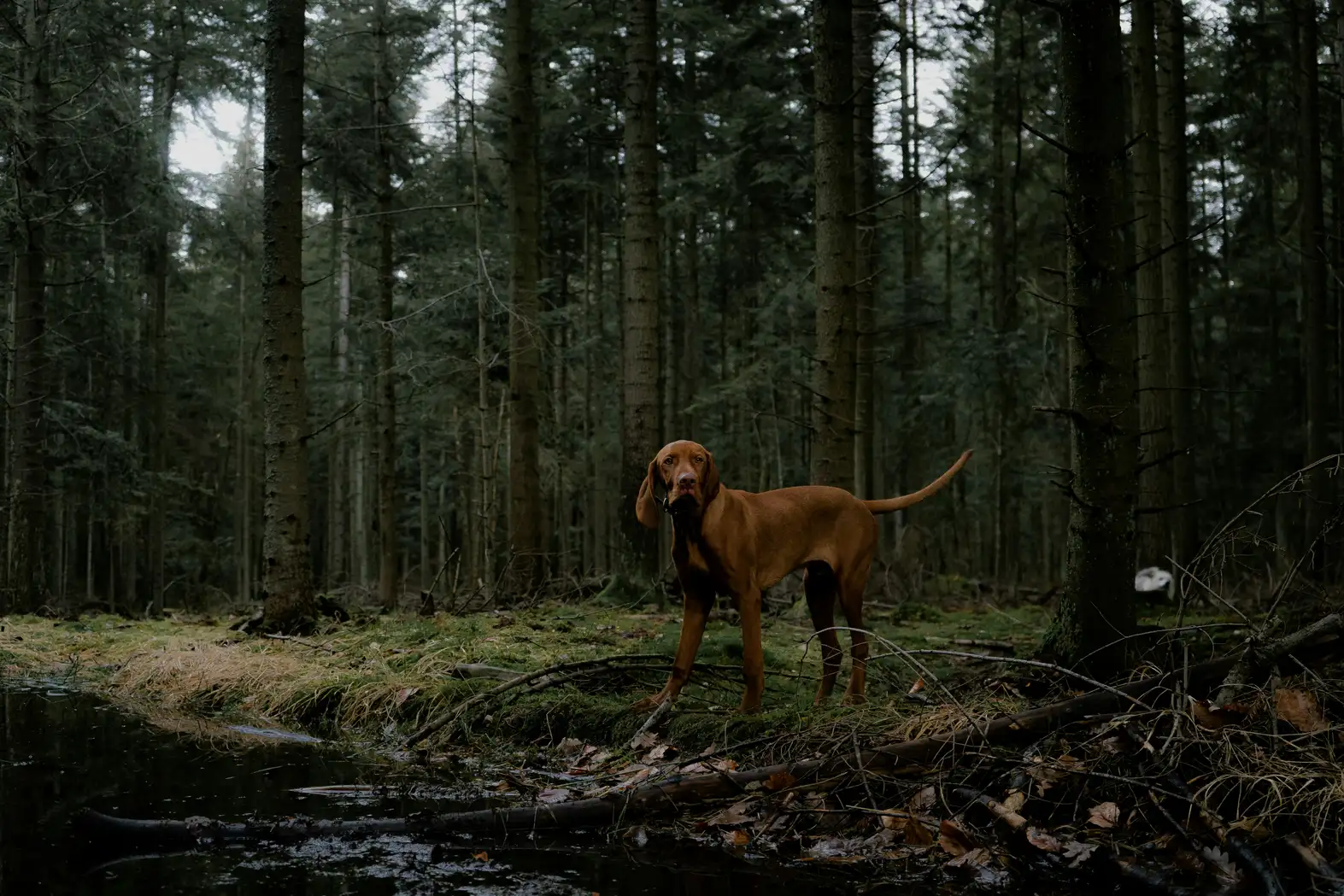
What To Do If Your Dog Is Lost in the Forest
Introduction
Losing your dog in the forest can be a distressing experience, filled with worry and anxiety. Dogs are naturally curious creatures and sometimes their adventurous spirit can lead them to follow scents or animals, straying away from familiar paths. If you've found yourself in this nerve-wracking situation, it's crucial to stay calm and act swiftly. Here, we provide practical advice to help you navigate this tough time and increase the chances of reuniting with your furry friend.
While it might be frightening, remember that dogs have strong survival instincts and are often more resilient than we give them credit for. With the right approach and tools, you can maximize your efforts to bring your dog back home safely.
Immediate Steps to Take
Stay Calm and Retrace Your Steps
The first step is to remain calm, as difficult as it may be. Panic can cloud judgment, making it harder to think clearly. Start by retracing your steps from where you last saw your dog. Call their name loudly and clearly, and listen carefully for any signs of movement or barking.
Use Familiar Sounds and Scents
Dogs respond well to familiar sounds and scents. Use a whistle, or shake a box of treats if you have them. If possible, leave an item of clothing with your scent at the place you last saw your dog. This can help guide them back to you if they return to that spot.
Inform and Involve Others
The more eyes on the ground, the better. Inform neighbors, local dog walkers, and anyone else in the area about your missing dog. Consider posting on local social media groups or apps dedicated to missing pets. The broader the search net, the higher the chances of finding your dog quickly.
Utilizing Technology and Tools
Quick Tips for Finding a Lost Dog
Retrace your steps and call your dog's name loudly.
Use familiar scents like your clothing to guide them back.
Involve neighbors and use social media for wider search.
Set up a home base with food and water.
Leverage GPS and Microchipping
If your dog is microchipped, contact the microchip company to ensure your contact information is accurate. Some dogs wear GPS collars, which can significantly aid in locating them. If your dog has one, check the app associated with the collar for any signals or location pings.
Explore Our Tools
Make use of helpful resources like our Dog Behavior Guide to understand how your dog might react in this situation. This can provide insight into potential hiding spots or behaviors they might exhibit.
Practical Tips
- Establish a Home Base: Return to the last known location frequently and make it a base for your search efforts. Leave food, water, and their favorite toys there.
- Flyers and Posters: Put up flyers with a clear picture of your dog, your contact information, and any distinctive traits they might have.
- Check Local Shelters: Contact local animal shelters and veterinarians. Provide them with details about your dog so they can alert you if any similar dog is found.
When to Seek Professional Help
If your search has not yielded results after a day or two, consider hiring a professional pet detective or search dog team. These experts are trained in tracking and may significantly increase your chances of success.
Conclusion
Finding a lost dog in the forest requires a blend of calmness, strategy, and resources. By following these steps, you can amplify your efforts and hopefully reunite with your dog soon. Remember to check out our Daily Bonding Regimen to strengthen your connection with your dog once they return home. Keep faith and continue your efforts; your furry friend is counting on you.
You might also like
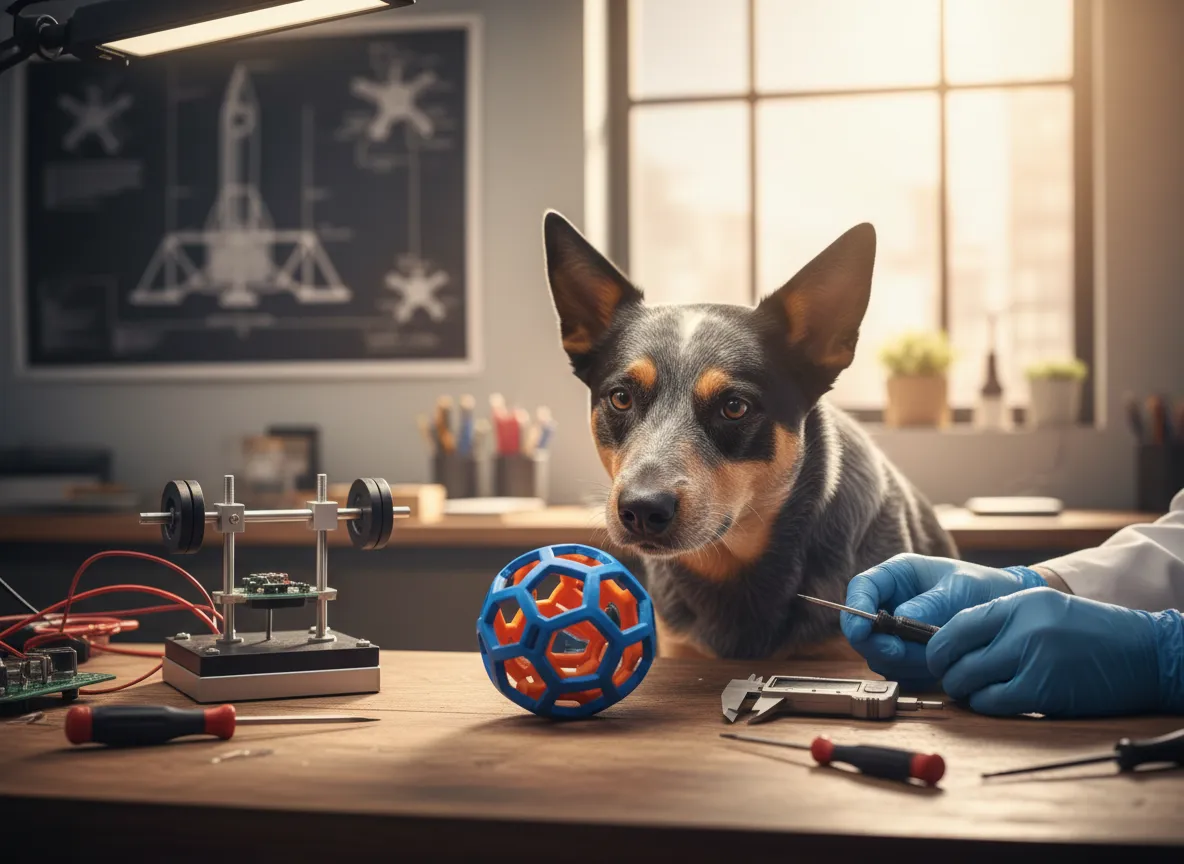
From Space Rockets to Dog Toys: A Scientist's Journey of Innovation
Aug 22, 2026
Discover how a NASA scientist's passion for dogs led to the creation of a safer, innovative dog toy.
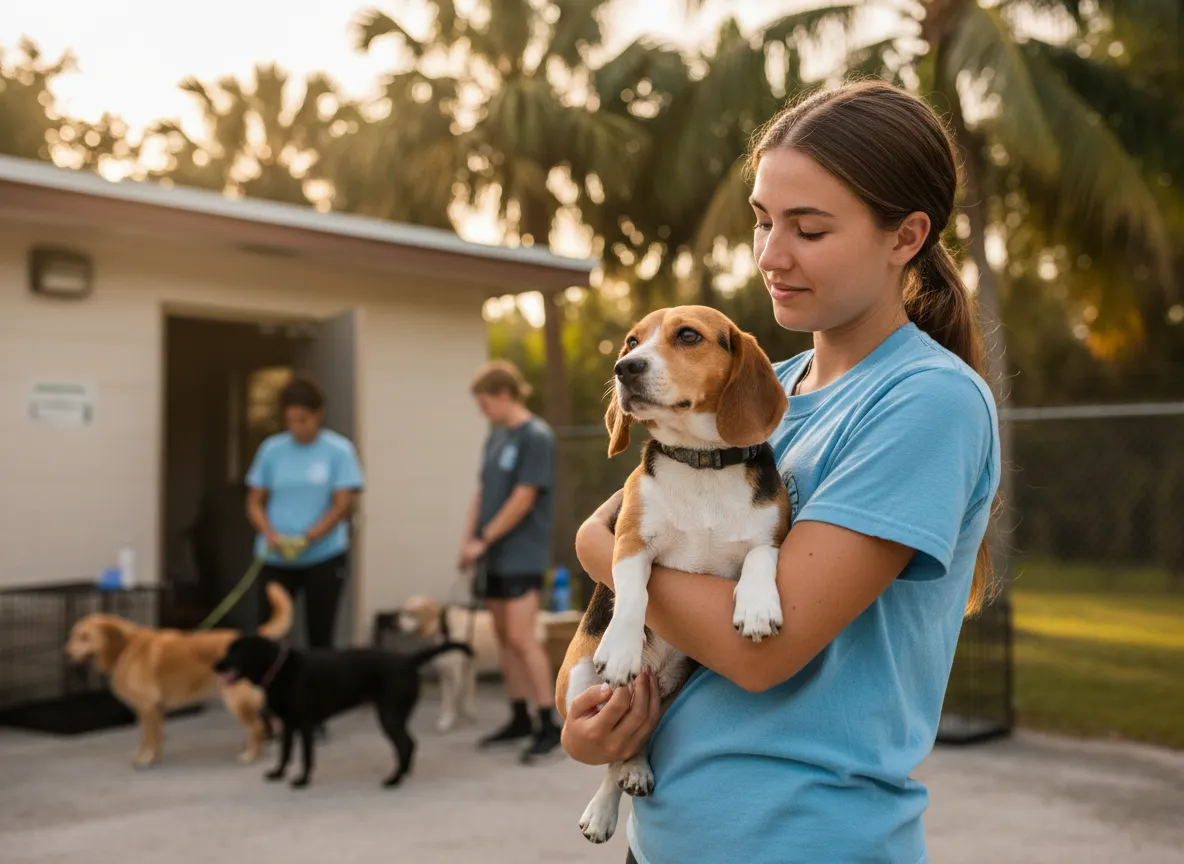
Community Rally Saves 74 Dogs: A Heartfelt Rescue in Florida
Jul 23, 2026
A Florida rescue mission saves 74 dogs, showcasing the power of community and compassion in animal welfare.
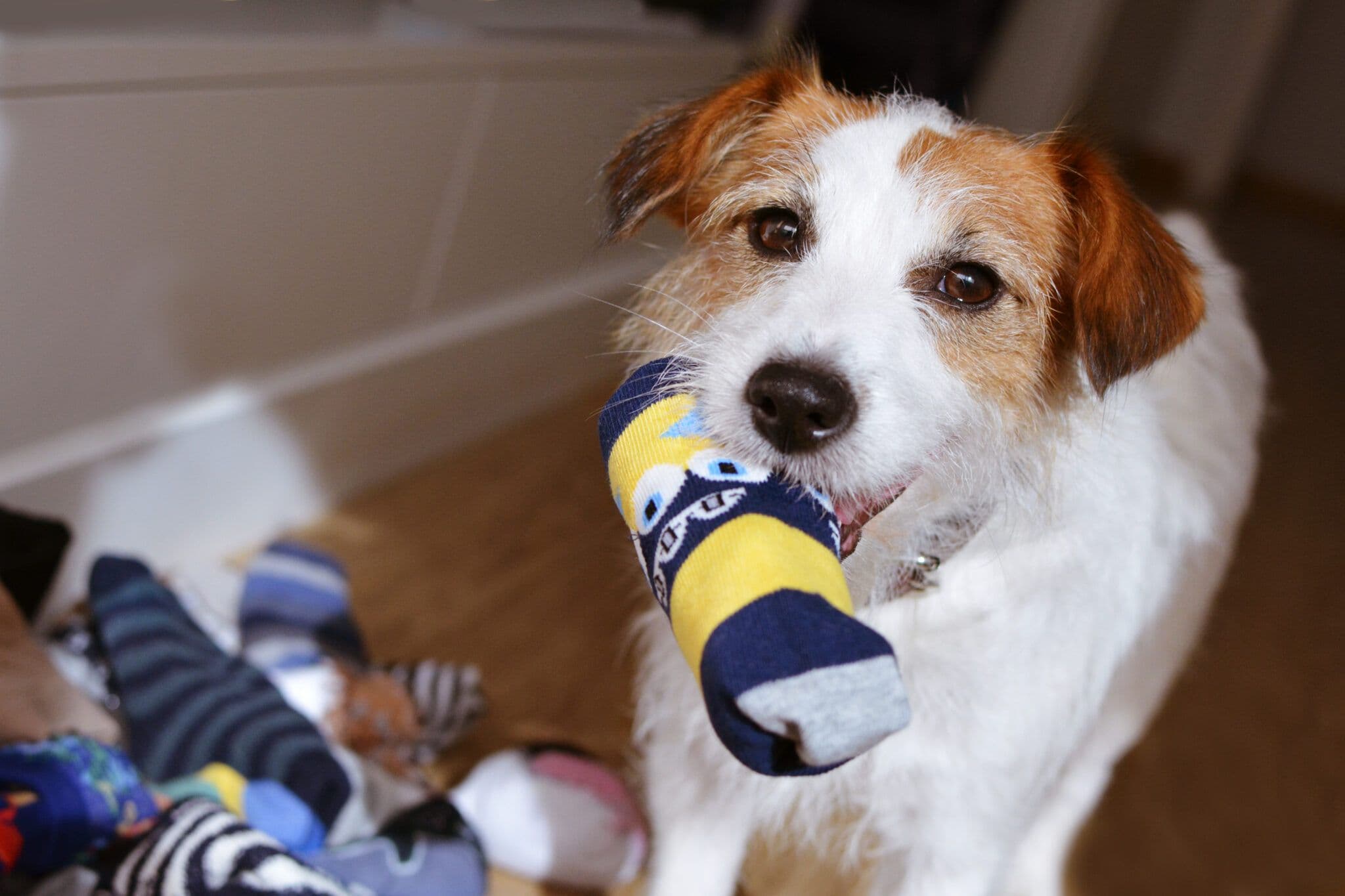
Crafting Joy: Make Your Own Dog Toys at Home
Jun 27, 2026
Discover how to create fun, safe DIY dog toys that cater to your pet’s unique play style, using household items and a bit of creativity.
Comments
No comments yet. Be the first to comment!
Anbefalt Hundeopplæring


Vi kan motta en provisjon hvis du kjøper gjennom disse lenkene (uten ekstra kostnad for deg).