Why Dogs Turn Mealtime Into Playtime: Understanding the Behavior
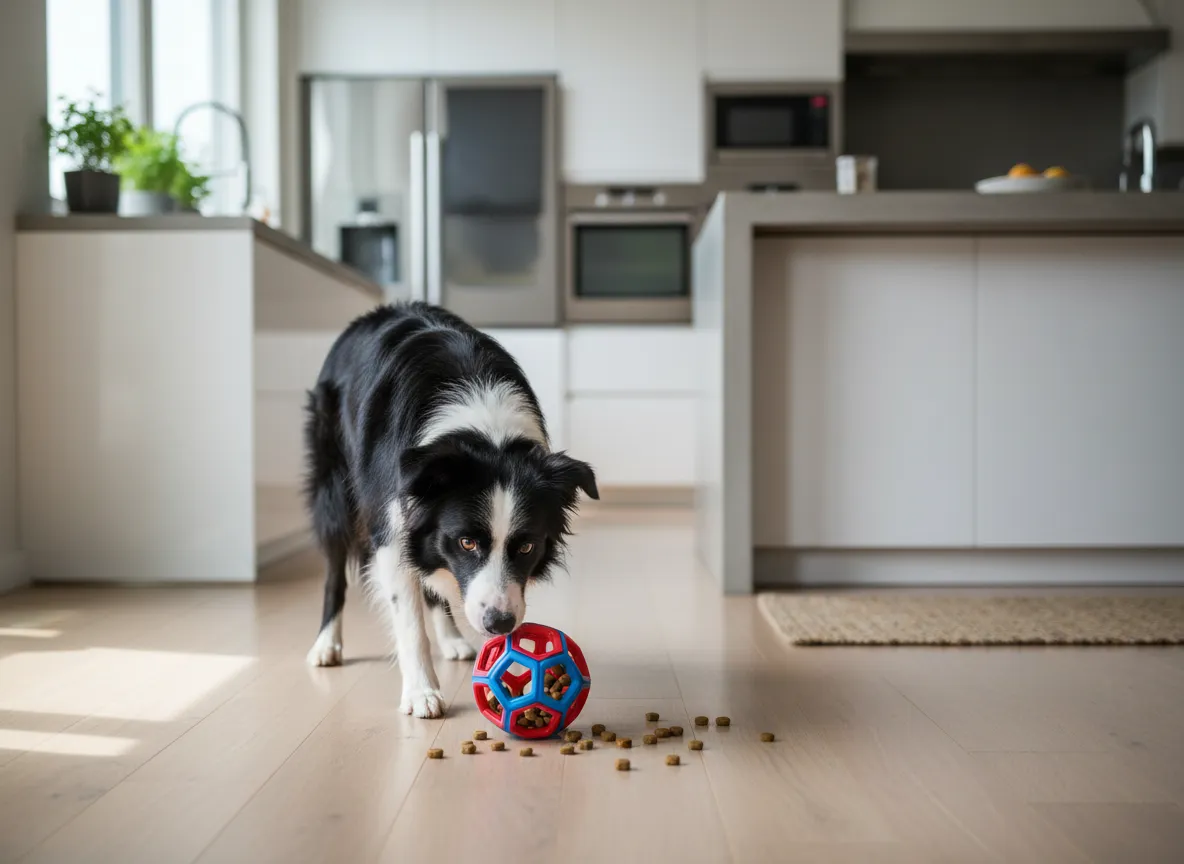
Mealtime or Playtime? Understanding Your Dog's Behavior
Have you ever set down your dog's bowl only to watch them gleefully bat kibble across the floor, rather than dive in and eat? While this behavior might seem odd or even a bit frustrating, it's quite common among our canine companions. Understanding why dogs indulge in such antics can help owners better address it and ensure their pets are happy and healthy.
Why Dogs Play with Their Food
Boredom: The Most Common Culprit
For many dogs, especially those lacking sufficient physical or mental stimulation, boredom is a major driver of food-play. Imagine a day without walks, toys, or interaction—food becomes an interesting target. The scent, the movement, and the reactions it provokes from us can turn a simple meal into a form of entertainment. Over time, if this behavior is met with laughter or attention, dogs may continue to use it as a strategy for engaging their owners.
Anxiety and Displacement Behavior
Not all food-play is rooted in fun; anxiety can also play a significant role. Dogs with generalized anxiety may find eating stressful, particularly if they are alone. In such cases, the conflict between hunger and nervousness can manifest as playing with food—a classic displacement behavior. If you notice this is part of a broader pattern of anxiety, consulting a vet is advisable. There are effective treatments available that can improve your dog's quality of life.
Instinctual Behavior
Dogs rely heavily on their sense of smell, and this instinct extends to mealtime. A thorough sniffing or gentle nudge of their food before eating can be part of their natural sensory inspection process, especially when introduced to new foods. It's a way of gathering information about their meal before committing to it.
Creating a Healthy Mealtime Environment
Tips for Managing Food Play
Ensure your dog gets plenty of exercise before meals.
Engage in mental stimulation with toys and puzzles.
Establish consistent feeding times and locations.
Ensuring Adequate Exercise
One of the simplest ways to curb mealtime antics is ensuring your dog gets enough exercise. A well-exercised dog is more likely to focus on eating. Try to incorporate exercise into your dog's routine before meals, as it aligns with their natural instincts to work before eating.
Separating Eating and Play Areas
By keeping eating and play areas distinct, you help your dog understand that mealtime isn't playtime. This clear separation can help reduce confusion and encourage better eating habits.
Practical Tips for Managing Food Play
- Increase Physical Activity: Ensure your dog gets plenty of exercise before meals.
- Engage in Mental Stimulation: Use toys and puzzles to challenge your dog's mind.
- Consistent Mealtime Routine: Establish regular feeding times and locations away from distractions.
Wrapping Up
Understanding why your dog might turn mealtime into playtime can help you address the behavior effectively. Whether it's boredom, anxiety, or instinct, recognizing the cause is the first step. By ensuring your dog has enough physical and mental stimulation and a stress-free eating environment, you can help them approach mealtime calmly and happily. Share your experiences or questions on our blog and connect with other dog lovers!
For more insights into dog behavior, check out our Dog Behavior Guide and explore ways to keep your pet engaged with our Daily Bonding Regimen.
External resources like PetMD offer additional guidance on managing your dog’s mealtime behavior.
You might also like
6 Heartwarming Signs Your Dog Truly Trusts You
Aug 8, 2026
Discover the subtle signs that reveal your dog’s deep trust and learn how to nurture this precious bond.
Decoding the 'Guilty' Look: Do Dogs Really Feel Guilt?
Jul 19, 2026
Discover the truth behind your dog's 'guilty' look and what it really means for their behavior.
A Heartwarming Tale of Harmony Between Two Dogs
Jul 14, 2026
Discover how a rescue dog and an older dog found peace together, and learn tips for managing multi-dog households.
Comments
No comments yet. Be the first to comment!
Anbefalt Hundeopplæring

Vi kan motta en provisjon hvis du kjøper gjennom disse lenkene (uten ekstra kostnad for deg).