Why Your Dog Refuses the Auto Feeder When Your Partner Is Away
Introduction
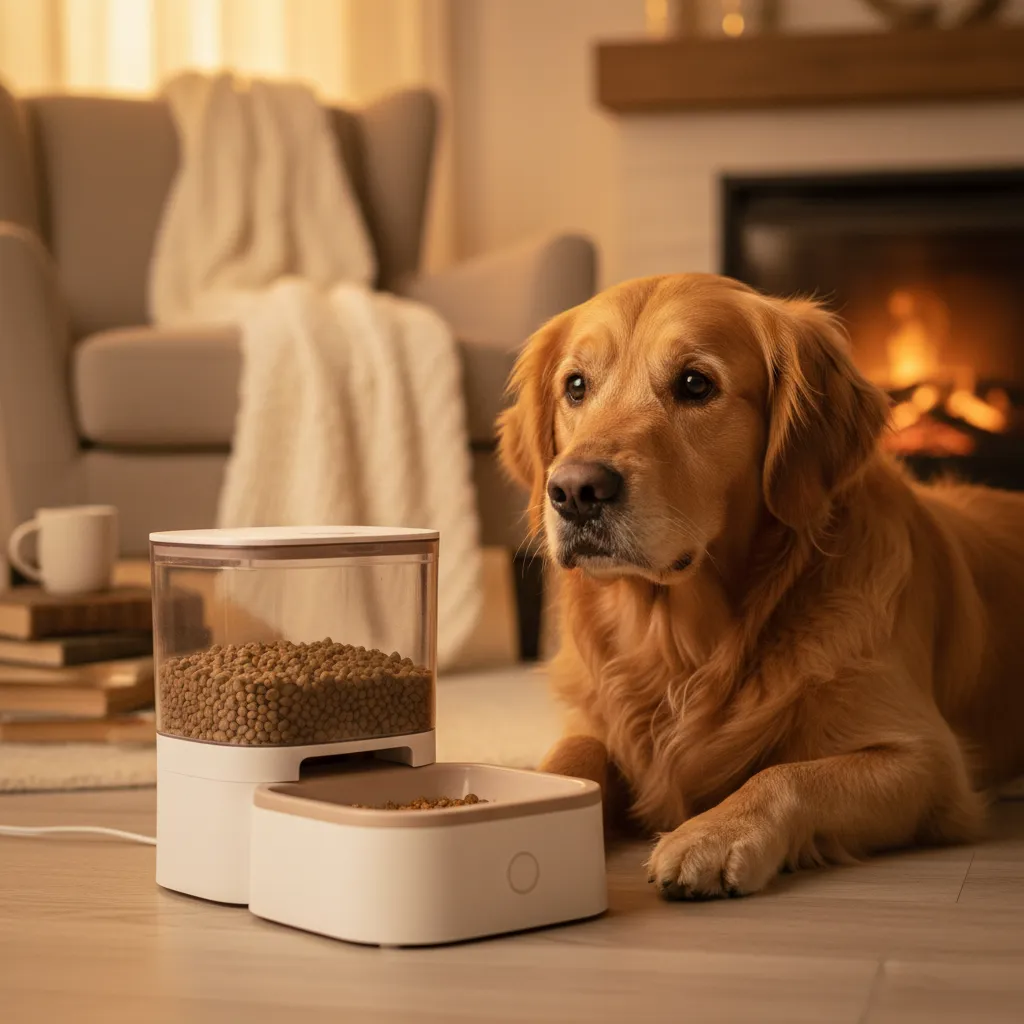
When it comes to feeding your dog, consistency is often key. Yet some dogs display puzzling behaviors, such as refusing to eat from an auto feeder unless a specific family member is home. This can be particularly frustrating if you're trying to streamline feeding routines. Understanding why your dog behaves this way is crucial to finding a solution that works for everyone in your household.
In this article, we'll delve into potential reasons for this behavior and provide actionable steps to help your dog feel comfortable eating from an auto feeder, even when your partner is away.
Possible Reasons for the Behavior
Emotional Attachment
Dogs are known for their strong emotional bonds with humans. It's not uncommon for a dog to feel more secure when a specific person is present. This attachment can extend to eating habits, where your dog may view your partner's presence as a form of reassurance.
Changes in Routine
Dogs thrive on routine. A sudden change, such as one family member being absent, can disrupt a dog's sense of normalcy. If your partner is usually home during feeding times, their absence might unsettle your dog, leading to a refusal to eat from the auto feeder.
Feeding Environment
The environment where your dog eats can significantly impact their willingness to eat. If the auto feeder is placed in a location that feels less secure or comfortable compared to where you normally feed them, this could be a contributing factor.
Encouraging Auto Feeder Use
Introduce the feeder gradually while your partner is home.
Use positive reinforcement when your dog uses the feeder.
Keep the feeder placement consistent.
Replicate your dog's routine even when your partner isn't home.
Monitor your dog's behavior and adjust strategies as needed.
Sensory Preferences
Dogs have preferences, much like humans. The noise, smell, or even the appearance of the auto feeder might not appeal to them. This sensory aversion can be heightened when your partner is not around to provide emotional comfort.
Practical Tips to Encourage Use of the Auto Feeder
- Gradual Introduction: Slowly introduce the auto feeder while your partner is at home. Incorporate it into your dog's routine gradually, perhaps by initially using it only for snacks or dry food.
- Positive Reinforcement: Reward your dog with praise or a small treat when they engage with the auto feeder. Positive reinforcement can help them associate the feeder with a positive experience.
- Consistent Placement: Ensure the feeder is always placed in the same spot. Choose an area where your dog feels comfortable and safe.
- Mimic Routine: Try to mimic the feeding routine your dog is accustomed to, even when your partner is away. This consistency can help reduce anxiety.
- Monitor and Adjust: Pay attention to your dog's behavior and adjust your strategies as needed. If they seem particularly anxious, consult our Dog Behavior Guide for more insights.
When to Seek Professional Help
If your dog's eating habits do not improve or if they seem overly anxious, it may be time to consult a professional. A veterinarian or a professional dog trainer can offer tailored advice. In some cases, underlying health issues or anxiety disorders could be at play, necessitating professional intervention.
Conclusion
Feeding your dog should be a straightforward process, but emotional and environmental factors can complicate this seemingly simple task. By understanding your dog's needs and implementing these practical tips, you can encourage them to embrace their auto feeder, regardless of who is home. For more on improving your dog's behavior and routine, visit our Training Guide and explore our blog for additional tips.
For further reading on canine emotional attachments and feeding behaviors, consider checking resources like ASPCA and PetMD.
You might also like

6 Heartwarming Signs Your Dog Truly Trusts You
Aug 8, 2026
Discover the subtle signs that reveal your dog’s deep trust and learn how to nurture this precious bond.
Why Your Dog Might Always Seem Hungry
Jul 28, 2026
Explore why some dogs seem insatiable and learn how to manage their appetite effectively.

The Happiest Dog Breeds: Smiles That Brighten Every Day
Jul 22, 2026
Discover the dog breeds known for their naturally joyful faces and learn how their personalities make them beloved companions.
Comments
No comments yet. Be the first to comment!
Anbefalt Hundeopplæring


Vi kan motta en provisjon hvis du kjøper gjennom disse lenkene (uten ekstra kostnad for deg).