Are Fish-Based Dog Foods Safe? Understanding PFAS Risks
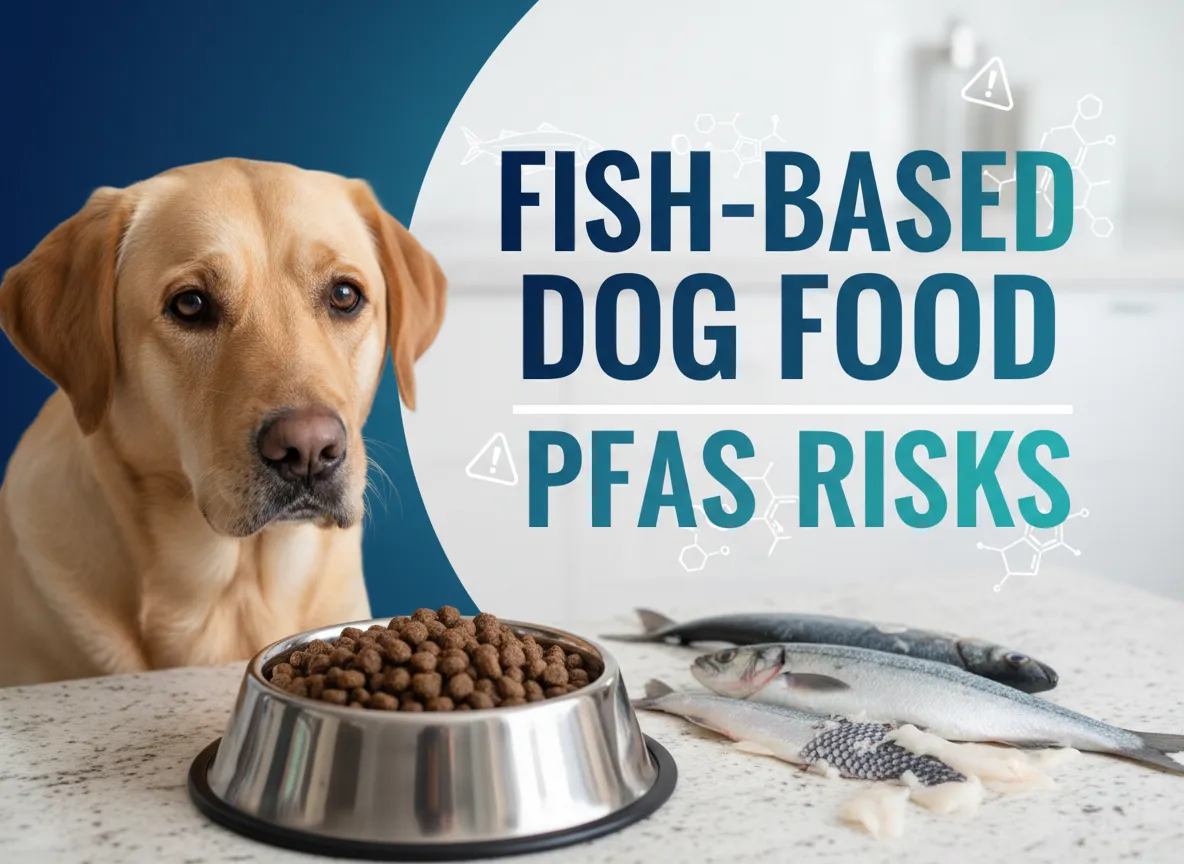
Why You Should Care About What's in Your Dog's Food
Imagine you're pouring your dog's favorite fish-flavored kibble into their bowl. You feel good knowing you're providing a protein-rich meal, but have you ever wondered about hidden ingredients that could be less than healthy?
Recent research highlights concerns about 'forever chemicals' in pet foods, specifically those made from fish. These findings are stirring up conversations about the safety of what we feed our furry friends.
The Research
A study led by Kei Nomiyama from Ehime University in Japan examined 100 commercial pet foods, focusing on the presence of perfluoroalkyl and polyfluoroalkyl substances (PFAS). These chemicals, known for their persistence in the environment, were found in notable quantities, especially in fish-based products.
The research team analyzed 48 dog foods and 52 cat foods available in Japan from 2018 to 2020. They identified 34 different PFAS types and calculated potential daily intake based on average meal sizes and pet weights. The results were concerning, as many products contained PFAS levels above those considered safe for humans by European health agencies.
While PFAS are prevalent in various consumer goods, their presence in pet foods raises questions about long-term health risks for our pets, similar to the risks they pose in humans, such as liver damage and increased cancer risk.
What This Means for Dog Owners
For dog owners, this research suggests that it's worth scrutinizing the ingredient lists of pet foods more closely. Fish-based products, while nutritious, might contain higher levels of these chemicals. Diversifying your pet's protein sources could mitigate potential risks.
Additionally, this study underscores the importance of industry transparency and regulatory oversight to ensure pet food safety. Increased monitoring of contaminants in pet products is crucial for safeguarding our companions' health.
Practical Takeaways
- Diversify Protein Sources: Consider rotating between fish, chicken, and other protein options to minimize PFAS exposure.
- Read Labels Carefully: Be mindful of the ingredients and sourcing of your pet's food.
- Use Our Tools: Check our Nutrition Planner and Product Research to find safer options.
PFAS in Pet Foods
100
Foods Tested
Number of commercial pet foods tested for PFAS.
34
PFAS Types Found
Different PFAS chemicals identified in the study.
A Note on the Evidence
It's important to note that while the study provides valuable insights, it does not indicate an immediate health crisis. The sample size was limited to Japanese markets, and further research is needed to fully understand PFAS effects on pets.
Tips for Safer Pet Food Choices
Rotate protein sources to reduce chemical exposure.
Check ingredient labels for fish content.
Use trusted resources like our Nutrition Planner.
Closing
As we learn more about the complexities of pet nutrition and safety, staying informed is key. Share your thoughts and experiences with us on our blog. Together, we can make informed decisions for our beloved canine companions.
For more details, you can check the original study published by New Scientist here.
You might also like

Understanding Rawhide: Is it Safe for Your Dog?
Feb 23, 2026
Explore the safety of rawhide chews for dogs and learn about healthier alternatives to keep your furry friend happy and safe.

Top Tips for Storing Your Dog's Food Freshly and Securely
Aug 26, 2026
Discover the best ways to store your dog's food to maintain freshness and nutrition. Secure your pantry and keep pests away!

Is Vegan Dog Food a Healthy Choice? A New Study Weighs In
Aug 23, 2026
Discover if vegan dog food can meet your pup's nutritional needs while being digestible. What does the latest research reveal?
Comments
No comments yet. Be the first to comment!
Anbefalt Hundeopplæring


Vi kan motta en provisjon hvis du kjøper gjennom disse lenkene (uten ekstra kostnad for deg).