Why Mud Can Be More than Just Fun for Your Dog
Muddy Adventures: The Hidden Risks
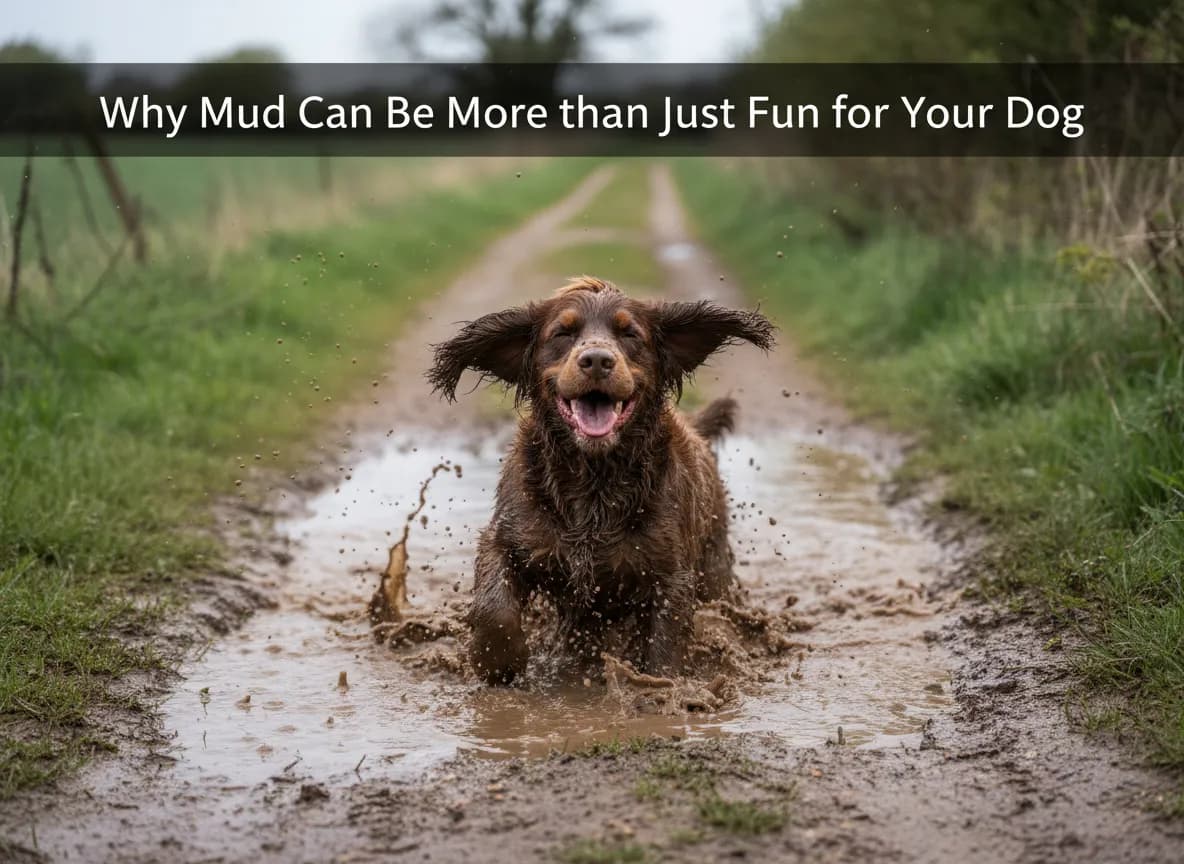
Watching your dog romp and roll in a mud puddle is a sight that brings joy to many pet owners. The splash of paws, the wagging tail, and the sheer delight in their eyes can make it seem like harmless fun. But beneath the surface of that muddy play lurks some hidden dangers that every dog lover should be aware of.
Mud isn't just a simple mix of dirt and water. It's a concoction of soil, organic materials, and sometimes unwelcome guests like bacteria and parasites. When your furry friend brings those muddy paws into your home, they're not just tracking dirt; they're potentially inviting in germs and contaminants that can affect both their health and yours.
Understanding the Components of Mud
Mud can host a variety of microorganisms. Depending on the environment, it might contain bacteria such as E. coli and Salmonella, which can cause digestive issues in dogs. Parasite eggs and residues from chemicals like pesticides or fertilizers can also be present, posing additional health risks to your pet.
Dogs love to explore with their mouths, often licking their muddy paws and grooming themselves. This behavior can lead to the ingestion of harmful substances, resulting in stomach upsets or skin irritations. Dogs with sensitive skin or allergies are even more susceptible to developing conditions like redness or excessive itching after a muddy adventure.
Health Implications for Your Dog
While an occasional romp in the mud is unlikely to cause severe problems, frequent exposure—especially in contaminated areas like dog parks—can lead to health issues over time. Ingesting bacteria or parasites can result in symptoms such as vomiting or diarrhea. Moreover, the moist and dirty environment around their paws can contribute to infections or irritations between the toes.
If your dog shows signs of discomfort after being outdoors, it may be worth considering if their muddy paws are the culprits. Regular monitoring and grooming can help mitigate these risks.
Protecting Your Home from Muddy Paws
Once mud enters your home, it doesn't just stay on the floor. It can transfer onto furniture, clothing, and even children's toys. This is particularly concerning for families with young children, who are more prone to putting objects in their mouths and have developing immune systems. Older adults and individuals with compromised immune systems are also at greater risk of infections from these contaminants.
Keeping Your Dog and Home Safe
- Clean Up Immediately: After a muddy outing, clean your dog's paws and coat thoroughly before letting them roam inside. Consider setting up a cleaning station near your entrance.
- Regular Baths: Give your dog regular baths to remove any residual dirt and bacteria that could cause skin issues.
- Inspect for Irritations: Check your dog's paws and skin for any signs of redness or irritation after walks.
By taking these precautions, you can let your dog enjoy the simple pleasure of playing in mud while keeping them healthy and your home clean.
Tips for Muddy Dogs
Set up a cleaning station near your entrance.
Use pet-safe wipes for quick clean-ups.
Keep a towel handy for drying off your dog.
Conclusion
Mud play is undeniably one of the small joys of dog ownership. By understanding the potential risks and taking proactive steps, you can ensure these adventures remain safe and enjoyable for both your furry friend and your family. For more tips on dog care, be sure to explore our Dog Behavior Guide and Training Guide.
For further reading on dog health and safety, you can check out PetMD's guide on dog health.
You might also like

Celebrate Summer with Strawberry Treats for Your Dog
Jul 21, 2026
Discover delightful strawberry-inspired treats and toys for your dog this summer. Learn about the safe and healthy ways to include strawberries in their diet.
The Joy and Risks of Muddy Adventures with Your Dog
Jun 30, 2026
Discover the joys and hidden risks of letting your dog play in mud. Learn how to keep them safe and your home clean.
Protecting Pooches: The Ultimate Guide to Dog Sunscreen
Jun 9, 2026
Learn why sunscreen is essential for dogs, the best types available, and how to apply it safely for your furry friend.
Comments
No comments yet. Be the first to comment!
Anbefalt Hundeopplæring


Vi kan motta en provisjon hvis du kjøper gjennom disse lenkene (uten ekstra kostnad for deg).