Best Harnesses for Dogs That Pull: A Buying Guide
Understanding Dog Harnesses for Pullers
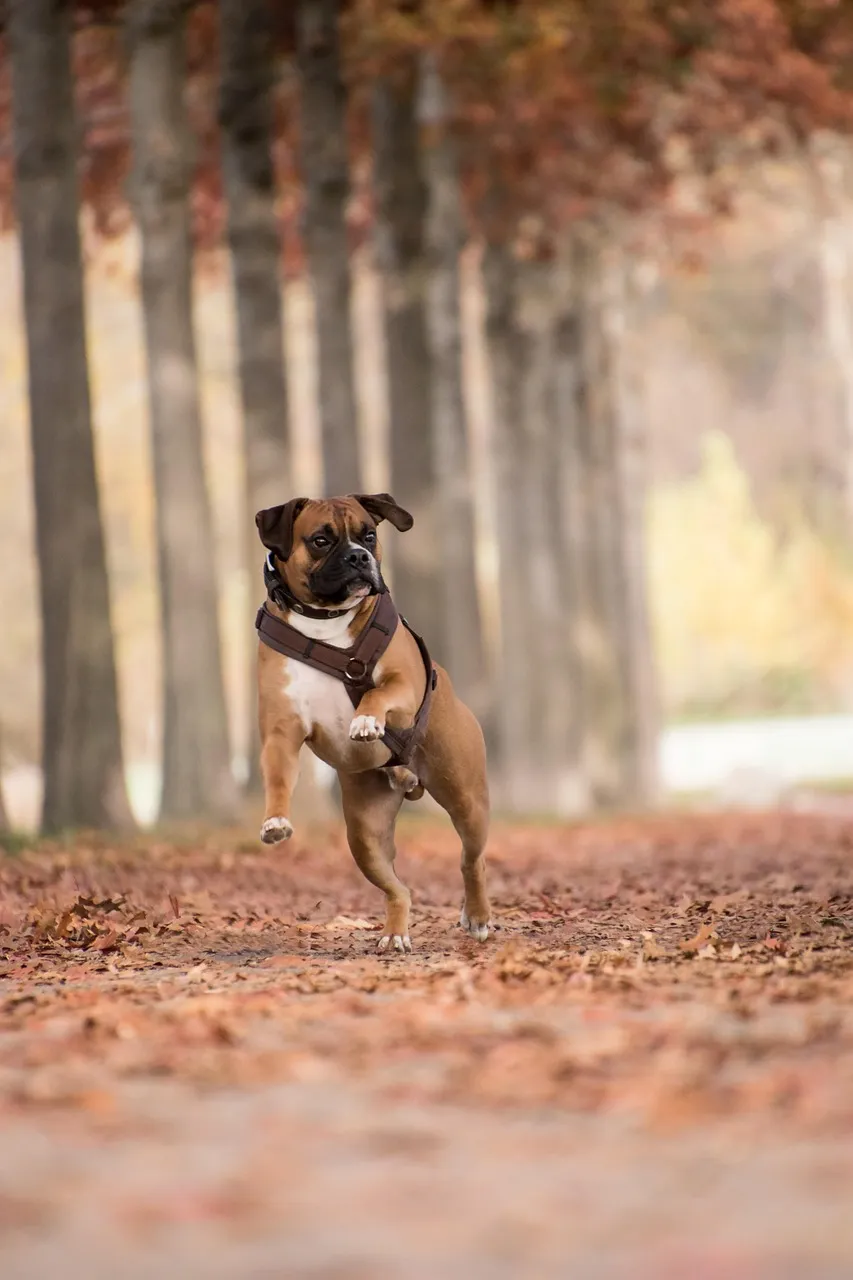
Walking a dog that pulls can be challenging and sometimes frustrating for both the dog and the owner. Choosing the right harness can make a significant difference in managing pulling behavior. In this guide, we explore different types of harnesses—front-clip, back-clip, and head halters—and provide tips to choose the best one for your furry friend.
Types of Harnesses
Front-Clip Harnesses
Front-clip harnesses have the leash attachment in the front center of the dog’s chest. This design discourages pulling by redirecting the dog when they try to move ahead too quickly. They are especially effective for training purposes and can enhance control over the dog's movement.
- Pros: Provides more control, helps with training, reduces pulling.
- Cons: Can be slightly cumbersome if not fitted properly.
Back-Clip Harnesses
Back-clip harnesses have the leash attachment on the back, usually between the shoulder blades. They are most comfortable for dogs but offer less control over pulling behavior compared to front-clip models.
- Pros: Easy to put on, comfortable for the dog.
- Cons: Less control over dogs that pull.
Head Halters
A head halter is designed to fit around the dog’s nose and behind the ears, similar to a horse halter. It offers the most control over a dog’s movements, especially beneficial for strong pullers.
- Pros: Maximum control, helps with severe pulling.
- Cons: Requires training for the dog to get used to it.
Features to Look For
- Adjustability: Ensure the harness can be adjusted for a snug fit.
- Padding: Look for harnesses with padding to prevent chafing.
- Durability: Choose sturdy materials that can withstand pulling.
- Visibility: Reflective strips can enhance safety during evening walks.
Top Picks
- PetSafe Easy Walk Harness: A popular front-clip option known for its effectiveness in reducing pulling. Check our Product Research for detailed reviews.
- Ruffwear Front Range Harness: Offers a balance of comfort and control with both front and back clip options.
- Halti Optifit Headcollar: Provides excellent control, particularly for large breeds.
For detailed comparisons and reviews, explore our Product Research tool.
Additional Tips
- Training: Consider using our Training Guide to complement the harness.
- Behavior Understanding: Learn about dog behavior with our Dog Behavior Guide to better manage pulling.
Harnesses are a practical tool for managing dogs that pull, but remember, consistent training and understanding your dog's behavior are equally important. For more expert advice, check out the AKC.
Understanding Why Dogs Pull on the Leash
Before choosing a harness, it helps to understand why dogs pull in the first place. Pulling is not defiance or dominance — it is simply a natural behavior driven by several factors:
- Pace mismatch: A dog's natural walking speed is faster than a human's. When leashed, they constantly bump up against the speed limit you set, creating tension on the leash.
- Environmental excitement: The outdoor world is overwhelmingly stimulating for dogs. Every scent, squirrel, and sound competes for their attention, and their instinct is to move toward interesting stimuli.
- Oppositional reflex: Dogs have a natural reflex to push against pressure. When the leash tightens, their instinct is to pull harder — which is why traditional collars often make pulling worse.
- Reinforcement history: Every time a pulling dog reaches the thing they are pulling toward — a fire hydrant, another dog, the park entrance — the pulling behavior is rewarded. Over time, this creates a deeply ingrained habit.
A no-pull harness is a management tool that makes walks more pleasant while you work on training. But the harness alone will not teach your dog to walk politely. Pair it with consistent leash training using positive reinforcement methods. Our Training Guide has a complete loose-leash walking protocol.
Fitting Your Harness Correctly
A poorly fitted harness can cause chafing, restricted movement, and even long-term joint problems. Follow these guidelines:
- Two-finger rule: You should be able to slide two fingers between the harness and your dog's body at any strap point. Tighter than this restricts movement; looser allows escape.
- Check the chest plate: Front-clip harnesses should have the attachment point centered on the breastbone. If it sits off to one side, the harness will cause uneven pulling and potential shoulder strain.
- Avoid armpit rubbing: The straps should not cross directly through the armpits, as this causes friction sores during movement. Quality harnesses are designed with this in mind.
- Reassess regularly: Dogs change shape with age, weight fluctuations, and seasonal coat changes. Check the fit monthly and adjust as needed.
For Nordic dog owners dealing with winter conditions, look for harnesses with reflective stitching for dark walks and materials that do not absorb water and freeze. Our Product Research tool includes reviews specifically from Nordic users who test gear in real winter conditions.
You might also like
Why Dogs Patiently Wait for Their Humans
Aug 11, 2026
Discover why your dog is always at your side and learn the heartwarming reasons behind their loyal waiting.

6 Heartwarming Signs Your Dog Truly Trusts You
Aug 8, 2026
Discover the subtle signs that reveal your dog’s deep trust and learn how to nurture this precious bond.

Decoding the 'Guilty' Look: Do Dogs Really Feel Guilt?
Jul 19, 2026
Discover the truth behind your dog's 'guilty' look and what it really means for their behavior.
Comments
No comments yet. Be the first to comment!
Anbefalt Hundeopplæring


Vi kan motta en provisjon hvis du kjøper gjennom disse lenkene (uten ekstra kostnad for deg).