Dog-Proofing Your Home: A Comprehensive Room-by-Room Checklist
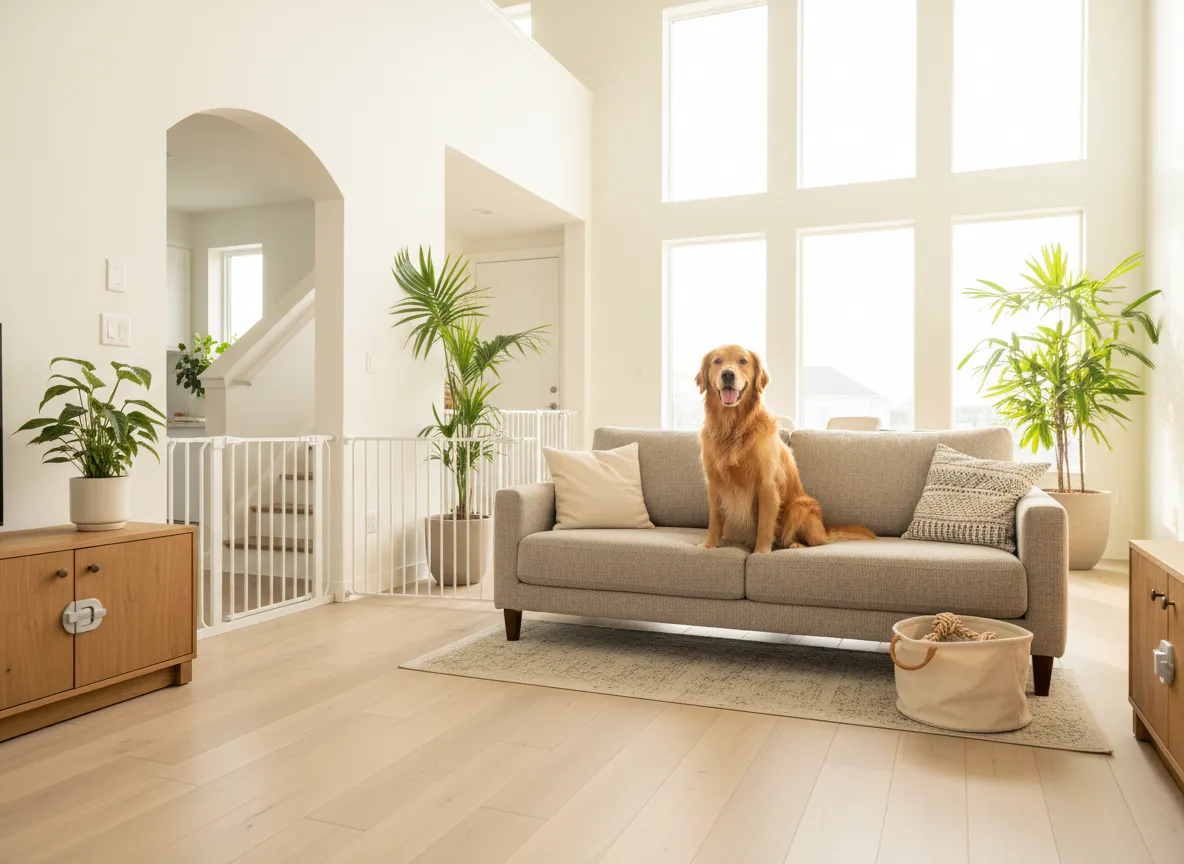
Dog-Proofing Your Home: A Comprehensive Room-by-Room Checklist
Bringing a dog into your home is a joyous occasion, but it also requires proactive safety measures. From curious puppies to adventurous adults, dogs often find themselves in potentially dangerous situations within our homes. This comprehensive checklist will guide you through dog-proofing each room, ensuring your furry friend's environment is as safe as possible.
Kitchen
The kitchen is a hotspot for potential hazards:
- Trash Bins: Dogs are naturally curious and often drawn to the smells coming from the trash. Use a bin with a secure lid or store it in a cabinet.
- Toxic Foods: Keep foods like chocolate, grapes, and onions out of reach. Check our Toxic Foods Checker for a complete list.
- Cleaning Supplies: Store all chemicals and cleaning supplies in high cabinets or locked storage.
External Tip: ASPCA offers a comprehensive list of toxic substances to animals.
Living Room
The living room is where families often spend the most time, making it crucial to dog-proof:
- Cords and Wires: Use cord covers to prevent chewing, which can result in electrical shocks.
- Houseplants: Some houseplants are toxic to dogs. Verify safety with our Toxic Foods Checker.
- Decorative Items: Ensure small, swallowable items are kept out of reach.
Bedroom
Bedrooms may seem safe, but they still harbor potential risks:
- Clothing and Shoes: Keep these items stored away to prevent chewing and ingestion.
- Jewelry and Small Items: Store jewelry in boxes and small items in drawers to avoid choking hazards.
- Medications: Always keep medications secure, as even a small dose can be harmful.
Bathroom
Bathrooms can quickly become hazardous:
- Toilet: Consider keeping the lid down or closing the door to prevent drinking contaminated water.
- Personal Care Products: Items like toothpaste, lotions, and razors should be kept out of reach.
- Towels and Bathmats: Ensure these are kept tidy to avoid ingestion or chewing.
Outdoor Area
If you have a garden or backyard, consider:
- Fencing: Ensure fencing is secure with no escape routes.
- Plants: Avoid planting toxic plants such as azaleas or daffodils. Check PetMD for a list of poisonous plants.
- Tools and Equipment: Store garden tools securely to avoid injury.
General Tips
- Regular Inspections: Routinely check each room for new hazards, as dogs can introduce risks by moving items.
- Training: Utilize our Training Guide to teach obedience, which can prevent accidents.
- Lifestyle Matching: Ensure your home environment matches your dog's needs with our Lifestyle Matcher.
Creating a safer home for your dog involves attentiveness and regular updates to your dog-proofing strategies. For more tips and insights, visit our blog.
Seasonal Dog-Proofing Considerations
Dog-proofing is not a one-time task — it requires seasonal awareness as new hazards appear throughout the year:
Spring: Garden chemicals (fertilizers, pesticides, slug pellets), spring-blooming toxic plants like tulips and daffodils, increased tick and flea activity. Check your garden for toxic plants using our Toxic Foods Checker.
Summer: Open windows and balconies (especially dangerous for excited dogs who may jump), barbecue skewers and corn cobs (common choking hazards), swimming pool access, heat-related dangers in cars and on hot pavement, and toxic algae in lakes and ponds.
Autumn: Fallen fruit (fermenting apples can cause alcohol poisoning), mushrooms in the garden (some are highly toxic), Halloween candy containing xylitol or chocolate, and increased darkness during walks requiring reflective gear.
Winter: Antifreeze spills, road salt on paws, holiday decorations (tinsel, ornaments, chocolate advent calendars), toxic holiday plants (poinsettia, mistletoe, holly), and stress from fireworks during New Year's celebrations.
Hidden Hazards Most Owners Miss
Beyond the obvious dangers, there are subtle hazards in most homes that even experienced dog owners overlook:
- Dryer sheets and laundry pods: Dryer sheets contain cationic surfactants that can cause chemical burns to a dog's mouth and digestive tract. Laundry pods are brightly colored and can look like toys to a curious dog — ingestion can cause severe burns and organ damage.
- Essential oil diffusers: Many popular essential oils (tea tree, eucalyptus, peppermint, citrus) are toxic to dogs when inhaled in concentrated forms or ingested. If you use a diffuser, ensure the room is well-ventilated and your dog can leave freely.
- Reclining furniture: Reclining chairs and sofa beds have moving mechanisms that can trap and injure small dogs who crawl underneath. Always check before adjusting your furniture.
- Sewing and craft supplies: Needles, thread, yarn, and rubber bands are common foreign body ingestions in dogs. Thread is particularly dangerous as it can cause a linear foreign body, requiring emergency surgery.
Use our Product Research to find pet-safe alternatives for common household products, and check our Dog Behavior Guide for understanding what drives destructive or exploratory behavior in your dog.
You might also like
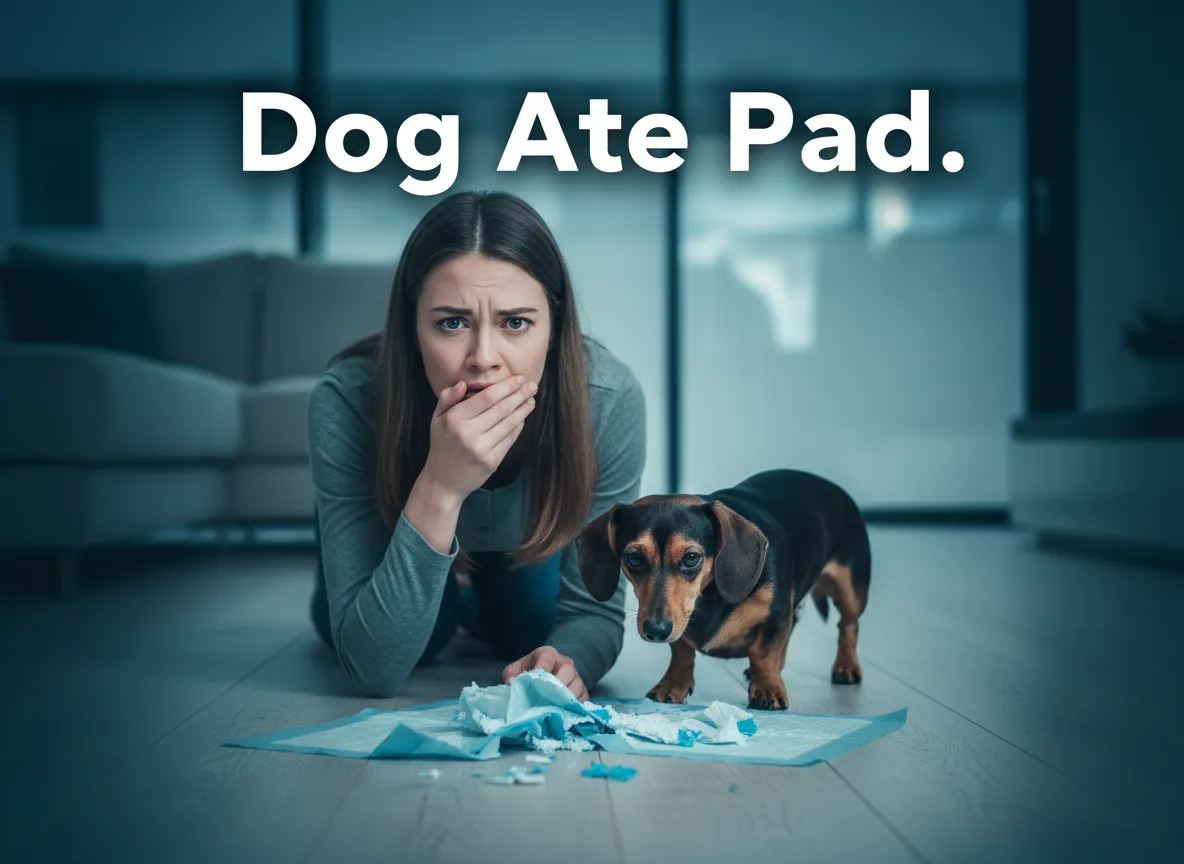
What to Do If Your Dog Eats an Absorbent Pad: A Quick Guide
Mar 2, 2026
Discover how to handle the situation if your dog ingests a meat absorbent pad. Learn practical steps and when to seek professional help.
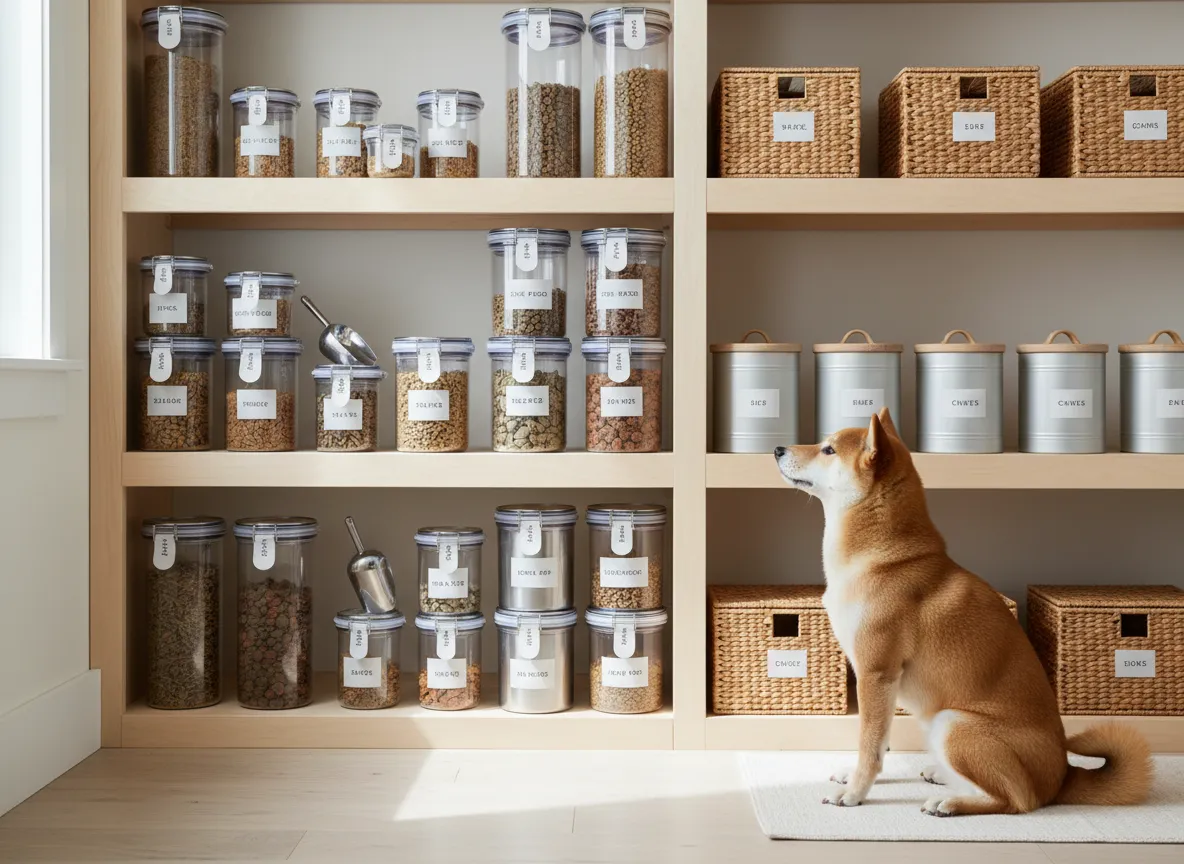
Top Tips for Storing Your Dog's Food Freshly and Securely
Aug 26, 2026
Discover the best ways to store your dog's food to maintain freshness and nutrition. Secure your pantry and keep pests away!
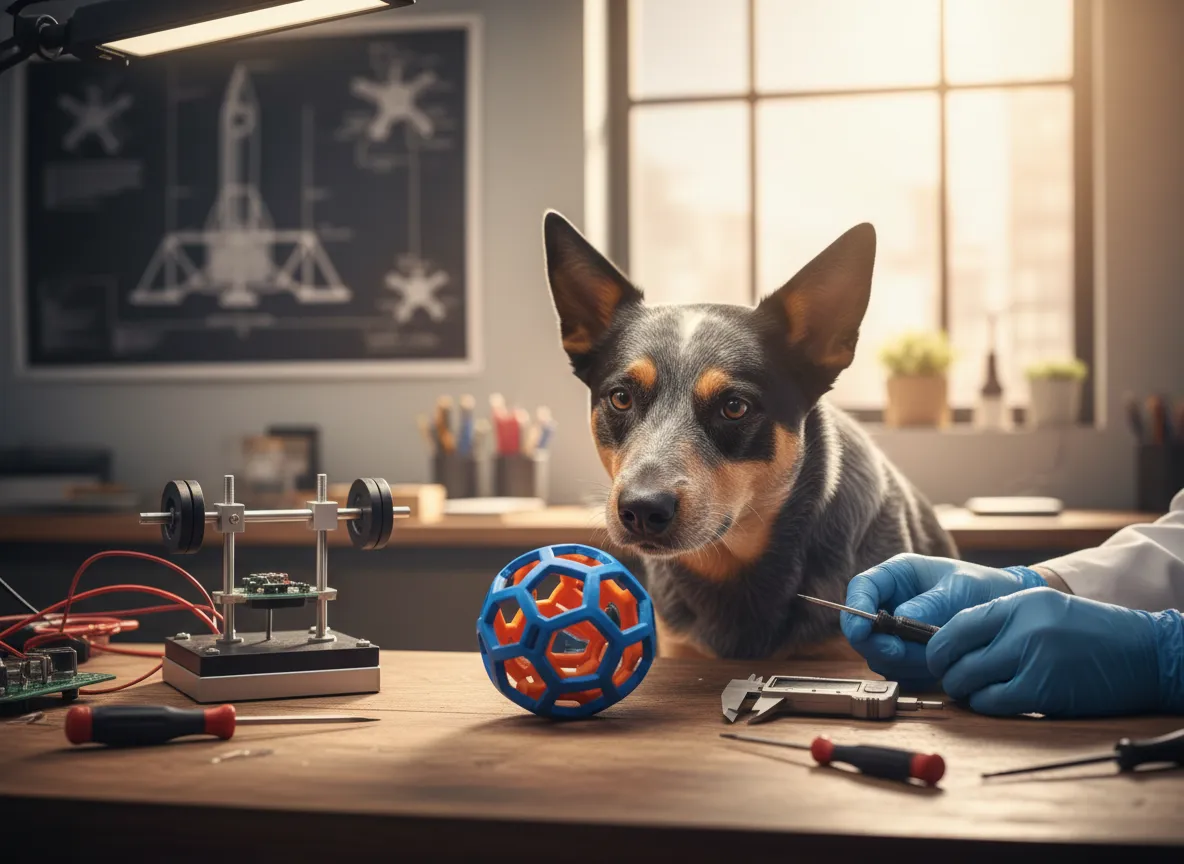
From Space Rockets to Dog Toys: A Scientist's Journey of Innovation
Aug 22, 2026
Discover how a NASA scientist's passion for dogs led to the creation of a safer, innovative dog toy.
Comments
No comments yet. Be the first to comment!
Anbefalt Hundeopplæring


Vi kan motta en provisjon hvis du kjøper gjennom disse lenkene (uten ekstra kostnad for deg).