How to Stop Your Dog from Weeing Indoors: Practical Solutions
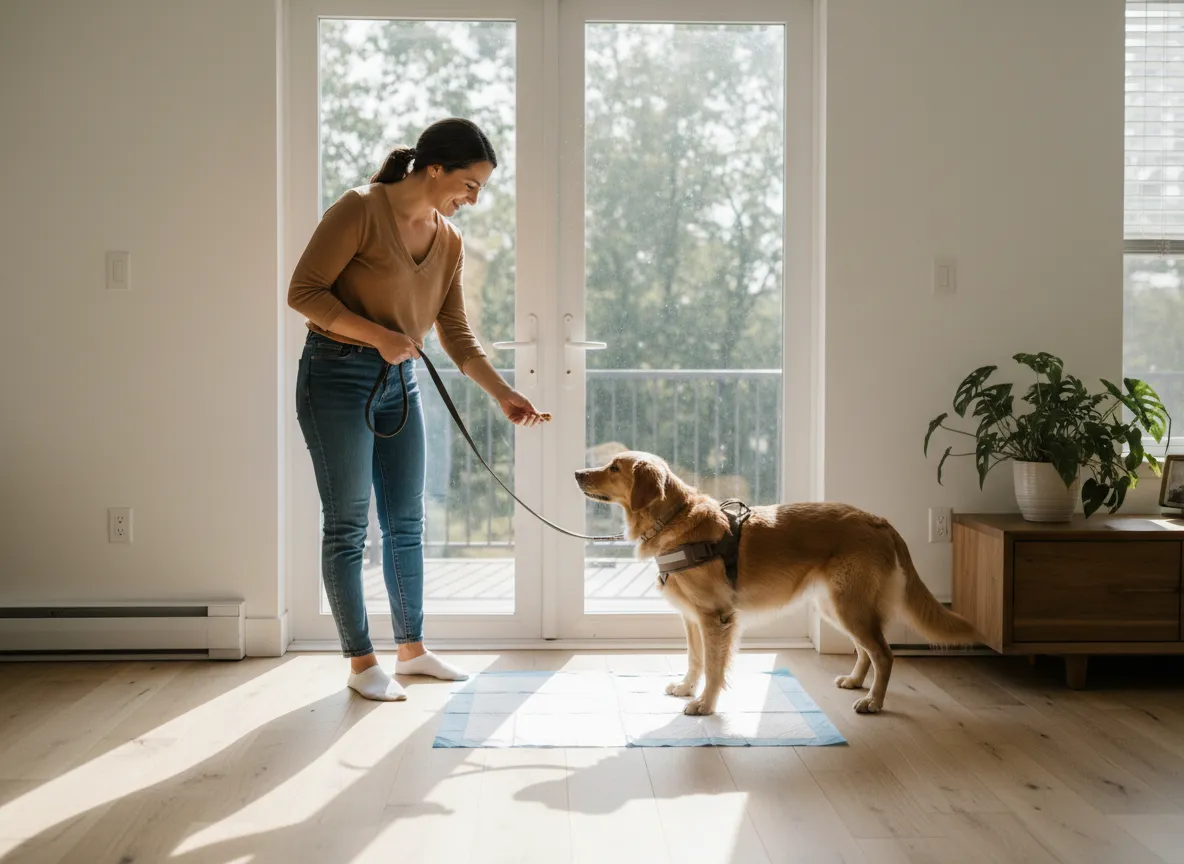
Understanding Why Your Dog Pees Indoors
Having a dog that frequently urinates indoors can be frustrating. It's essential to identify the root cause of this behavior before addressing it effectively. Here are some common reasons why your dog might be urinating indoors:
- Medical Issues: Conditions such as urinary tract infections, diabetes, or kidney disease can cause frequent urination. A visit to the vet is crucial to rule out these possibilities.
- Behavioral Factors: Stress, anxiety, or changes in the household can lead to unwanted urination. Dogs are sensitive creatures, and even small changes can impact their behavior.
Steps to Stop Indoor Urination
1. Health First: Visit the Vet
Before implementing any training or changes, ensure that your dog is healthy. A vet check can rule out medical issues that might require different treatments. For example, a PetMD resource discusses how urinary infections can contribute to this behavior.
2. Revise the Routine
Establishing a consistent routine helps dogs understand when it's time to go outside. Here’s how you can improve your dog’s schedule:
- Regular Breaks: Take your dog out every few hours and immediately after meals.
- Consistent Feeding: Use our Nutrition Planner to maintain a stable diet schedule, influencing predictable bathroom habits.
3. Reinforce Training
Revisit house-training basics with consistency and patience:
- Positive Reinforcement: Praise and reward your dog every time they urinate outside. This encourages them to repeat the behavior.
- Supervised Time Indoors: When indoors, keep a close eye on your dog to quickly redirect them outside if they seem like they’re about to urinate.
For more detailed training steps, refer to our Training Guide.
4. Manage Anxiety and Stress
Changes in the environment can stress your dog, leading to accidents indoors. To manage this:
- Create a Safe Space: Utilize a crate or a specific room where your dog feels secure, as they do at night.
- Daily Bonding: Spend time with your dog through activities from our Daily Bonding Regimen to strengthen your connection and reduce anxiety.
5. Use Tools and Products
Sometimes, using the right tools can assist in curbing indoor urination:
- Pee Pads: Use these temporarily as a training aid, transitioning them closer to the door over time.
- Cleaning Products: Use enzymatic cleaners to remove urine smells and prevent repeat offenses.
When to Seek Professional Help
If the issue persists despite your efforts, consulting a professional dog trainer or behaviorist may be necessary. They can provide specialized solutions tailored to your dog’s needs.
For further reading on dog behavior, visit our Dog Behavior Guide.
By understanding your dog's needs and consistently applying these solutions, you can help your furry friend overcome indoor urination. Be patient, and remember, each step forward is a step towards a happier home.
External Resources
For more on dog urinary health, see AKC.
Medical Causes of Indoor Urination
Before attributing indoor accidents to behavioral issues, it is essential to rule out medical causes. Several health conditions can cause a previously house-trained dog to start urinating indoors:
- Urinary tract infections (UTIs): The most common medical cause, especially in female dogs. Symptoms include frequent urination, straining, and sometimes blood in urine. UTIs are easily treated with antibiotics.
- Bladder stones: Mineral deposits in the bladder can cause pain, frequent urination, and accidents. Diagnosis requires veterinary imaging.
- Diabetes and Cushing's disease: Both conditions cause increased water consumption and urination. If your dog is drinking and urinating much more than usual, see your vet promptly.
- Kidney disease: Particularly common in older dogs, kidney disease impairs the ability to concentrate urine, leading to increased volume and frequency.
- Cognitive dysfunction: Senior dogs may develop canine cognitive dysfunction (similar to dementia in humans), which can cause them to forget their house training. Our Dog Age Calculator can help you determine if your dog is entering their senior years.
A visit to the vet should always be your first step when a house-trained dog suddenly starts having accidents. A simple urinalysis and blood panel can rule out most medical causes.
Cleaning Up Properly to Prevent Repeat Accidents
How you clean up indoor accidents matters more than most owners realize. Dogs have incredibly sensitive noses that can detect urine residue long after you think it is gone. If the scent remains, your dog may interpret that spot as an acceptable bathroom area.
- Use enzymatic cleaners specifically designed for pet urine. These products contain enzymes that break down the uric acid crystals in dog urine, completely eliminating the scent at a molecular level. Regular household cleaners and vinegar solutions may smell clean to you but leave residue that dogs can still detect.
- Avoid ammonia-based cleaners, as urine contains ammonia compounds. Using ammonia to clean actually reinforces the urine scent for your dog.
- Treat the area thoroughly — blot up as much liquid as possible, apply the enzymatic cleaner generously, and allow it to air dry completely. For carpet, the cleaner needs to soak through to the pad beneath.
Find effective pet-specific enzymatic cleaners using our Product Research tool, and consult our Training Guide for a complete house training refresher protocol.
You might also like
Understanding Sudden Changes in Dog Behavior
Mar 16, 2026
Explore why your dog might be exhibiting new behaviors suddenly and learn practical steps to address these changes effectively.
Understanding and Managing Your Dog's Air Licking Behavior
Feb 6, 2026
Discover why dogs lick the air and learn practical steps to address this behavior effectively.
Why Your Dog Eats Everything: Tips for Managing Pica
Feb 3, 2026
Learn why dogs eat non-food items and discover actionable strategies to manage this behavior.
Comments
No comments yet. Be the first to comment!
Anbefalt Hundeopplæring


Vi kan motta en provisjon hvis du kjøper gjennom disse lenkene (uten ekstra kostnad for deg).