Gene-Edited Dogs Might Be the Answer to Pet Allergies
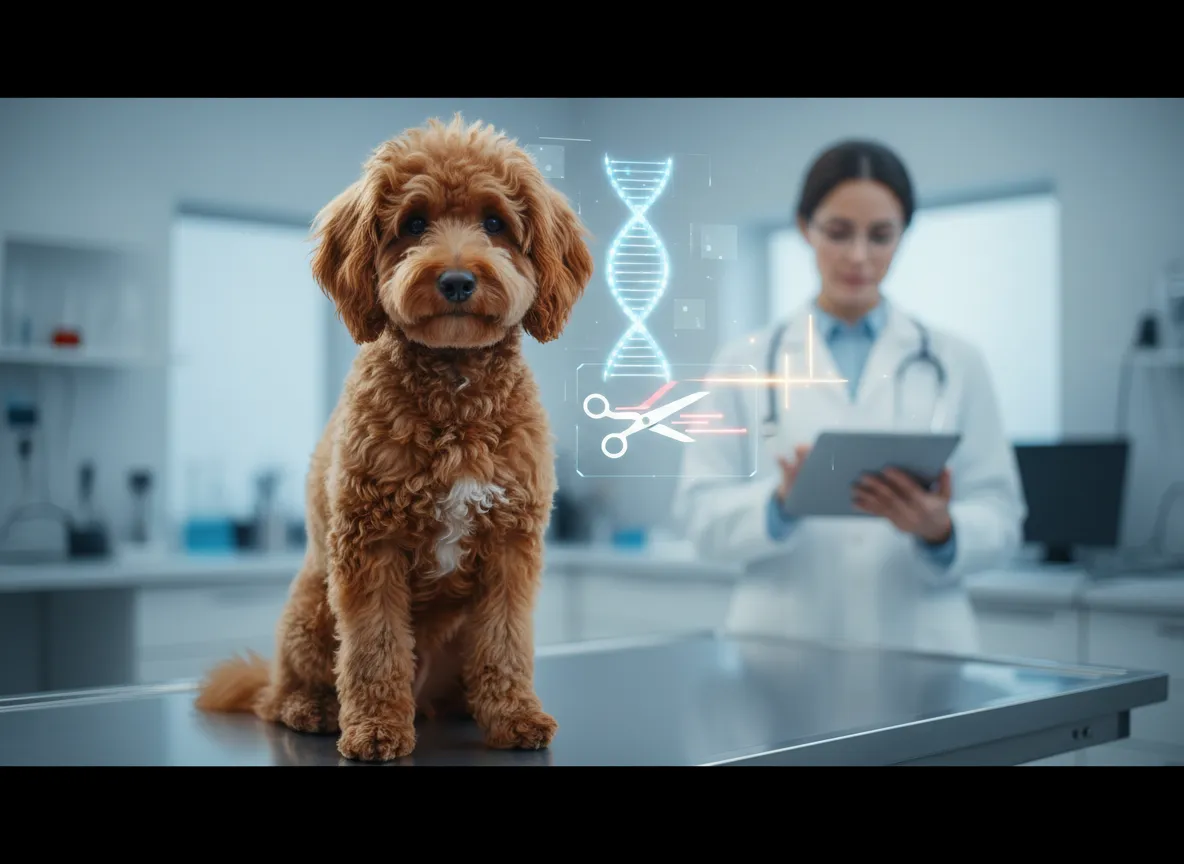
Could Gene-Edited Dogs Make Pet Allergies a Thing of the Past?
Imagine wanting a dog your whole life but being unable to have one due to allergies. This is a common situation for many dog lovers around the world. However, a new scientific breakthrough using CRISPR gene-editing technology may offer a solution.
Key Facts About Gene-Edited Dogs
2024
Year Born
Alfie and Bailey were born in 2024.
Can f 1 Protein
Allergen Removed
The main protein that causes allergic reactions in humans.
CRISPR
Technology Used
The gene-editing technique used to create hypoallergenic dogs.
The Research: Creating Allergy-Free Dogs with CRISPR
In 2024, two beagles named Alfie and Bailey were born, lacking the primary protein that triggers allergic reactions in humans. This incredible advancement was made possible by Kindred Companion Sciences, a company founded by Matt Walker, who was inspired by his own struggles with allergies and his wife's desire for a dog. Walker leveraged his experience with CRISPR from studying neuron development in worms and applied it to dogs.
The main protein responsible for allergic reactions is Can f 1, found in dog saliva and skin. Kindred's team used CRISPR Cas9 to edit the gene responsible for producing Can f 1 in beagle skin cells, creating a mutation that prevents the protein from being produced. After confirming the mutation, they cloned the cells and successfully implanted embryos into a surrogate, resulting in Alfie and Bailey's births.
What This Means for Dog Owners
For many who suffer from dog allergies, this development could mean finally being able to welcome a furry friend into their home without the sneezes and sniffles. Early tests, including skin-prick tests, show that Alfie and Bailey do not trigger allergic reactions, as Can f 1 is undetectable in their systems. However, it's important to note that other minor allergens like Can f 2 might still affect some allergy sufferers.
Walker and his team are cautiously optimistic, and while Alfie and Bailey appear healthy, they continue to monitor their well-being closely. This monitoring ensures that the removal of Can f 1 does not have other unforeseen effects on the dogs.
Practical Takeaways
- If you're allergic to dogs, stay tuned for more developments in hypoallergenic breeds.
- Consider using our Toxic Foods Checker to avoid harmful foods if you already have a dog.
- Check out our Nutrition Planner to support your pet’s health.
Tips for Allergy-Prone Dog Lovers
Stay informed about hypoallergenic dog breeds.
Consult with allergists about potential reactions.
Use tools like our Toxic Foods Checker to maintain pet health.
A Note on the Evidence
While the initial results are promising, further studies are necessary to understand the long-term effects of Can f 1 removal in dogs. More research will also help clarify how other allergens might play a role in dog allergies.
Closing Thoughts
The prospect of gene-edited, hypoallergenic dogs is an exciting development for those who have been unable to enjoy the companionship of a dog due to allergies. As research progresses, we may see more allergy-friendly options for dog lovers.
To learn more about dog behavior and training, visit our Dog Behavior Guide and Training Guide.
For further reading, check out the original study and more on CRISPR developments.
Continue the conversation with us on our blog!
You might also like
Understanding Chicken Allergies in Dogs: What Every Pet Owner Should Know
Mar 14, 2026
Many dogs enjoy chicken as a staple in their diet, but some may develop allergies. Learn how to identify and manage these allergies for a healthier pup.

Is Vegan Dog Food a Healthy Choice? A New Study Weighs In
Aug 23, 2026
Discover if vegan dog food can meet your pup's nutritional needs while being digestible. What does the latest research reveal?
Why Dog Poop Isn't the Fertilizer You Think It Is
Jul 11, 2026
Discover why using dog poop as fertilizer is a risky idea and explore safer, more effective alternatives.
Comments
No comments yet. Be the first to comment!
Anbefalt Hundeopplæring


Vi kan motta en provisjon hvis du kjøper gjennom disse lenkene (uten ekstra kostnad for deg).