Understanding Chicken Allergies in Dogs: What Every Pet Owner Should Know
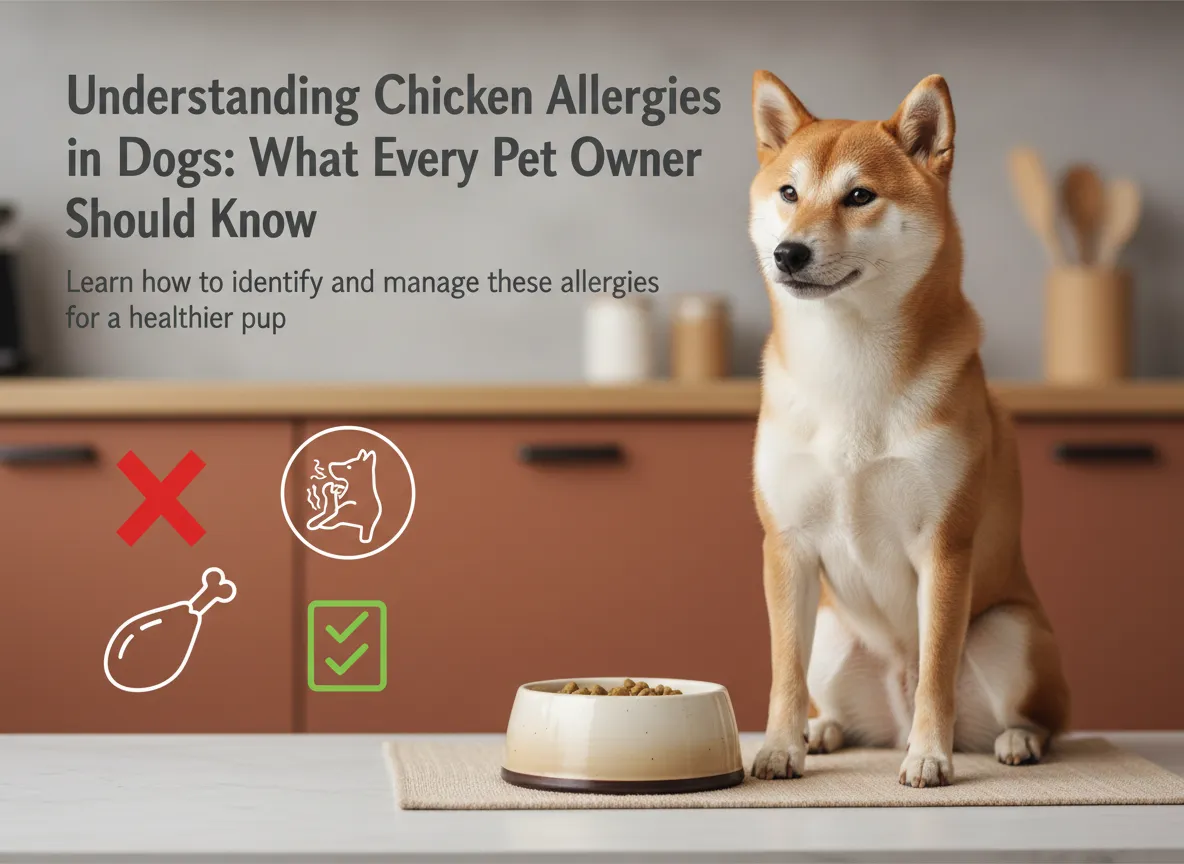
Chicken: A Common Ingredient in Dog Diets
Chicken is a popular ingredient in many dog foods, thanks to its affordability and nutritional benefits. However, while many dogs thrive on chicken-based diets, some canines develop allergies to this common protein source. Understanding the nuances of chicken allergies in dogs can help you ensure your furry friend remains healthy and happy.
What is a Chicken Allergy?
A chicken allergy in dogs occurs when their immune system mistakenly identifies chicken as a threat. This results in an allergic reaction, which can manifest in various ways, such as skin irritations, digestive issues, or respiratory problems. The prevalence of chicken in commercial dog foods makes it a frequent culprit of food allergies source.
Recognizing the Symptoms of Chicken Allergy
Allergic reactions in dogs can vary, making it crucial for pet owners to recognize the signs. Here are some common symptoms to watch for:
- Itchy Skin: Persistent scratching or licking, especially around the face, paws, and ears.
- Digestive Upset: Vomiting or diarrhea after consuming chicken.
- Respiratory Issues: Sneezing, coughing, or difficulty breathing.
If you notice these symptoms, consider consulting your veterinarian to confirm whether a chicken allergy is the underlying cause.
Diagnosing and Managing Chicken Allergies
The process of diagnosing a chicken allergy often involves an elimination diet. This entails removing chicken from your dog's diet and monitoring for symptom improvement. If symptoms subside, chicken may be the allergen. Our Nutrition Planner can help you create a balanced, chicken-free diet for your dog.
Alternative Protein Sources
Switching to alternative protein sources can help manage allergies effectively. Options include:
- Turkey: Similar in taste but less likely to cause allergies.
- Fish: Provides omega-3 fatty acids for healthy skin and coat.
- Lamb: Another hypoallergenic option often well-tolerated by dogs.
Practical Tips for Managing Chicken Allergies
- Read Labels Carefully: Ensure that chicken is not a hidden ingredient in your dog’s food.
- Introduce New Proteins Slowly: Gradually incorporate new proteins to observe any adverse reactions.
- Consult Regularly: Work with your vet to adjust your dog's diet as needed.
Tips for Managing Chicken Allergies
Consult your vet before changing your dog's diet.
Gradually introduce new proteins to monitor reactions.
Read food labels carefully to avoid hidden chicken.
Conclusion
Understanding and managing chicken allergies in dogs requires vigilance and a willingness to adapt your pet’s diet. By recognizing symptoms early and choosing suitable alternatives, you can ensure your dog leads a happy, healthy life. Engage with other pet owners on our blog and share your experiences!
You might also like
Is Vegan Dog Food a Healthy Choice? A New Study Weighs In
Aug 23, 2026
Discover if vegan dog food can meet your pup's nutritional needs while being digestible. What does the latest research reveal?
Why Dog Poop Isn't the Fertilizer You Think It Is
Jul 11, 2026
Discover why using dog poop as fertilizer is a risky idea and explore safer, more effective alternatives.

Tackling Dog Messes: A Guide to Cleaning Carpet Accidents
Jul 6, 2026
Discover effective methods for removing dog poop from carpets while learning about preventive care and maintaining a clean home.
Comments
No comments yet. Be the first to comment!
Anbefalt Hundeopplæring


Vi kan motta en provisjon hvis du kjøper gjennom disse lenkene (uten ekstra kostnad for deg).