Helping Your Dog Manage Excited Greeter Reactivity
Introduction
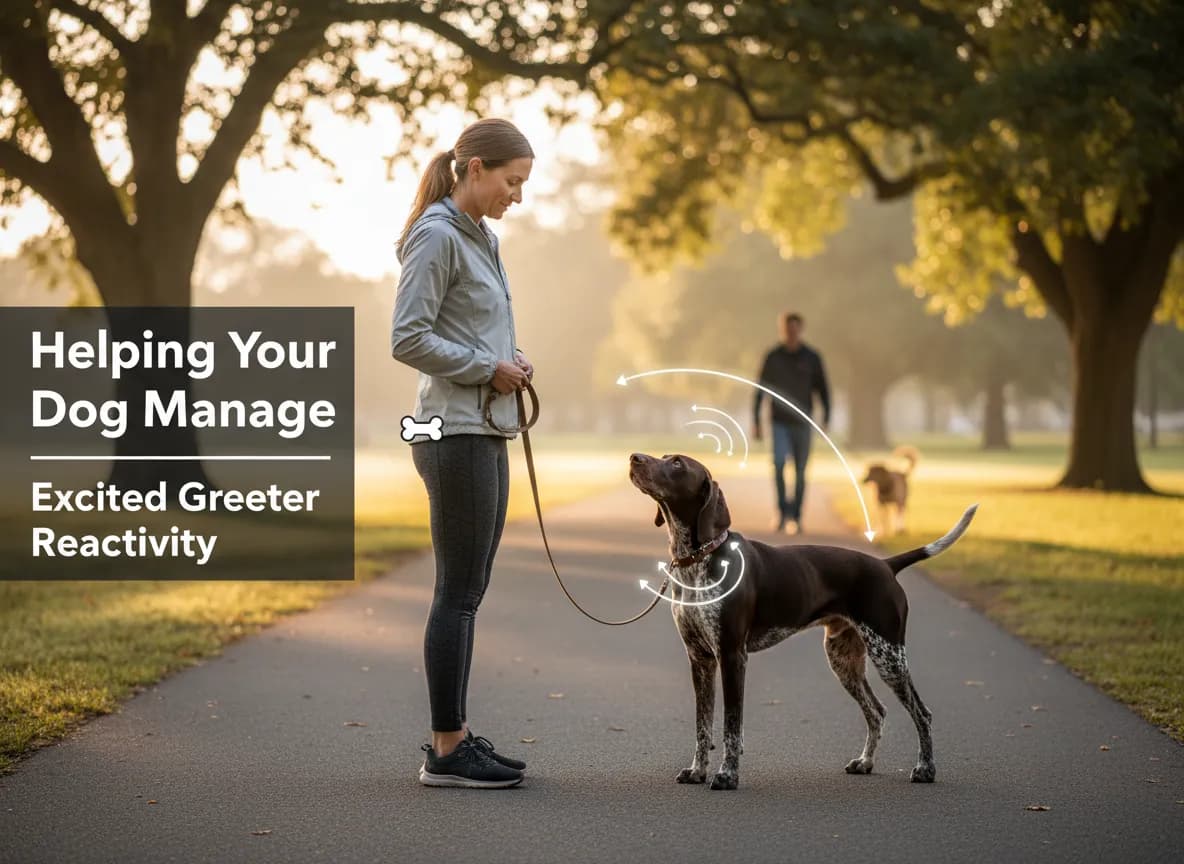
Walking your dog should be a relaxing and joyful experience for both you and your furry friend. However, when your dog becomes overly excited upon seeing other dogs, the walk can quickly turn into a tug-of-war, accompanied by barking and crying. This is a common issue for many dog owners, but the good news is that with patience and practice, you can help your dog manage this excited greeter reactivity.
Understanding and addressing this behavior is crucial to ensure your walks are enjoyable. Not only does this benefit your dog’s mental and emotional well-being, but it also enhances your bond with them.
Understanding Excited Greeter Reactivity
Before you can address your dog's reactivity, it's important to understand what it is and why it happens. Excited greeter reactivity is a behavior where a dog becomes overly enthusiastic at the sight of other dogs or people, often leading to pulling, barking, or crying. It's typically driven by a desire to engage, but it can be mistaken for aggression.
This behavior can occur due to a lack of socialization, high energy levels, or simply a friendly disposition. Each dog is unique, so it's vital to identify the specific triggers and motivations for your pet.
Techniques to Manage Reactivity
1. Training with LAT (Look at That)
The "Look at That" (LAT) technique is a positive reinforcement method that encourages your dog to notice triggers without becoming overly excited. Here's how you can implement it:
- Start at a Distance: Begin by exposing your dog to a mild trigger from a distance where they remain calm.
- Mark and Reward: When your dog notices the trigger, calmly say "yes" or use a clicker, then reward them with a treat.
- Gradual Exposure: Gradually decrease the distance to the trigger over time, continuing to reward calm behavior.
2. Use of a Harness
Switching from a collar to a harness can give you better control and reduce the strain on your dog’s neck if they pull. A Product Research can help you find the right harness for your dog.
3. Consistent Commands
Teach your dog simple commands such as "sit," "stay," or "focus" to redirect their attention. Consistency is key, so practice these commands regularly during walks.
Practical Tips for Immediate Application
- Daily Walks: Regular exercise helps reduce excess energy that can contribute to excitable behavior.
- Obedience Training: Enroll in a class or use an online Training Guide to reinforce positive behaviors.
- Calm Environment: Practice in a calm environment before gradually introducing more distractions.
- Use of Toys or Treats: Carry toys or high-value treats to redirect and reward your dog’s attention.
When to See a Professional
If your dog’s reactivity is severe or doesn’t improve with basic training, it may be time to consult a professional trainer or a behaviorist. They can provide personalized strategies and insight into your dog's behavior.
Practical Tips for Managing Reactivity
Start training at a distance where your dog remains calm.
Use a harness for better control during walks.
Consistently practice commands like 'sit' and 'focus'.
Reward calm behavior with treats and praise.
Conclusion
Helping your dog manage their excited greeter reactivity can be a rewarding process that strengthens your relationship and enhances your daily walks. Remember to be patient and consistent, and don’t hesitate to seek professional assistance when necessary. For more detailed behavior insights, explore our Dog Behavior Guide.
You might also like

6 Heartwarming Signs Your Dog Truly Trusts You
Aug 8, 2026
Discover the subtle signs that reveal your dog’s deep trust and learn how to nurture this precious bond.
Decoding the 'Guilty' Look: Do Dogs Really Feel Guilt?
Jul 19, 2026
Discover the truth behind your dog's 'guilty' look and what it really means for their behavior.
A Heartwarming Tale of Harmony Between Two Dogs
Jul 14, 2026
Discover how a rescue dog and an older dog found peace together, and learn tips for managing multi-dog households.
Comments
No comments yet. Be the first to comment!
Anbefalt Hundeopplæring


Vi kan motta en provisjon hvis du kjøper gjennom disse lenkene (uten ekstra kostnad for deg).