Understanding and Managing Rough Play in Dogs
The Joys and Challenges of Dog Playtime
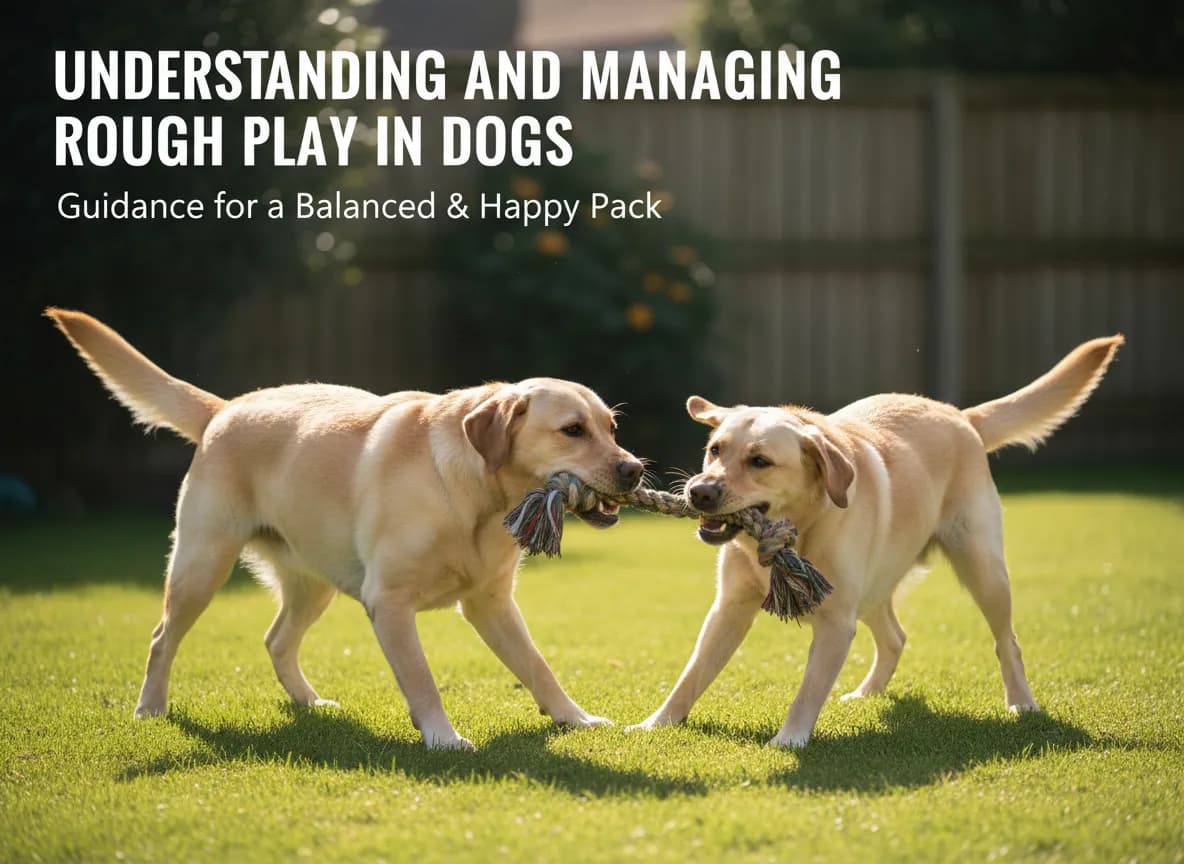
There's nothing quite as joyful as watching your dog romp around with its canine pals. However, sometimes, these playful interactions can become a bit too enthusiastic, turning a fun session into a tense situation. Understanding why dogs play rough and how to manage these interactions can make a world of difference for your furry friend.
Dogs, much like humans, have different play styles. Some are naturally more exuberant, while others are gentle and cautious. It's important to distinguish between normal roughhousing and potential aggression. Typically, playful dogs display loose and relaxed body language, wagging tails in wide arcs and bouncing around energetically. Problems arise when the play becomes too intense, causing tension where there was once harmony.
Why Do Dogs Play Rough?
Dogs may engage in rough play for several reasons. It could be due to excitement, a breed tendency, or simply a lack of understanding of social cues. Certain breeds, like Terriers and herding dogs, are predisposed to rougher, more persistent play styles. Recognizing these tendencies can help you manage your dog's behavior effectively.
Moreover, over-excitement is a common trigger for rough play. Some dogs reach a level of energy that they find difficult to control, leading to unintentional roughness. This is where an owner's intervention becomes crucial to prevent escalation.
Decoding Canine Body Language
Understanding canine body language can be incredibly helpful. When a dog's play starts to tip over into potential aggression, you'll notice changes: the body may stiffen, the tail might rise and wag in a stiffer manner, and eye contact can become intense rather than friendly. Learning to read these signs can help you step in before the situation escalates.
For a deeper dive into canine behavior, check out our Dog Behavior Guide for more insights into what your furry friend might be trying to communicate.
Strategies to Manage Rough Play
Here are some strategies to manage and prevent rough play:
- Reliable Recall: Training your dog to respond to a recall command like "come" or "here" can be a lifesaver. This command should be practiced consistently, especially in distracting environments such as dog parks.
- Distraction Techniques: If recall isn't working, redirect your dog's attention with a high-value treat, a favorite toy, or even a sudden noise to break the momentum.
- Physical Barriers: In situations where things escalate, using a physical barrier like an umbrella can help separate the dogs safely.
Setting Up for Success
Preventing rough play is not just about managing it when it happens. It's also about setting up play environments that suit your dog's temperament. Large group settings can be overwhelming, making it easier for dogs to become overstimulated. Opting for smaller play groups with familiar dogs can help ease them into social interactions more comfortably.
Practical Tips for Safe Play
- Start with short play sessions and gradually increase the time as your dog learns to self-regulate.
- Supervise playtimes to intervene when necessary and provide guidance.
- Use our Training Guide to reinforce positive play behaviors.
For more tips on ensuring your dog's well-being, explore our Daily Bonding Regimen to strengthen your connection.
Practical Tips for Managing Rough Play
Start with short play sessions and gradually increase the time.
Supervise playtimes to intervene when necessary.
Use reliable recall commands and distraction techniques.
Conclusion
Understanding and managing your dog's play behavior leads to happier and safer playtimes. By implementing these strategies and continuing to learn about canine behavior, you can ensure that your dog enjoys their social interactions without the risk of conflict. Share your experiences and tips with us on our blog!
For further reading, check out this detailed guide on canine play from PetMD.
You might also like
Why Does My Dog Lean Against Me? Unpacking the Canine Lean
Jun 12, 2026
Discover why dogs lean on us, what it means for your pup's comfort and trust, and how to interpret this affectionate behavior.
Understanding Puppy Barking: Causes and Solutions
Mar 17, 2026
Discover why puppies bark and how to help them settle for a peaceful home environment.

6 Heartwarming Signs Your Dog Truly Trusts You
Aug 8, 2026
Discover the subtle signs that reveal your dog’s deep trust and learn how to nurture this precious bond.
Comments
No comments yet. Be the first to comment!
Anbefalt Hundeopplæring


Vi kan motta en provisjon hvis du kjøper gjennom disse lenkene (uten ekstra kostnad for deg).