How to Manage Aggression in Your Young Dog and Enhance Obedience
Introduction
Bringing a young dog into your home can be a joyful experience, but it can also present challenges, especially when your dog starts showing signs of aggression. It's crucial to address these behaviors early on to ensure a safe and harmonious environment for everyone in the household.
In this article, we'll explore practical strategies to manage aggression in young dogs and improve their obedience, making your relationship with your dog more enjoyable and less stressful.
Understanding Aggression in Young Dogs
Aggression in dogs can stem from various factors, including fear, lack of socialization, or confusion about their role in the family pack. It's important to observe your dog's behavior closely to pinpoint triggers that lead to aggressive responses.
Common Triggers
- Strangers: New faces can provoke fear-based aggression, especially if your dog was not properly socialized as a puppy.
- Resource guarding: This occurs when a dog becomes possessive over food, toys, or even people.
- Lack of exercise: A bored dog often finds outlets for its pent-up energy, sometimes through aggressive behavior.
By understanding these triggers, you can start to implement changes that will address the root causes of your dog's aggression.
Enhancing Obedience
Ensuring your dog listens to all family members is vital for maintaining control and establishing boundaries. Here are some strategies to enhance obedience:
Consistent Training
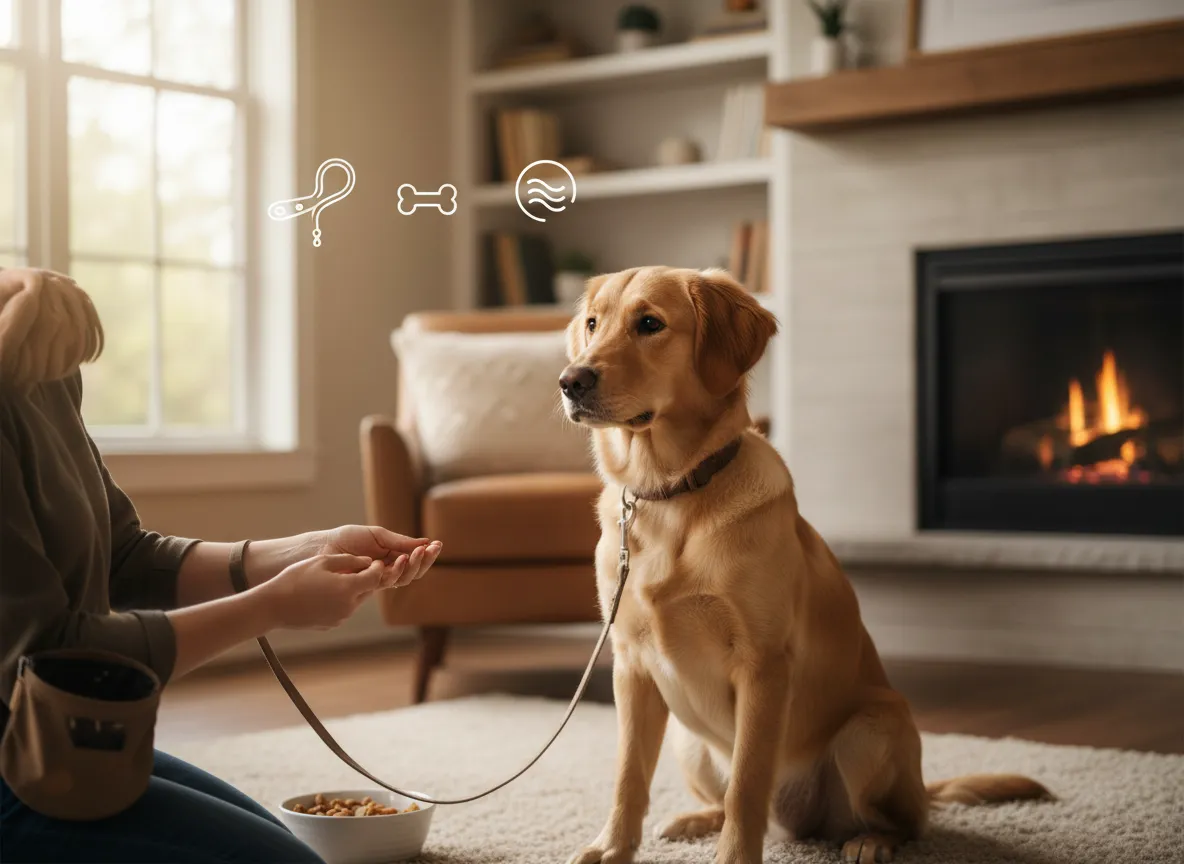
- Basic Commands: Reinforce basic commands such as sit, stay, and come. Consistency is key, and using our Training Guide can provide structured exercises to follow.
- Positive Reinforcement: Reward good behavior with treats or praise to reinforce positive actions.
Tips for Managing Aggression
Exercise your dog daily to reduce boredom-induced aggression.
Introduce your dog to new people and environments gradually.
Involve all family members in training sessions to ensure the dog listens to everyone.
Family Involvement
Encourage all family members to participate in training sessions. This will help your dog understand that it must respect and listen to everyone, not just one person.
Practical Tips to Address Aggression
- Exercise Regularly: Engage your dog in physical activities to burn off excess energy. This can reduce the likelihood of aggression due to boredom.
- Socialization: Gradually introduce your dog to new people and environments. Controlled interactions help reduce fear and anxiety.
- Professional Training: If the aggression persists, consider hiring a professional trainer. They can tailor a program specifically for your dog's needs.
- Use of Tools: Utilize tools like our Dog Behavior Guide for more insights into behavior management.
When to Seek Veterinary or Professional Help
If your dog's aggression is escalating or if you feel unsafe, it is crucial to seek a veterinary consultation or professional dog behaviorist. They can rule out medical causes and provide expert guidance tailored to your situation.
Conclusion
Managing a young dog's aggression and improving obedience requires patience, consistency, and often a willingness to seek professional help. By understanding your dog's triggers and implementing structured training, you can foster a loving and respectful relationship. For more insights and resources, check out our blog for ongoing support.
External resources such as the ASPCA's guide on dog aggression can also provide valuable information.
You might also like

6 Heartwarming Signs Your Dog Truly Trusts You
Aug 8, 2026
Discover the subtle signs that reveal your dog’s deep trust and learn how to nurture this precious bond.
Decoding the 'Guilty' Look: Do Dogs Really Feel Guilt?
Jul 19, 2026
Discover the truth behind your dog's 'guilty' look and what it really means for their behavior.
A Heartwarming Tale of Harmony Between Two Dogs
Jul 14, 2026
Discover how a rescue dog and an older dog found peace together, and learn tips for managing multi-dog households.
Comments
No comments yet. Be the first to comment!
Anbefalt Hundeopplæring


Vi kan motta en provisjon hvis du kjøper gjennom disse lenkene (uten ekstra kostnad for deg).