Navigating Love When Your Partner Isn't a Dog Person
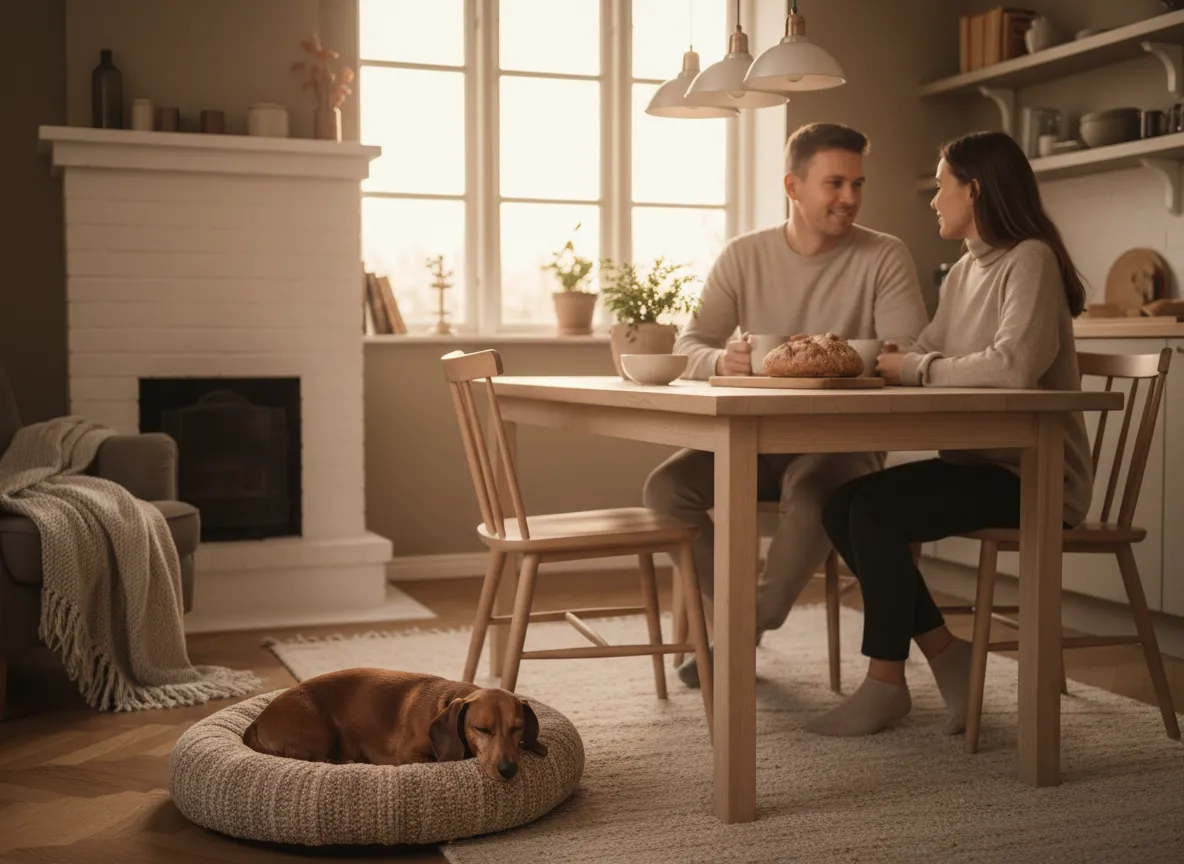
When Love and Paws Collide
Dogs are more than just furry companions—they're family. For many dog owners, the idea of sharing their life with someone who doesn’t share their love for dogs can be daunting. But what happens when your significant other isn’t exactly a dog person? Is it possible to find common ground and build a harmonious relationship?
The key lies in understanding and communication. A partner who is not fond of dogs could have various reasons behind their feelings. Maybe they had a negative experience, suffer from allergies, or simply never had pets growing up. Understanding these nuances is the first step in determining if a relationship can work.
Understanding Your Partner's Perspective
Before jumping to conclusions, it’s crucial to have an open conversation with your partner. Ask them about their past experiences with dogs and what makes them uncomfortable. Are they willing to try and adjust, or do they have firm boundaries? Recognizing whether their hesitance is a preference or a strict limit is essential.
In parallel, it’s equally important to express your own needs and the role your dog plays in your life. Is your pup allowed on the furniture? Are they part of family holidays? Knowing your non-negotiables can help identify if there’s a potential for compromise.
Bridging the Gap: Making It Work
If both partners are willing to try, there are several strategies to ease the transition. Keeping your dog well-groomed can significantly reduce the mess and allergens that might bother your partner. A regular grooming routine, tailored to your dog's specific needs, can create a more pleasant living environment.
Training is another crucial aspect. A well-behaved dog that understands boundaries and commands can make a world of difference. Our Training Guide offers valuable insights on how to establish clear rules without compromising your dog's well-being.
The Role of Communication and Compromise
Building a relationship requires effort from both sides. It’s about finding a balance that respects both parties' needs, including your dog's. Discussing boundaries and finding compromises like designated pet-free zones or shared activities can foster mutual respect and understanding.
Tips for Harmonious Coexistence
Maintain regular grooming to reduce allergens.
Set clear boundaries with training.
Engage in open communication with your partner.
Practical Tips for a Harmonious Household
- Regular Grooming: Maintain your dog's hygiene with consistent grooming to minimize allergens and odors.
- Training and Boundaries: Use our Dog Behavior Guide to reinforce positive behaviors in your dog.
- Open Communication: Regularly discuss any concerns with your partner to ensure both of you feel heard and valued.
When to Reassess
Despite best efforts, sometimes a relationship may not work out due to fundamental differences. It’s important to recognize when these differences are insurmountable and when it's time to walk away. Always prioritize the well-being of everyone involved, including your beloved canine companion.
For further reading, consider exploring resources like the American Kennel Club for more insights on dog care and compatibility.
Conclusion
Love and companionship can thrive when both partners are willing to understand and accommodate each other’s lives, including their furry family members. By fostering open dialogue and showing empathy, you can create a loving environment for both your partner and your dog. For more tips on maintaining a balanced life with your pet, visit our blog.
You might also like
Can Dogs Detect Where You've Been? Understanding Canine Scent Abilities
Jan 31, 2026
Explore whether dogs can smell where you've been and how their incredible noses work. Tips to engage your dog's sniffing skills.
Why Do Dogs Chew on Socks and Rocks? Understanding Their Quirky Habits
Aug 15, 2026
Discover why dogs chew on unusual items like socks and rocks, and learn how to manage these behaviors effectively.
Tackling Dog Messes: A Guide to Cleaning Carpet Accidents
Jul 6, 2026
Discover effective methods for removing dog poop from carpets while learning about preventive care and maintaining a clean home.
Comments
No comments yet. Be the first to comment!
Anbefalt Hundeopplæring


Vi kan motta en provisjon hvis du kjøper gjennom disse lenkene (uten ekstra kostnad for deg).