Why Does My Dog Eat Poop? Understanding and Addressing Coprophagia
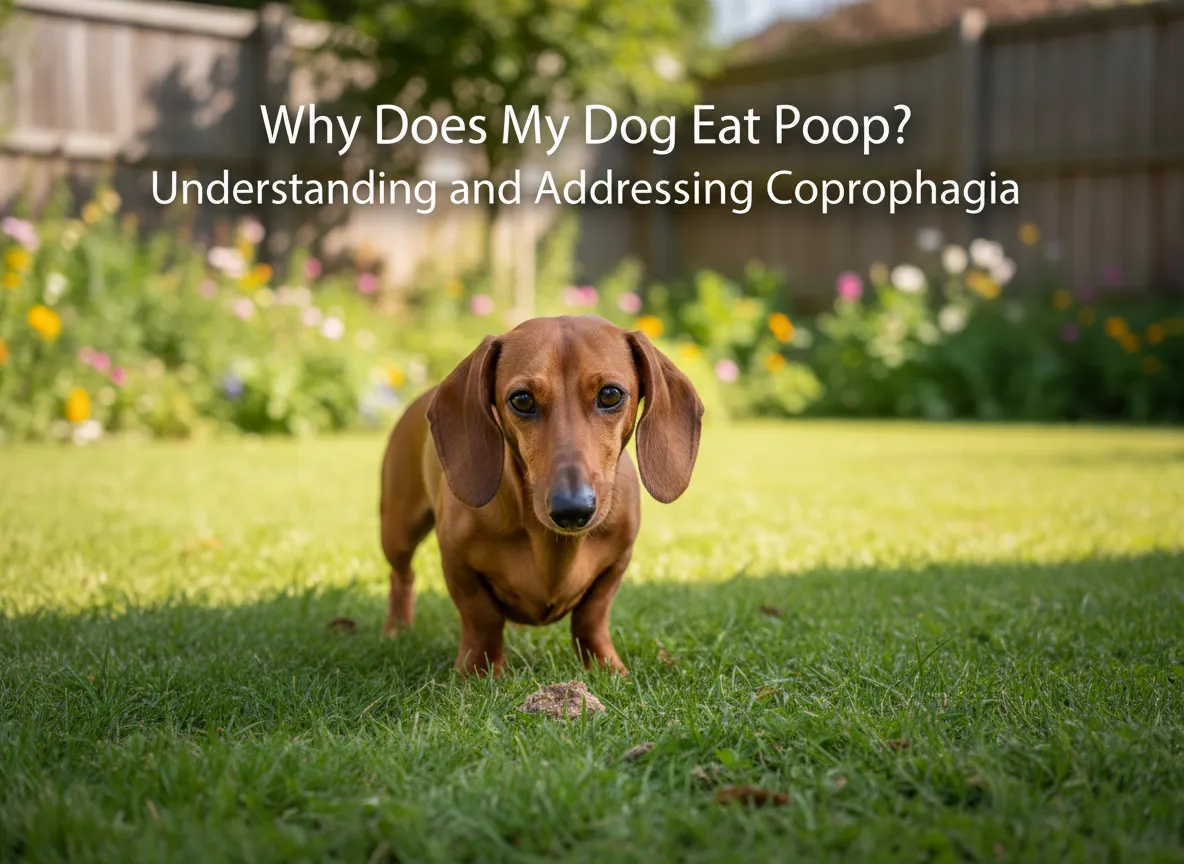
The Curious Case of Lulu: A Poop-Eating Pup
In the world of dog ownership, few behaviors perplex and alarm owners as much as coprophagia, the technical term for eating feces. Carlan, a devoted dog lover, recently rescued a charming dog named Lulu, only to discover that she has a peculiar penchant for poop. Despite Carlan's diligent efforts to clean up immediately and reward Lulu for her good behavior, she occasionally catches her trying to sneak a taste. Carlan suspects this behavior stems from Lulu’s past experiences with food scarcity, as she was notably underweight when rescued.
Understanding Coprophagia in Dogs
Coprophagia, while unsettling for humans, is not uncommon among dogs. It can arise from various factors, including nutritional deficiencies, behavioral issues, or simply as a leftover survival strategy from times of food insecurity. For dogs like Lulu, who may have experienced hunger or inconsistent care, eating feces might have developed as an adaptive behavior—a means to survive when food was scarce. Understanding the root cause is crucial for addressing the issue effectively.
The Science Behind the Behavior
Why Do Dogs Eat Poop?
- Nutritional Deficiencies: Sometimes, dogs eat feces if they lack certain nutrients or are not absorbing all their food properly. Ensuring a balanced diet is essential. Explore our Nutrition Planner for personalized guidance.
- Behavioral Conditioning: Dogs might develop this habit as a result of stress or boredom, especially if they were previously in environments where food was not consistently available. Regular mental and physical stimulation can help mitigate this.
- Instinctual Behavior: In some cases, dogs might eat feces as a natural instinct. For example, mother dogs often eat the feces of their puppies to keep the den clean.
Strategies to Curb Coprophagia
How to Deter Your Dog from Eating Feces
- Immediate Clean-Up: As Carlan does, removing feces promptly can prevent the behavior from continuing. This management technique is highly effective.
- Leash Training: During walks, using a leash can help guide your dog away from feces. Consistent training is key.
- High-Value Rewards: Enhance the reward system by providing high-value treats when your dog returns to you after eliminating. This can make the reward more appealing than the feces.
- Dietary Adjustments: Ensure your dog’s diet is complete and balanced. Consult a veterinarian if you suspect nutritional deficiencies. Check for toxic foods to keep your dog safe.
Consulting with a Veterinarian
If the behavior persists despite good management practices, it might be time to consult a veterinarian. Digestive issues, such as exocrine pancreatic insufficiency or intestinal parasites, could be contributing factors. Addressing these medical concerns is vital for your dog’s overall health.
Practical Tips to Implement Today
- Supervise and Prevent: Always supervise your dog during outdoor potty breaks to ensure feces are promptly removed.
- Engage and Exercise: Keep your dog entertained with toys and activities. A well-exercised dog is less likely to develop unwanted habits.
- Positive Reinforcement: Consistently reward desirable behavior to reinforce good habits over time.
Top Tips to Manage Coprophagia
Clean up feces immediately to remove temptation.
Use leash training to guide away from feces.
Provide high-value rewards to reinforce good behavior.
Conclusion: Patience and Persistence Are Key
Carlan’s journey with Lulu is a testament to the patience and consistency required to address coprophagia. With love, understanding, and the right strategies, even the most perplexing canine habits can be managed successfully. Connect with other pet parents on our blog to share experiences and learn from a community of dog lovers.
For more expert advice, explore the ASPCA's insights into dog behavior and health.
You might also like
Why Do Dogs Chew on Socks and Rocks? Understanding Their Quirky Habits
Aug 15, 2026
Discover why dogs chew on unusual items like socks and rocks, and learn how to manage these behaviors effectively.
Can Your Dog Sense When You're Unwell? Discover the Insights
Feb 13, 2026
Explore the remarkable ability of dogs to sense human illness. Learn how they pick up on changes in our bodies and emotions.
Why Is My Dog Suddenly Acting Famished?
Apr 15, 2026
Explore why your dog may suddenly seem hungrier than usual, including potential health triggers and behavioral insights.
Comments
No comments yet. Be the first to comment!
Anbefalt Hundeopplæring


Vi kan motta en provisjon hvis du kjøper gjennom disse lenkene (uten ekstra kostnad for deg).