Seasonal Allergies in Dogs: Symptoms and Relief
Introduction
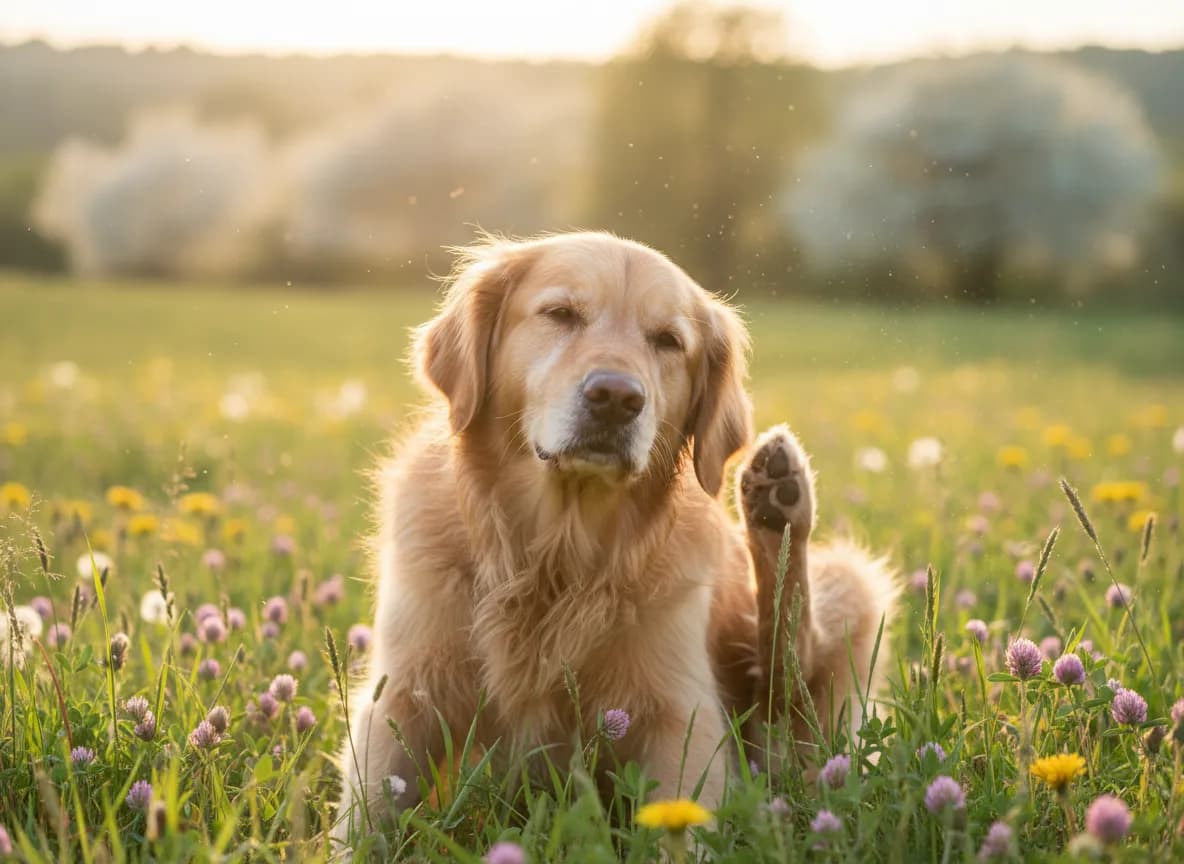
As the seasons change, so too can the comfort of our beloved canine companions. Just like humans, dogs can experience seasonal allergies that affect their quality of life. Recognizing and managing these allergies is crucial to maintaining your dog's health and happiness.
Seasonal allergies in dogs can be triggered by various environmental factors, such as pollen, dust mites, and mold spores. Understanding the symptoms and available relief options can help you effectively care for your dog during allergy season.
Recognizing Symptoms of Seasonal Allergies
Identifying seasonal allergies in dogs can be challenging since symptoms often mimic other conditions. However, being vigilant can help you notice the signs early:
- Itchy Skin: Your dog may scratch more frequently, or you might notice redness and irritation on their skin.
- Ear Infections: Allergies can cause persistent ear infections, leading to frequent shaking of the head or scratching at the ears.
- Watery Eyes and Runny Nose: Just like in humans, dogs may develop watery eyes or a runny nose during allergy season.
- Sneezing and Coughing: These are common respiratory symptoms that can indicate an allergic reaction.
If you notice these symptoms, consider using our Dog Behavior Guide to track your dog's habits and detect patterns.
Treatment Options for Allergy Relief
Once you've identified that your dog is suffering from seasonal allergies, you can explore various treatment options:
- Antihistamines: Over-the-counter antihistamines can be effective in reducing allergy symptoms. Always consult your vet before administering any medication.
- Omega-3 Fatty Acids: Supplements like fish oil can help reduce inflammation and promote healthier skin.
- Allergy Shots: For severe cases, allergy shots administered by a vet may provide long-term relief.
- Medicated Shampoos: Regular baths with hypoallergenic or medicated shampoos can soothe irritated skin.
For more detailed guidance, our Training Guide offers insights into incorporating these treatments into your dog's routine.
Reducing Allergen Exposure
Minimizing your dog's exposure to allergens can significantly alleviate their symptoms. Here are some effective strategies:
- Frequent Cleaning: Vacuum your home regularly to remove dust and pollen. Wash your dog's bedding and toys often.
- Limit Outdoor Time: During peak pollen times, consider limiting walks or outdoor play.
- Air Purifiers: Using an air purifier can help remove allergens from your home environment.
- Paw Cleaning: Wipe your dog's paws and coat after outdoor activities to remove pollen and other allergens.
These proactive steps can be part of your Daily Bonding Regimen to ensure your dog stays healthy and happy.
When to See a Vet
If your dog's symptoms persist or worsen despite these measures, it's important to consult your veterinarian. They can provide a detailed diagnosis and recommend prescription treatments if necessary. Veterinary advice is essential for effective management of severe allergies.
Conclusion
Seasonal allergies in dogs are manageable with the right approach. By recognizing the symptoms, exploring treatment options, and reducing allergen exposure, you can help your dog enjoy a more comfortable and healthy life. For more tips and advice, visit our blog and keep informed about the best practices for your furry friend's well-being.
For further reading on allergies and treatments, consider external resources from PetMD or the American Kennel Club.
You might also like
Why Do Dogs Chew on Socks and Rocks? Understanding Their Quirky Habits
Aug 15, 2026
Discover why dogs chew on unusual items like socks and rocks, and learn how to manage these behaviors effectively.
Understanding Hypertrophic Osteodystrophy and Panosteitis in Young Dogs
Jul 17, 2026
Learn about the differences between hypertrophic osteodystrophy and panosteitis in young dogs and how to care for affected puppies.
Heartwarming Bond: A Husky Teaches a Boy Lifelong Lessons
Jul 12, 2026
Discover the touching bond between a Siberian Husky and a young boy, highlighting the profound impact of pets in teaching responsibility.
Comments
No comments yet. Be the first to comment!
Anbefalt Hundeopplæring


Vi kan motta en provisjon hvis du kjøper gjennom disse lenkene (uten ekstra kostnad for deg).