Summer Heat Safety: Preventing Heatstroke in Dogs
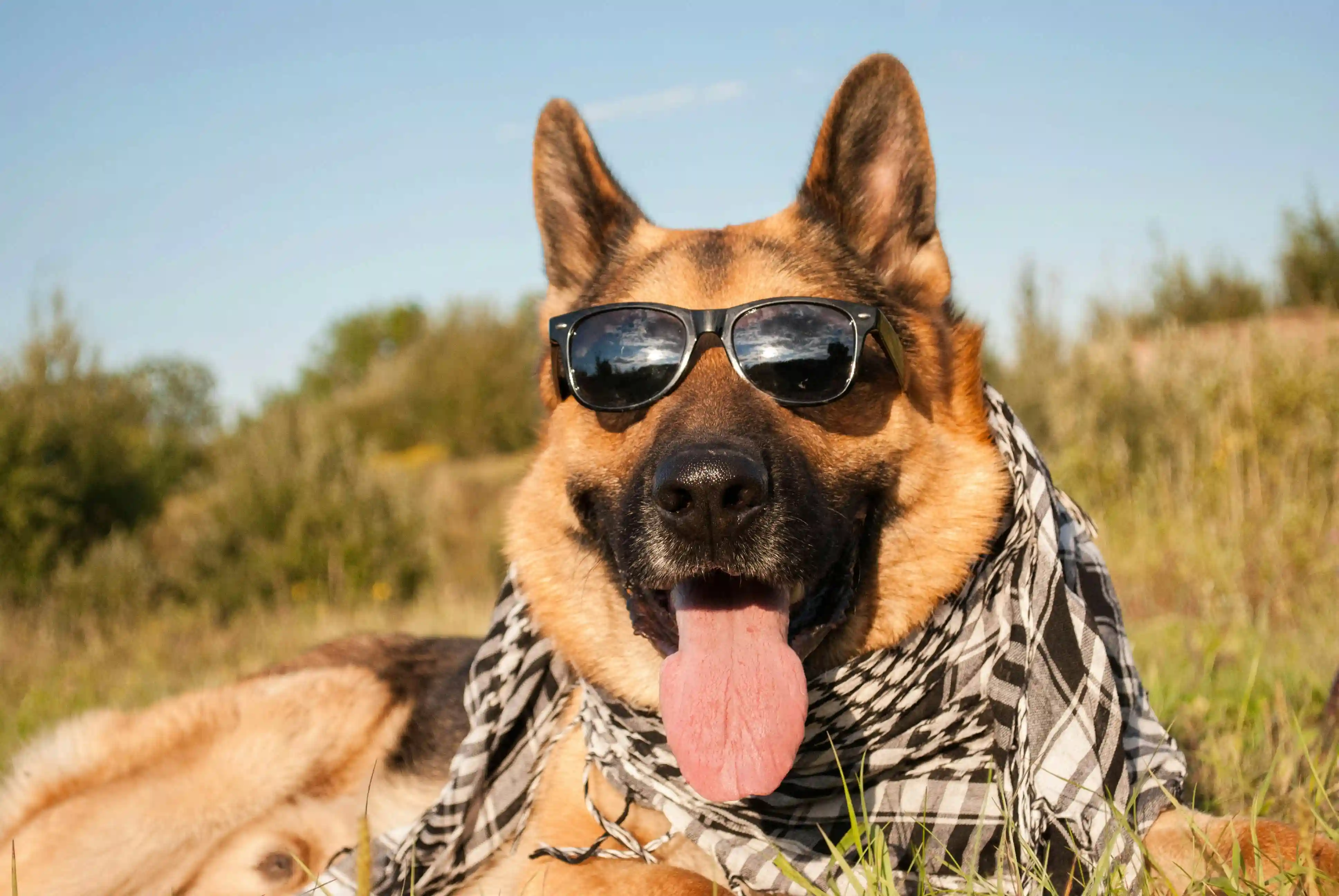
Introduction
As summer temperatures soar, it's crucial for dog owners to be mindful of their furry friends' safety. Dogs are more susceptible to heatstroke than humans due to their limited ability to sweat. Understanding how to prevent heatstroke can make the difference between a safe summer and a veterinary emergency.
This article will guide you through recognizing the signs of heat distress in dogs, effective cooling strategies, and how to keep your dog safe from hot pavement dangers.
Understanding Heatstroke in Dogs
Heatstroke occurs when a dog's body temperature rises to potentially dangerous levels, usually above 104°F (40°C). Unlike humans who sweat to cool down, dogs rely on panting and their paws' sweat glands. This makes them vulnerable in high heat, especially during vigorous activity or when left in confined spaces like cars.
Common Signs of Heatstroke:
- Excessive panting and drooling
- Increased heart rate
- Lethargy or confusion
- Vomiting or diarrhea
- Bright red gums or tongue
If these symptoms are present, it’s vital to take immediate action and consult a veterinarian quickly.
Temperature Thresholds and Risks
Temperature is a big factor in heat safety. Even temperatures as low as 70°F (21°C) can be dangerous if a dog is active in the sun. On hot days, you should monitor your dog closely or plan activities during cooler parts of the day, such as early mornings or late evenings.
Use our Daily Bonding Regimen to plan safe outdoor activities, ensuring they're appropriate for the current temperature.
Cooling Techniques for Dogs
Keeping your dog cool is essential during the summer months. Here are some effective techniques:
- Provide Plenty of Water: Always have fresh and cool water available. Consider adding ice cubes to their water bowl.
- Use Cooling Mats or Towels: Lay these on the ground for your dog to lie on. They're especially useful during travel or when resting indoors.
- Shade and Fans: Ensure your dog has access to shaded areas and place fans nearby to encourage airflow.
- Indoor Activities: On extremely hot days, engage your dog with indoor exercises or games. Our Training Guide offers a variety of indoor activities.
Hot Pavements and Dog Safety
Pavement and asphalt can become dangerously hot in the sun, posing a risk of burns to your dog's paws. Before heading out:
- Test the Pavement: Place the back of your hand on the ground. If it’s too hot to hold for more than a few seconds, it’s too hot for your dog.
- Protective Booties: Consider using dog booties or paw wax to shield your dog’s paws from hot surfaces.
- Walk on Grass: Opt for grassy areas rather than pavement during hot weather.
Practical Tips for Dog Owners
- Walk your dog during cooler times of the day.
- Ensure your dog has plenty of water and shade.
- Use cooling products like mats and vests.
- Be aware of the signs of heatstroke and act quickly if symptoms appear.
When to See a Vet
If you suspect your dog is experiencing heatstroke, seek veterinary help immediately. Quick intervention can save your dog's life.
Conclusion
Summer can be an enjoyable time for both you and your dog with the right precautions. By understanding the risks of heatstroke and employing effective cooling techniques, you can ensure your dog stays safe and healthy. For more tips and tools, visit our Dog Behavior Guide.
Remember, prevention is the best protection. Stay informed and enjoy a worry-free summer with your furry friend.
For additional resources, refer to ASPCA's guide on pet safety in summer.
You might also like
Celebrate Summer with Strawberry Treats for Your Dog
Jul 21, 2026
Discover delightful strawberry-inspired treats and toys for your dog this summer. Learn about the safe and healthy ways to include strawberries in their diet.
Why Mud Can Be More than Just Fun for Your Dog
Apr 25, 2026
Letting dogs play in mud can be risky. Learn how it affects their health and your home, plus how to keep them safe.

Effective Strategies for Administering Medication to Your Dog
Mar 5, 2026
Learn practical methods to ensure your dog takes their medication without a fuss, including tips for picky pups.
Comments
No comments yet. Be the first to comment!
Anbefalt Hundeopplæring


Vi kan motta en provisjon hvis du kjøper gjennom disse lenkene (uten ekstra kostnad for deg).