The Unseen Dangers Lurking in Tall Grass for Your Dog
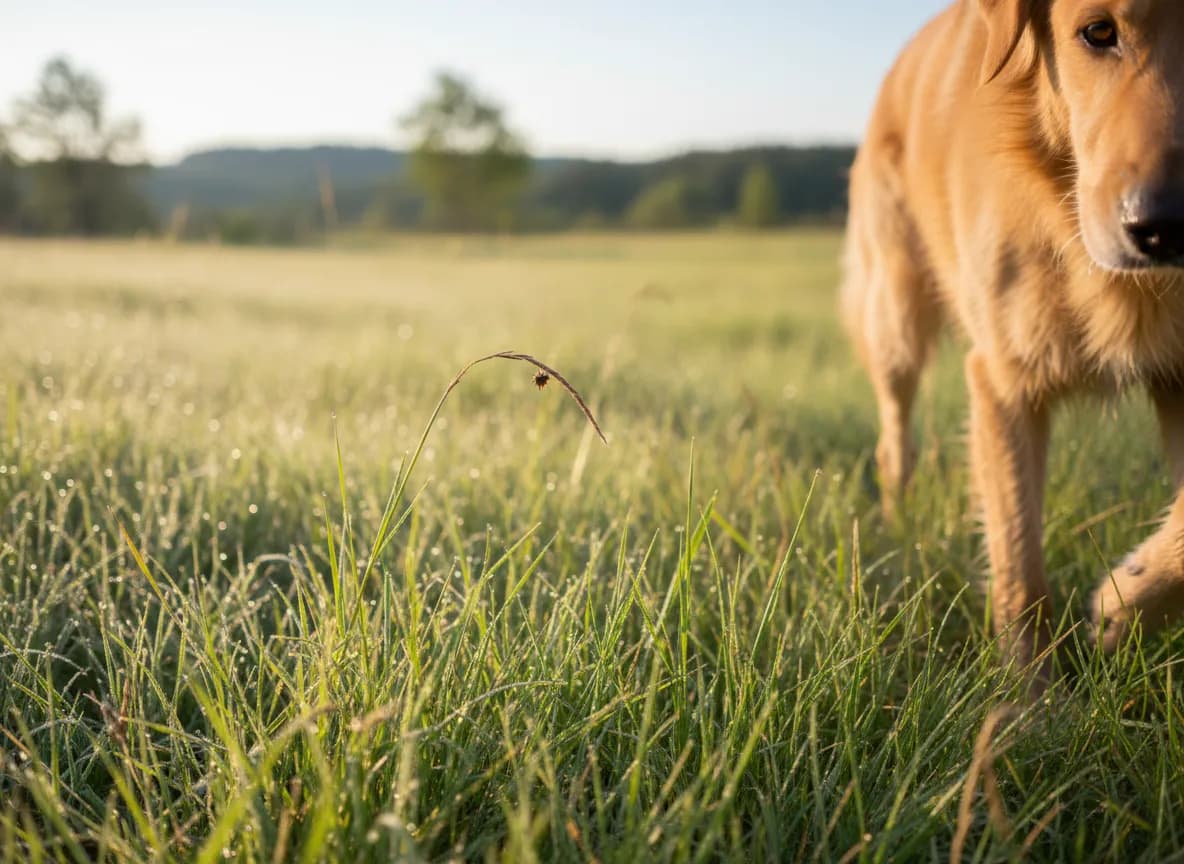
The Hidden Threat in Tall Grass
For many dog owners, a leisurely stroll through tall grass can be a delightful adventure for their furry companions. However, this seemingly harmless activity can expose your dog to a hidden danger—ticks. Typically, we worry about live ticks that cling to our dogs, but did you know that even dead ticks require your attention?
A dead tick on your dog might seem harmless, yet it can still pose risks if not properly handled. Dog lovers often breathe a sigh of relief upon finding a dead tick, assuming the danger has passed. But understanding why it's there and how to remove it safely is crucial for your dog's health.
Tick Sizes
Identifying a Dead Tick
Dead ticks can be tricky to spot. They often appear silvery white, dry, and brittle, unlike their darker, more vibrant living counterparts. The most reliable sign of a dead tick is its legs, which curl up towards its body. In contrast, a live tick's legs will stretch outward and may move slightly.
The size of ticks can vary significantly. An unfed tick is about the size of an apple seed, while a fully engorged one can grow as large as a pumpkin seed. Recognizing these differences can help you determine the tick's state.
Why Do Ticks Die on Dogs?
In most cases, dead ticks are a testament to effective flea and tick prevention treatments. Medications like Seresto work by killing ticks after they bite, proving the treatment's success. Alternatively, ticks might die due to trauma, such as your dog scratching or biting at them.
## How to Safely Remove a Dead Tick
Even though a dead tick can't transmit diseases, it's still essential to remove it because its mouthparts can remain embedded in your dog's skin, potentially causing irritation or infection. Removing a dead tick involves similar steps to a live one, with extra care to avoid squeezing or crushing it, as this could release residual blood back into your dog.
- Confirm the tick is dead and part your dog's fur to get a clear view.
- Use fine-tipped tweezers to grasp the tick as close to the skin's surface as possible.
- Gently pull upward with steady, even pressure. Avoid twisting or jerking, as this can cause the mouthparts to break off and remain in the skin.
- Clean the bite area and your hands with rubbing alcohol, an iodine scrub, or soap and water.
Safe Tick Removal Tips
Use fine-tipped tweezers to grasp the tick.
Pull upward with steady, even pressure.
Clean the bite area with rubbing alcohol.
The Importance of Tick Prevention
Ticks are capable of transmitting a variety of diseases, such as Lyme disease and ehrlichiosis, which can have severe health implications for your dog. Preventative measures are essential to protect your dog from these parasites.
- Use preventive treatments: Regular use of vet-recommended flea and tick preventatives can significantly reduce the risk.
- Regular checks: After outdoor activities, thoroughly check your dog for ticks, especially in hidden areas like ears and between toes.
- Maintain your yard: Keep grass and shrubbery trimmed to minimize tick habitats.
When to Seek Veterinary Advice
While removing ticks is something you can usually handle at home, certain situations warrant a visit to the vet. If you notice excessive swelling, redness, or if your dog exhibits signs of illness such as fever or lethargy, it's time to consult with your veterinarian.
Final Thoughts
Ensuring your dog is safe from ticks is an ongoing responsibility. By understanding the risks and knowing how to handle both live and dead ticks, you're taking critical steps in safeguarding your furry friend's health. For more detailed guidance on dog care, explore our Dog Behavior Guide and Training Guide. For further reading, check out this informative guide on tick prevention.
As part of our community of dog lovers, share your experiences and tips on handling ticks in the comments below. Together, we can ensure our dogs enjoy the great outdoors safely!
You might also like

The Joy and Risks of Muddy Adventures with Your Dog
Jun 30, 2026
Discover the joys and hidden risks of letting your dog play in mud. Learn how to keep them safe and your home clean.

Unseen Kitchen Hazards: Spices That Can Harm Your Dog
Jun 10, 2026
Discover which kitchen spices are safe for dogs and which can lead to a trip to the vet. Protect your furry friend with this essential guide.

Understanding Dog Congestion: Causes and Care Tips
Apr 8, 2026
Explore the causes of dog congestion, learn how to care for your furry friend, and find out when to seek veterinary help.
Comments
No comments yet. Be the first to comment!
Anbefalt Hundeopplæring


Vi kan motta en provisjon hvis du kjøper gjennom disse lenkene (uten ekstra kostnad for deg).