Understanding Dog Congestion: Causes and Care Tips
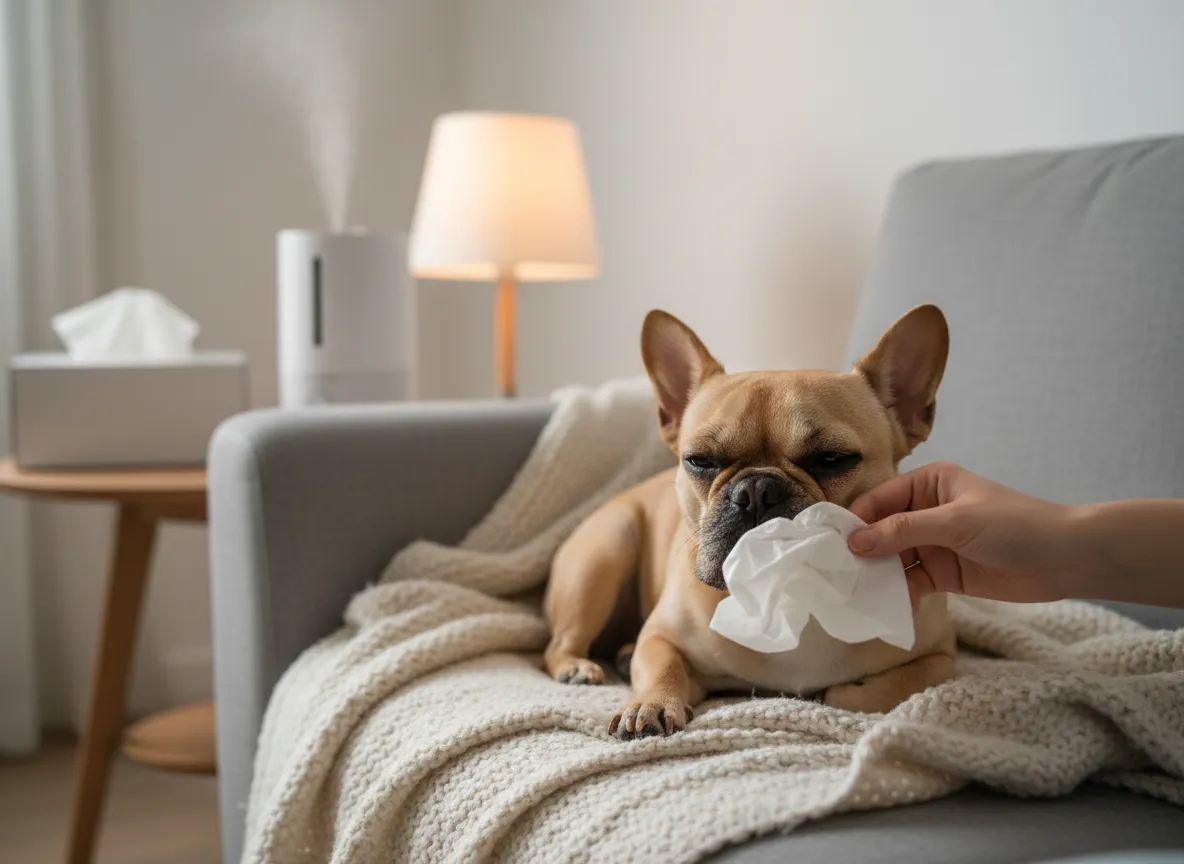
Is Your Dog Snorting and Snuffling?
If you've noticed your dog making unusual snorting or snuffling sounds, you're not alone. Many dog owners experience moments when their beloved pets sound congested, much like humans do when battling a cold. While it can be alarming, understanding the root causes and solutions can help ease your worries.
Common Symptoms of Dog Congestion
Just like humans, dogs can show signs of congestion through a variety of symptoms:
- Wet, noisy breathing through the nose
- Persistent snorting and snoring
- Frequent sneezing
- Nasal discharge
- Coughing fits
- Breathing with an open mouth
In severe cases, these symptoms can escalate to gagging or vomiting, especially after intense coughing. If your dog's breathing becomes labored, immediate veterinary care is crucial.
Why Does My Dog Sound Congested?
Several factors can lead to congestion in dogs, ranging from mild to serious:
- Upper Respiratory Infections: Often caused by bacteria, viruses, or fungi.
- Allergies: Pollen, dust, and other irritants can affect sensitive dogs.
- Foreign Objects: Sometimes a tiny object lodged in the nasal passage can cause issues.
- Heart Conditions: Chronic heart failure or heartworms might be the underlying cause.
- Environmental Factors: Dogs in crowded or unsanitary conditions are more susceptible.
Certain breeds, such as brachycephalic dogs (those with flat faces), are naturally more prone to congestion due to their unique anatomy. Dog Behavior Guide can offer insight into how breed traits affect health.
How to Help Your Congested Dog
If you suspect your dog is experiencing mild congestion, here are some home remedies to try:
- Rest and Recovery: Encourage your dog to rest to reduce strain on their airways.
- Humidity Boost: Use a humidifier or have your dog spend time in a steamy bathroom.
- Hydration is Key: Ensure constant access to fresh water to help thin mucus.
- Balanced Diet: A well-rounded diet supports the immune system. Check our Nutrition Planner for tailored diet advice.
- Nose Cleaning: Gently wipe away nasal discharge to keep nostrils clear.
Tips for Managing Dog Congestion
Encourage your dog to rest and recover.
Use a humidifier to increase air moisture.
Ensure your dog stays hydrated.
When to Visit the Vet
While many cases of congestion resolve on their own, persistent symptoms, especially when accompanied by other signs of illness, warrant a veterinary visit. Your vet might prescribe medications like steroids or antibiotics, depending on the underlying cause.
Practical Tips for Dog Owners
- Monitor Symptoms: Keep a diary of your dog's symptoms and any changes.
- Regular Check-Ups: Schedule regular vet visits to catch potential issues early.
- Vaccinations: Keep your dog's vaccinations up-to-date to prevent infections.
Stay informed and proactive about your dog's health. For more tips, explore our blog and learn from experts.
Conclusion
Congestion in dogs can be concerning, but with the right knowledge and resources, you can ensure your furry friend gets the care they need. Remember, if in doubt, consult your veterinarian for guidance and peace of mind.
You might also like
The Unseen Dangers Lurking in Tall Grass for Your Dog
Apr 4, 2026
Discover why even dead ticks pose a risk to your dog and learn how to safely remove them.
What to Do If Your Dog Eats an Absorbent Pad: A Quick Guide
Mar 2, 2026
Discover how to handle the situation if your dog ingests a meat absorbent pad. Learn practical steps and when to seek professional help.
Why Do Dogs Chew on Socks and Rocks? Understanding Their Quirky Habits
Aug 15, 2026
Discover why dogs chew on unusual items like socks and rocks, and learn how to manage these behaviors effectively.
Comments
No comments yet. Be the first to comment!
Anbefalt Hundeopplæring


Vi kan motta en provisjon hvis du kjøper gjennom disse lenkene (uten ekstra kostnad for deg).