Understanding Puppy Barking: Causes and Solutions
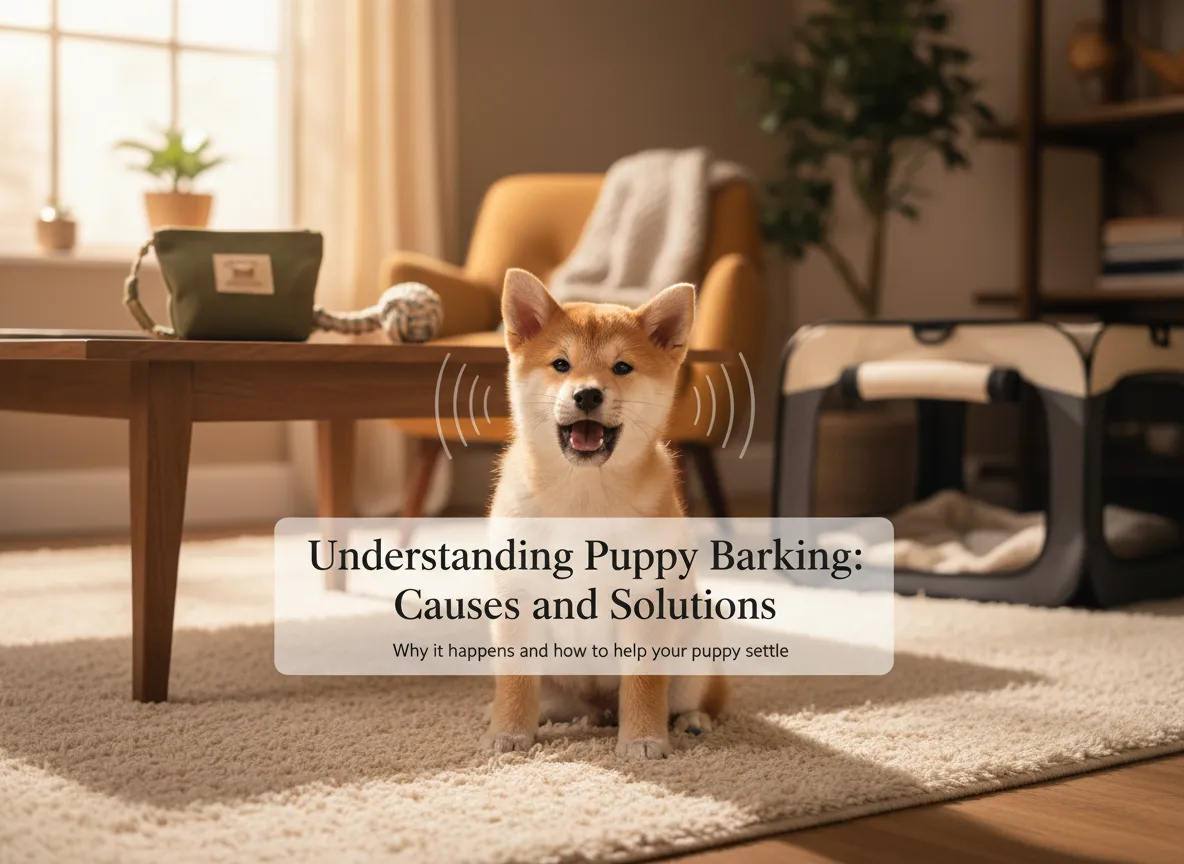
A Chatty Beginning: Why Puppies Bark?
Bringing a new puppy into your home is an exciting adventure, full of wagging tails and playful antics. However, one common challenge many new dog owners face is excessive barking. While some barking is a normal part of canine communication, understanding why puppies bark excessively is key to helping them settle comfortably into their new environment.
Puppies, like human babies, use their voices to express needs and emotions. Whether they're feeling hungry, tired, or needing a bathroom break, barking is their way of getting your attention. Additionally, puppies might bark out of excitement or frustration during playtime or when they encounter new experiences.
## Unpacking the Causes of Barking
Recognizing the reasons behind your puppy's barking is the first step towards addressing the behavior. Here are some common causes:
- Attention Seeking: Puppies often bark to get attention from their owners. They might be signaling that they want to play or need something.
- Fear or Anxiety: New environments or loud noises can be intimidating, leading to fear-induced barking.
- Boredom: Just like humans, dogs can get bored. A lack of mental or physical stimulation can result in vocalizing their frustration.
For more tips on understanding your puppy's behavior, check out our Dog Behavior Guide.
## Strategies to Help Your Puppy Settle
Addressing excessive barking involves patience and consistency. Here are some effective strategies:
- Training and Socialization: Introduce your puppy to a variety of environments, people, and other animals. This helps them feel more secure and less likely to bark out of fear. Consider using our Training Guide for structured exercises.
- Positive Reinforcement: Reward your puppy with treats or praise when they are quiet. This encourages them to associate silence with positive outcomes.
- Routine and Exercise: Establish a daily routine that includes regular exercise to help burn off excess energy that might otherwise be channeled into barking.
To learn more about creating a routine, visit our Daily Bonding Regimen.
Tips for Managing Puppy Barking
Ignore attention-seeking barking until your puppy is quiet.
Use puzzle toys to provide mental stimulation.
Create a calm environment with a safe space for your puppy.
Practical Tips for Puppy Bark Management
- Ignore Unwanted Barking: If your puppy is barking for attention, try not to respond immediately. Waiting until they stop before giving them attention can discourage this behavior.
- Provide Mental Stimulation: Use puzzle toys or interactive games to keep your puppy's mind occupied and reduce boredom-related barking.
- Calm Environment: Create a quiet, safe space for your puppy to retreat to when they feel overwhelmed.
Conclusion
Puppy barking is a natural part of their development, but with the right approach, it's possible to encourage more peaceful behavior. By understanding the reasons behind their barking and implementing positive training techniques, you can foster a harmonious relationship with your new furry friend. For more insights into dog behavior and training, explore our blog for further resources.
External resources like PetMD provide additional information on managing barking behavior.
You might also like

Why Does My Dog Lean Against Me? Unpacking the Canine Lean
Jun 12, 2026
Discover why dogs lean on us, what it means for your pup's comfort and trust, and how to interpret this affectionate behavior.

Understanding and Managing Rough Play in Dogs
Apr 20, 2026
Learn why dogs play rough and discover simple strategies to manage their behavior, ensuring safe and fun playtime for all.

6 Heartwarming Signs Your Dog Truly Trusts You
Aug 8, 2026
Discover the subtle signs that reveal your dog’s deep trust and learn how to nurture this precious bond.
Comments
No comments yet. Be the first to comment!
Anbefalt Hundeopplæring


Vi kan motta en provisjon hvis du kjøper gjennom disse lenkene (uten ekstra kostnad for deg).