Understanding and Addressing Swollen Salivary Glands in Dogs
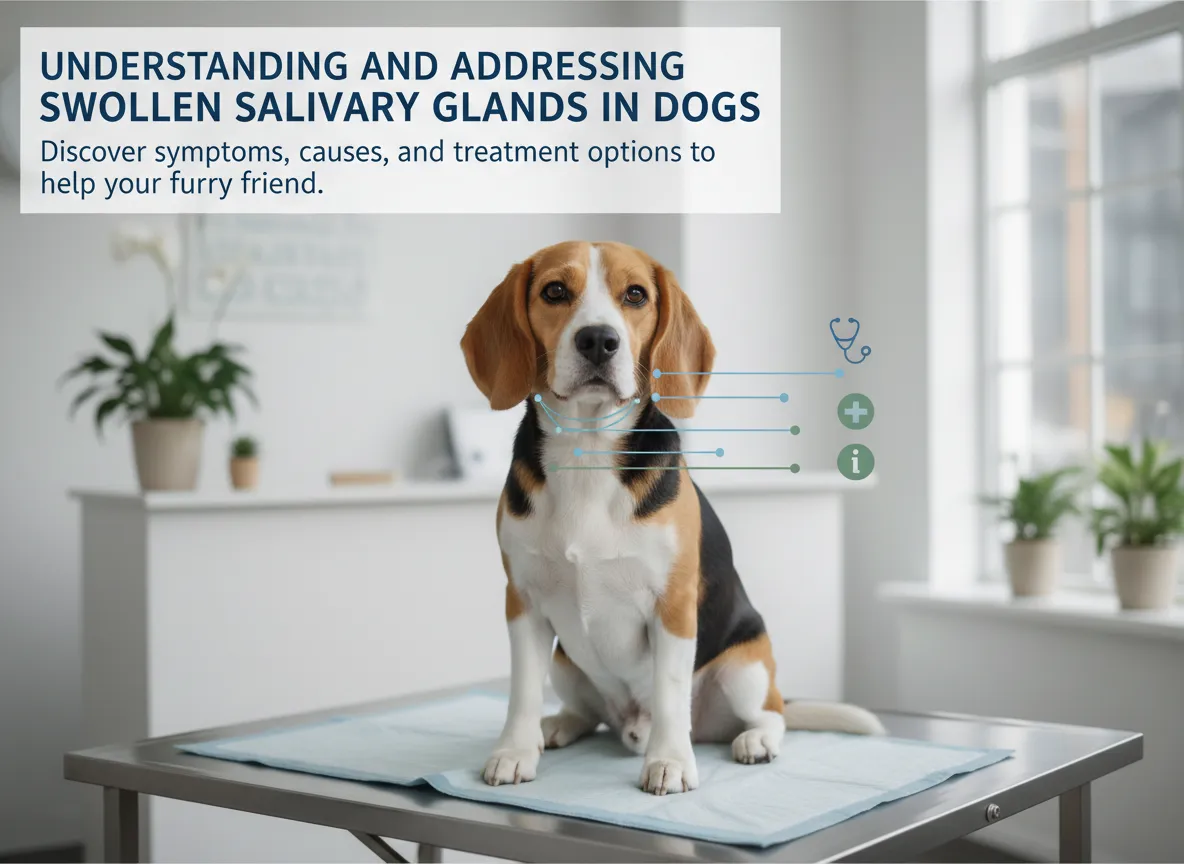
A Surprising Discovery
Imagine noticing a sudden swelling on your dog's cheek or neck—it's unsettling, right? Such swelling can often be attributed to a swollen salivary gland, a condition that might seem alarming but is manageable with the right care. Many dog owners may be unaware of this issue until they observe a noticeable change in their pet's appearance or behavior.
Dog salivary glands are vital for lubricating the mouth and aiding digestion. They can occasionally become swollen due to damage or infection, leading to discomfort for your canine companion. Let's delve into the world of canine salivary glands to better understand and address this condition.
Key Facts About Dog Salivary Glands
8
Salivary glands in dogs
Dogs have eight salivary glands in total, arranged in pairs.
Most common
Symptom
Swelling is the most common symptom of salivary gland issues.
What Are Dog Salivary Glands?
Dogs possess eight salivary glands, symmetrically arranged with four on each side of their faces. These include the sublingual glands under the tongue, the parotid glands near each ear, the zygomatic glands beneath the eyes, and the mandibular glands at the jaw's base. These glands are crucial for saliva production, which helps in mouth lubrication and the initial stages of digestion.
Causes of Swollen Salivary Glands
Swollen salivary glands can be caused by a variety of factors. Often, the cause is unknown, but potential triggers include:
- Bite wounds or traumatic injuries from chewing on hard or sharp objects.
- Collar injuries, especially from choke collars or abrupt jerks.
- Infections, which could stem from wounds or be blood-borne.
- Stones (sialoliths) forming within the glands.
- Tumors, which might be benign or malignant.
Each of these causes can lead to saliva leakage and pooling, which irritates surrounding tissues and results in swelling.
Identifying the Symptoms
The most noticeable sign of a swollen salivary gland is swelling itself, which varies based on which gland is affected. For instance, sublingual glands cause swelling inside the mouth, zygomatic glands affect the cheek area, and parotid or mandibular glands influence the jaw and neck.
Severe swelling can obstruct the throat, causing difficulty swallowing or breathing—this is a medical emergency requiring immediate veterinary attention. Common conditions include:
- Sialocele: Soft, painless swelling from pooled saliva.
- Sialadenitis: Painful inflammation, potentially leading to excessive drooling and eating difficulties.
- Sialoliths: Painful stones blocking salivary ducts, affecting eating and drinking.
- Tumors: May cause drooling, pain, or weight loss.
Diagnosing and Treating Swollen Glands
Veterinarians diagnose based on the feel of the swelling, symptoms, and tests like fine-needle aspiration, bloodwork, or X-rays. Treatment often involves surgery to remove the damaged gland. Post-surgery, dogs typically recover well, regaining comfort and quality of life.
Educating Yourself on Canine Salivary Health
Preventive Tips for Dog Owners
Ensure regular vet visits to catch potential issues early.
Monitor your dog's play to prevent gland-related injuries.
Use harnesses instead of choke collars to minimize neck injuries.
Understanding Canine Salivary Glands
Understanding the role and health of your dog's salivary glands is essential. These glands play a significant role in digestion and oral health. Keeping them healthy is integral to your dog's overall well-being.
Recognizing Symptoms Early
Early detection of symptoms such as unusual swelling or drooling can prevent complications. Regularly check your dog's neck and face for any abnormalities and consult a vet if you notice anything unusual.
Preventive Measures
Taking preventive measures can significantly reduce the risk of gland issues. Avoid using choke collars, supervise your dog's playtime to prevent injuries from sticks or sharp objects, and maintain regular vet check-ups.
Practical Tips for Dog Owners
- Regular Vet Visits: Ensure your dog has regular veterinary check-ups to catch any potential issues early.
- Safe Play: Monitor your dog's play to prevent injuries that might affect the salivary glands.
- Collar Safety: Use harnesses instead of choke collars to minimize neck injuries.
Conclusion
Swollen salivary glands in dogs, while concerning, are manageable with timely veterinary care and preventive measures. By understanding the causes, symptoms, and treatments, you can ensure your dog remains healthy and happy. Share your experiences or questions with our community on our blog. For more detailed information on dog health, explore our Dog Behavior Guide and Training Guide.
For additional authoritative advice, consider reading more from organizations like the AKC or PetMD.
You might also like
Understanding Hypertrophic Osteodystrophy and Panosteitis in Young Dogs
Jul 17, 2026
Learn about the differences between hypertrophic osteodystrophy and panosteitis in young dogs and how to care for affected puppies.
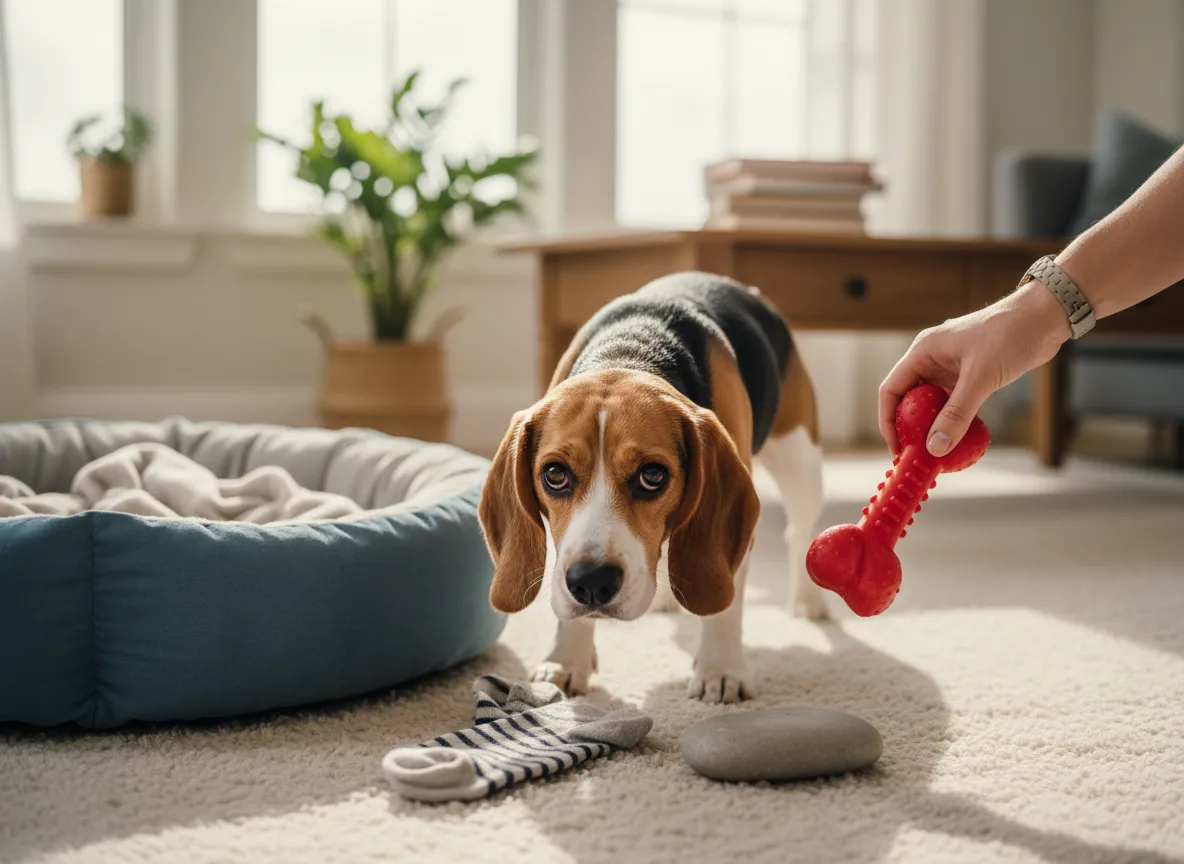
Why Do Dogs Chew on Socks and Rocks? Understanding Their Quirky Habits
Aug 15, 2026
Discover why dogs chew on unusual items like socks and rocks, and learn how to manage these behaviors effectively.

The Joy and Risks of Muddy Adventures with Your Dog
Jun 30, 2026
Discover the joys and hidden risks of letting your dog play in mud. Learn how to keep them safe and your home clean.
Comments
No comments yet. Be the first to comment!
Anbefalt Hundeopplæring


Vi kan motta en provisjon hvis du kjøper gjennom disse lenkene (uten ekstra kostnad for deg).