Understanding Dog Tremors: Causes and Care Tips
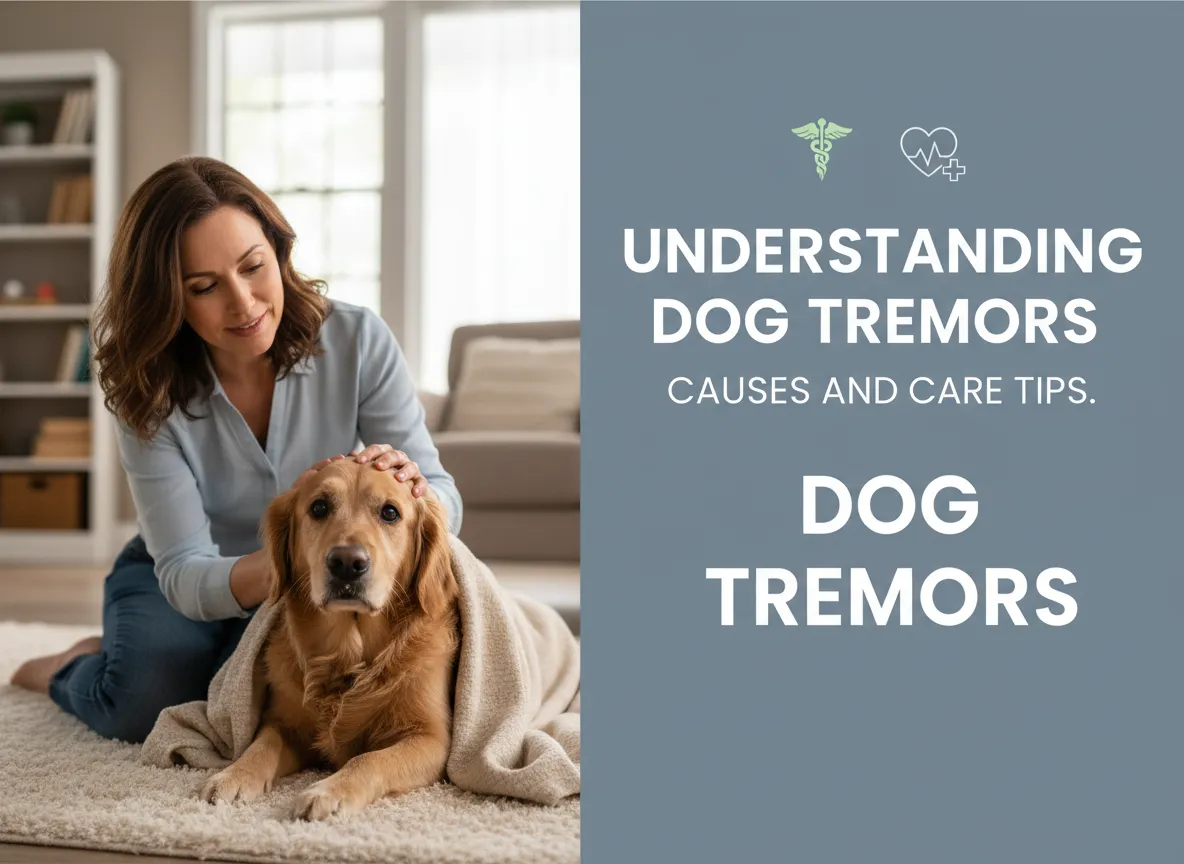
Discovering the Mystery Behind Dog Tremors
Imagine noticing your beloved dog's muscles twitching unexpectedly. It might be just a small, harmless shiver or something more extensive affecting a larger part of their body. These tremors can vary in intensity and speed, sometimes going unnoticed by your furry friend, or causing them discomfort and hindering their movement. While mild tremors are often nothing to worry about, those that persist or worsen may require attention.
In some cases, tremors can signal an emergency, especially if your dog appears lethargic, nonresponsive, or is vomiting. This is particularly critical for dogs that have recently given birth. A severe muscle cramp, characterized by painful tightness, can also cause significant distress, often resulting from overuse, dehydration, or an electrolyte imbalance. A quick video capture of your dog's behavior can be invaluable for your veterinarian to diagnose the issue efficiently.
The Science Behind Twitching and Shaking
The involuntary movement of your dog's muscles, known as twitching, tremors, or spasms, can have various underlying causes. These involuntary contractions may result from situations as benign as shivering from cold or as serious as ingesting toxins. Understanding the potential reasons can help you determine the best course of action.
Common Causes of Dog Tremors
- Cold: Dogs, like humans, can shiver when they feel cold.
- Anxiety or Stress: Emotional distress can manifest physically.
- Dreaming: Muscle movements during sleep are normal.
- Exercise Fatigue: Overexertion can lead to muscle fatigue.
- Pain: Physical discomfort can cause spasms.
- Dehydration: Lack of fluids affects muscle function.
- Excitement: High energy levels can lead to involuntary movement.
- Toxin Ingestion: Consuming harmful substances like certain foods or chemicals.
- Low Blood Glucose: Hypoglycemia is a concern, especially for small breeds.
- Idiopathic Tremors: Sometimes, the cause remains unknown.
Age-Related Considerations
Puppies often experience muscle spasms during sleep as their bodies develop. If your puppy is healthy otherwise, these twitches are usually harmless. Senior dogs, on the other hand, might experience tremors due to fatigue, as muscle mass tends to decrease with age.
Dangerous Toxins for Dogs
Awareness of substances that can cause tremors is crucial for dog owners. If you suspect your dog has ingested any toxins such as caffeine, chocolate, certain medications, or even household products like insecticides, contact your vet or a poison control hotline immediately. Delay can be life-threatening.
Practical Tips for Managing Dog Tremors
- Keep Your Dog Warm: Ensure they have a comfortable environment, especially in colder weather.
- Monitor Their Diet: Avoid foods and substances that are known toxins. Use our Toxic Foods Checker to stay informed.
- Stay Hydrated: Ensure your dog has access to fresh water at all times.
- Regular Vet Check-ups: Routine health checks can catch potential issues early.
Tips for Managing Dog Tremors
Ensure your dog stays warm, especially in colder environments.
Regularly check their diet and avoid known toxins.
Maintain hydration with constant access to fresh water.
Schedule regular vet check-ups to catch issues early.
Conclusion
Dog tremors can be concerning, but understanding their causes and knowing how to respond can alleviate worry. Always observe your dog's behavior and consult with professionals when needed. Connect with fellow dog enthusiasts on our blog to share experiences and advice. For more personalized care tips, explore our Dog Behavior Guide.
You might also like
Protecting Pooches: The Ultimate Guide to Dog Sunscreen
Jun 9, 2026
Learn why sunscreen is essential for dogs, the best types available, and how to apply it safely for your furry friend.

Essential Dog First Aid Kits: Be Prepared for Pet Adventures
Jun 1, 2026
Dog first aid kits are crucial for addressing minor injuries quickly and effectively, ensuring you're always prepared for your pet's adventures.

Understanding Restlessness in Dogs: A Sign of Pain?
Jul 8, 2026
Restlessness in dogs might indicate pain. Learn the signs and how to help your furry friend find comfort.
Comments
No comments yet. Be the first to comment!
Anbefalt Hundeopplæring


Vi kan motta en provisjon hvis du kjøper gjennom disse lenkene (uten ekstra kostnad for deg).