Understanding the 'Guilty' Look: What Your Dog's Expressions Really Mean
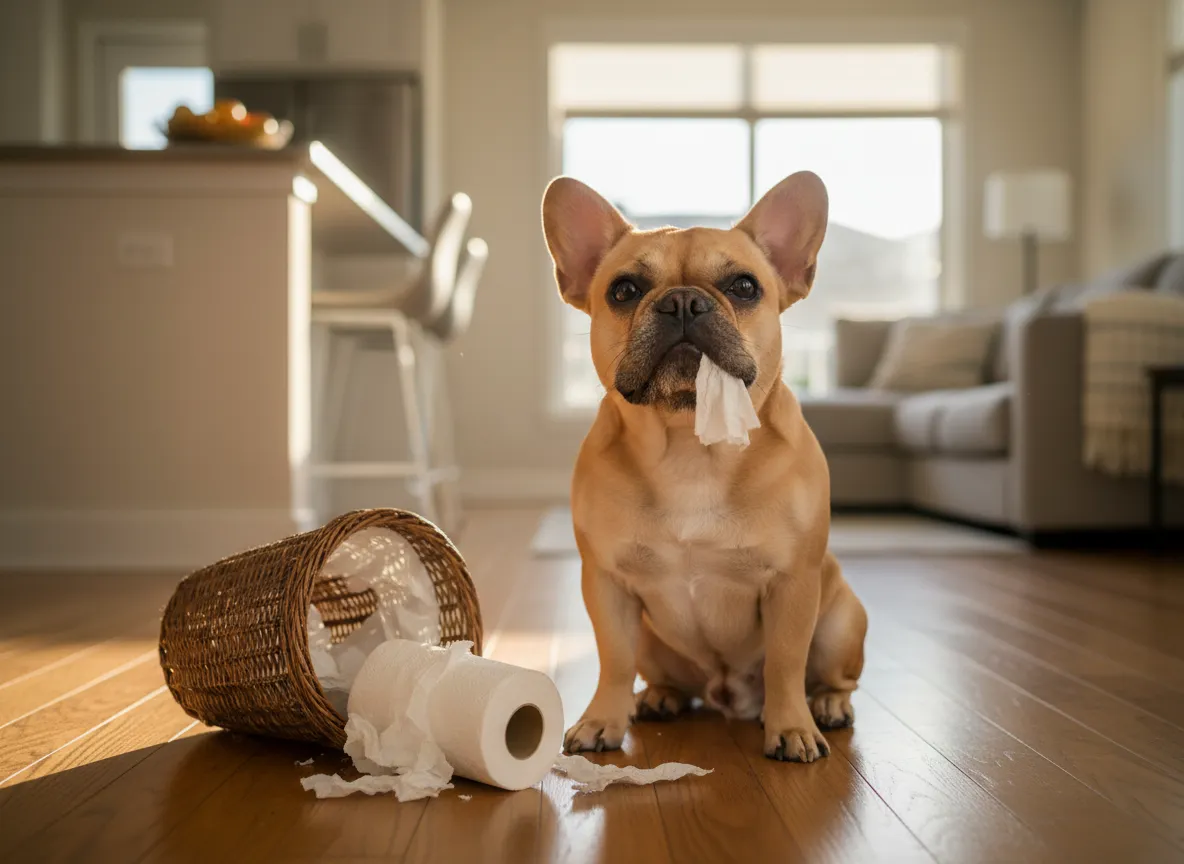
A Familiar Scene: The 'Guilty' Look
Picture this: You step into your living room only to find a scene of chaos—a toppled trash can, scattered tissues, or a chewed-up shoe. As you turn to your furry friend, their head dips, their tail tucks, and they avoid your gaze completely. It's a scenario many dog owners know all too well, often interpreted as a confession of guilt. But what if that look isn't what it seems?
Recent studies suggest that this 'guilty' look is more about responding to our emotions than a genuine expression of guilt. Dogs are incredibly perceptive creatures, able to read our body language, tone of voice, and emotional cues. When your dog sees you upset, they may exhibit behaviors we often associate with guilt, but these are actually their way of acknowledging your feelings.
The Science Behind Canine Expressions
Body Language: A Complex Communication Tool
Dogs communicate primarily through body language. What looks like guilt could be a variety of other emotions or responses. For instance, a lowered head or tucked tail might indicate submission or a desire to avoid conflict. It's important to remember that dogs, unlike humans, don't necessarily feel guilt in the same way we do. Their behaviors are more about reading the room and responding accordingly.
Research Insights
In a notable study, researchers observed how dogs reacted when scolded by their owners. The findings were fascinating—dogs displayed 'guilty' behaviors regardless of whether they were actually at fault. This suggests that their behaviors are more about reacting to our cues rather than an admission of wrongdoing. PetMD provides further insights into how dogs perceive human emotions, enriching our understanding of these complex interactions.
Learning from Experience
Dogs are also excellent learners of patterns. If they notice that certain actions lead to a change in your demeanor, they might preemptively show submissive behaviors. This doesn't mean they understand the concept of guilt but rather that they are clever in associating cause and effect.
How to Interpret and Respond
Recognize the Signs
Here are some common behaviors that might look like guilt but typically mean something else:
- Avoiding Eye Contact: Often a sign of de-escalation rather than guilt.
- Tucked Tail: Could indicate submission or fear.
- Turning Away: A polite way to disengage from an uncomfortable situation.
Building Better Communication
Understanding your dog's body language can improve your relationship and help you respond appropriately. Use our Dog Behavior Guide to explore more about canine communication.
Practical Tips for Dog Owners
- Stay Calm: Your dog picks up on your emotions. Staying calm helps them feel secure.
- Positive Reinforcement: Encourage desirable behaviors through rewards and praise.
- Educate Yourself: Use resources like the Training Guide to enhance your understanding of canine behavior.
Practical Tips for Understanding Dog Behavior
Stay calm during interactions.
Use positive reinforcement techniques.
Educate yourself on canine body language.
Conclusion: Strengthening the Bond
By recognizing that dogs communicate through behaviors rather than words, we can better appreciate their efforts to connect with us. Engaging with your dog on their level fosters a deeper bond and enhances mutual understanding. For more tips on nurturing this relationship, visit our blog.
You might also like
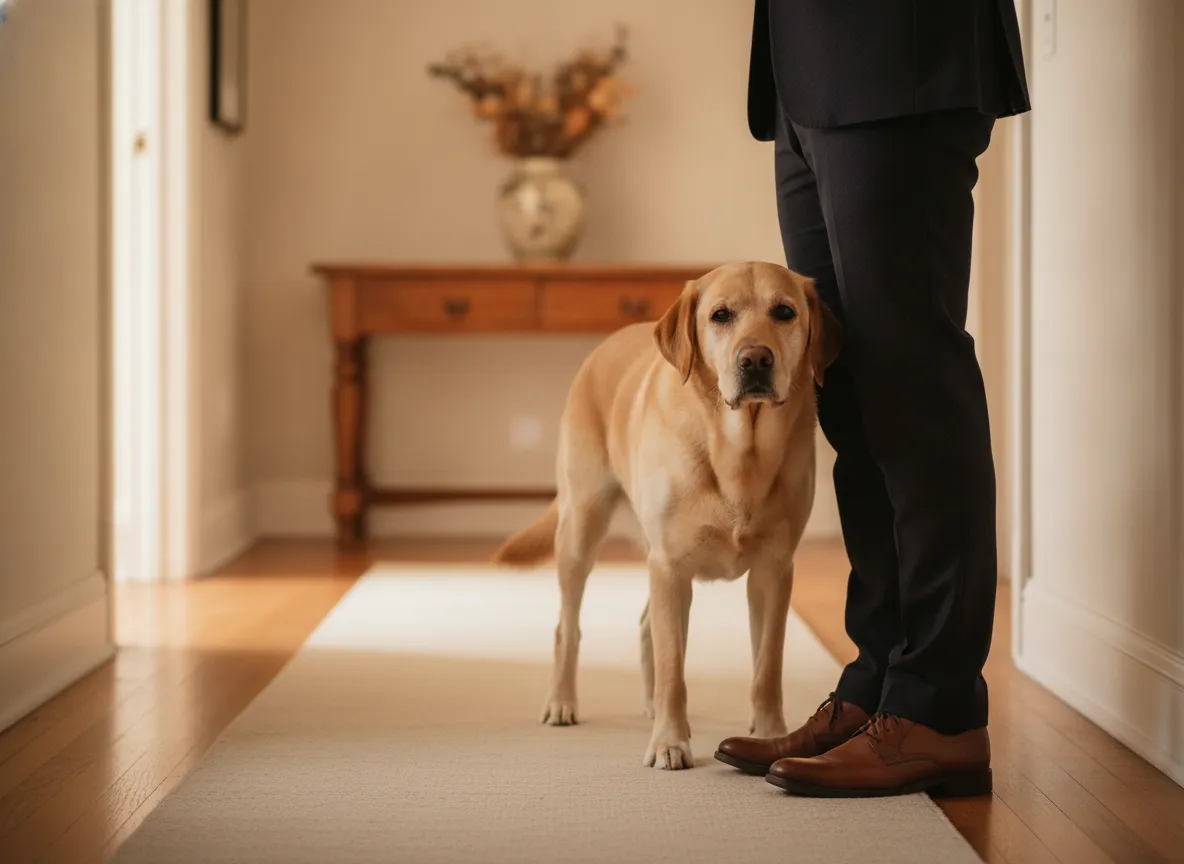
Why Does My Dog Lean Against Me? Unpacking the Canine Lean
Jun 12, 2026
Discover why dogs lean on us, what it means for your pup's comfort and trust, and how to interpret this affectionate behavior.
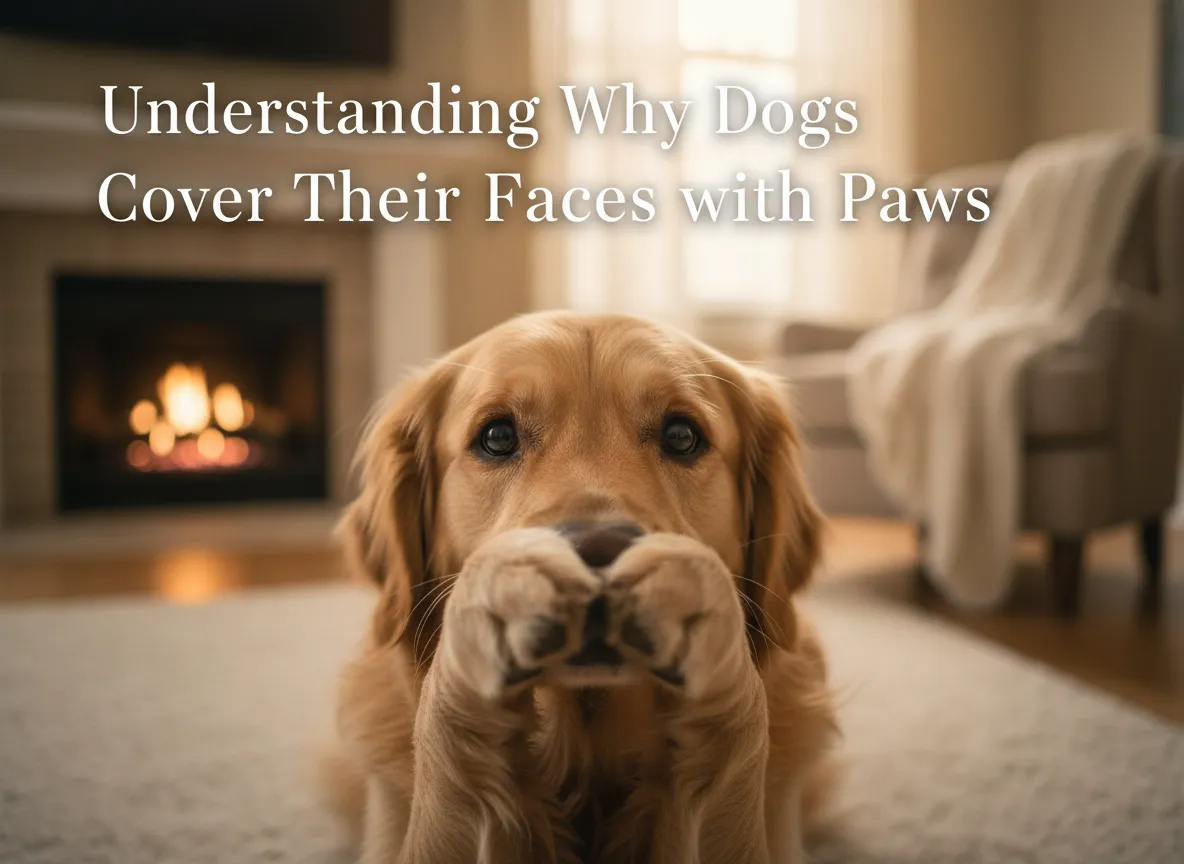
Understanding Why Dogs Cover Their Faces with Paws
Feb 26, 2026
Discover the reasons behind your dog's adorable face-covering habit and what it reveals about their comfort and communication.
Understanding Your Dog's Quiet Behavior: When Silence Speaks Volumes
Aug 29, 2026
Discover why your dog might be quieter than usual and learn when to be concerned about their silence.
Comments
No comments yet. Be the first to comment!
Anbefalt Hundeopplæring

Vi kan motta en provisjon hvis du kjøper gjennom disse lenkene (uten ekstra kostnad for deg).