What to Do When Considering Rehoming Due to Dog's Behavior Problems
Introduction
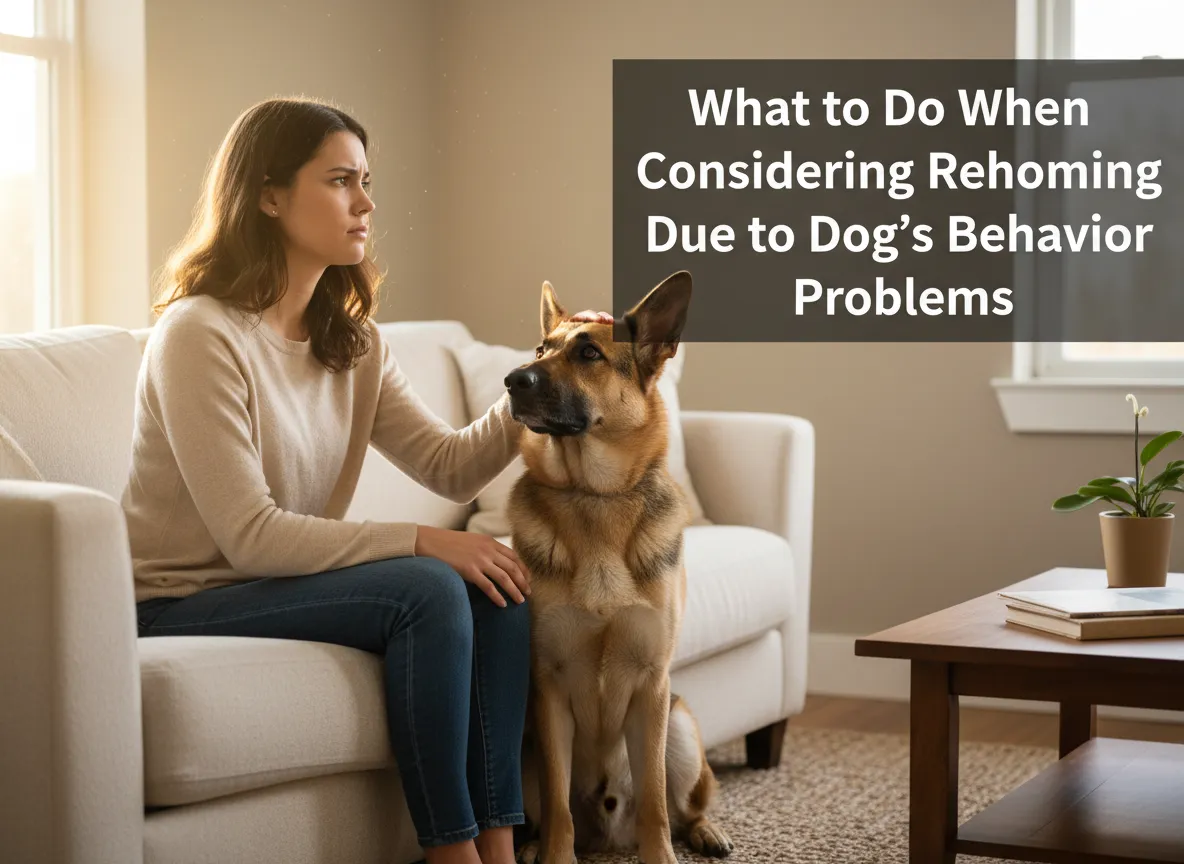
Realizing that your beloved dog is facing behavioral issues can be heartbreaking. Many dog owners find themselves considering rehoming as a last resort when they feel overwhelmed and out of options. But before making such a critical decision, it's important to explore effective strategies to help your dog overcome these challenges.
Understanding Behavioral Changes
Behavioral problems in dogs can stem from a variety of sources including changes in their environment, health issues, or developmental stages. It's essential to first understand the root cause of your dog's behavior before you can address it effectively.
- Environmental Changes: New family members, moving house, or changes in routine can significantly affect your dog's behavior.
- Health Issues: Pain or discomfort often leads to behavioral changes. Ensure your dog has a clean bill of health with a vet check-up.
- Developmental Stages: Adolescence in dogs, often around eight months, can result in changes as they test boundaries and develop personality.
Practical Strategies to Manage Behavior
1. Consistent Training
Consistency is crucial in managing behavioral issues. Establish a routine that includes regular training sessions. Focus on positive reinforcement techniques to encourage desirable behavior. You can find more training advice in our Training Guide.
2. Address Separation Anxiety
If your dog struggles when left alone, it is essential to gradually acclimate them to solitude. Start by leaving them alone for short periods, gradually increasing the duration. Interactive toys or treats can make alone time more bearable.
3. Exercise and Mental Stimulation
A well-exercised dog is often a well-behaved dog. Ensure your pet gets adequate physical activity and mental stimulation. Consider activities like puzzle toys or scent games.
Practical Tips for Managing Dog Behavior
Schedule a vet check-up to rule out medical issues.
Gradually increase periods of alone time to manage separation anxiety.
Use positive reinforcement to encourage good behavior.
Ensure your dog gets adequate exercise and mental stimulation daily.
Consider professional help if needed.
4. Professional Help
If issues persist, seek advice from a professional dog behaviorist who can tailor strategies to your dog's specific needs.
Practical Tips
- Schedule a vet check-up to rule out medical issues.
- Gradually increase periods of alone time to manage separation anxiety.
- Use positive reinforcement to encourage good behavior.
- Ensure your dog gets adequate exercise and mental stimulation daily.
- Consider professional help if needed.
When to See a Vet / Professional Advice
If your dog's behavior suddenly changes or if attempts to manage their behavior independently fail, it's important to consult a veterinarian or a professional dog behaviorist. They can provide insights into any underlying health issues or offer specialized training plans.
Conclusion
Dealing with a dog's behavioral problems can be challenging, but with patience, consistency, and the right approach, it's possible to help your dog become the sweet, gentle companion they once were. Explore all available resources and don't hesitate to seek professional help if you need it. Check out our Dog Behavior Guide for more insights.
External resources such as the ASPCA and PetMD can also offer valuable information.
You might also like

The Practical Guide to Male Dog Wraps for Incontinence
Jun 13, 2026
Learn how male dog wraps can help manage incontinence and inappropriate urination. Discover tips for measurement and care.

6 Heartwarming Signs Your Dog Truly Trusts You
Aug 8, 2026
Discover the subtle signs that reveal your dog’s deep trust and learn how to nurture this precious bond.

The Happiest Dog Breeds: Smiles That Brighten Every Day
Jul 22, 2026
Discover the dog breeds known for their naturally joyful faces and learn how their personalities make them beloved companions.
Comments
No comments yet. Be the first to comment!
Anbefalt Hundeopplæring


Vi kan motta en provisjon hvis du kjøper gjennom disse lenkene (uten ekstra kostnad for deg).