Winter Paw Care: Protecting Your Dog from Ice, Salt, and Cold
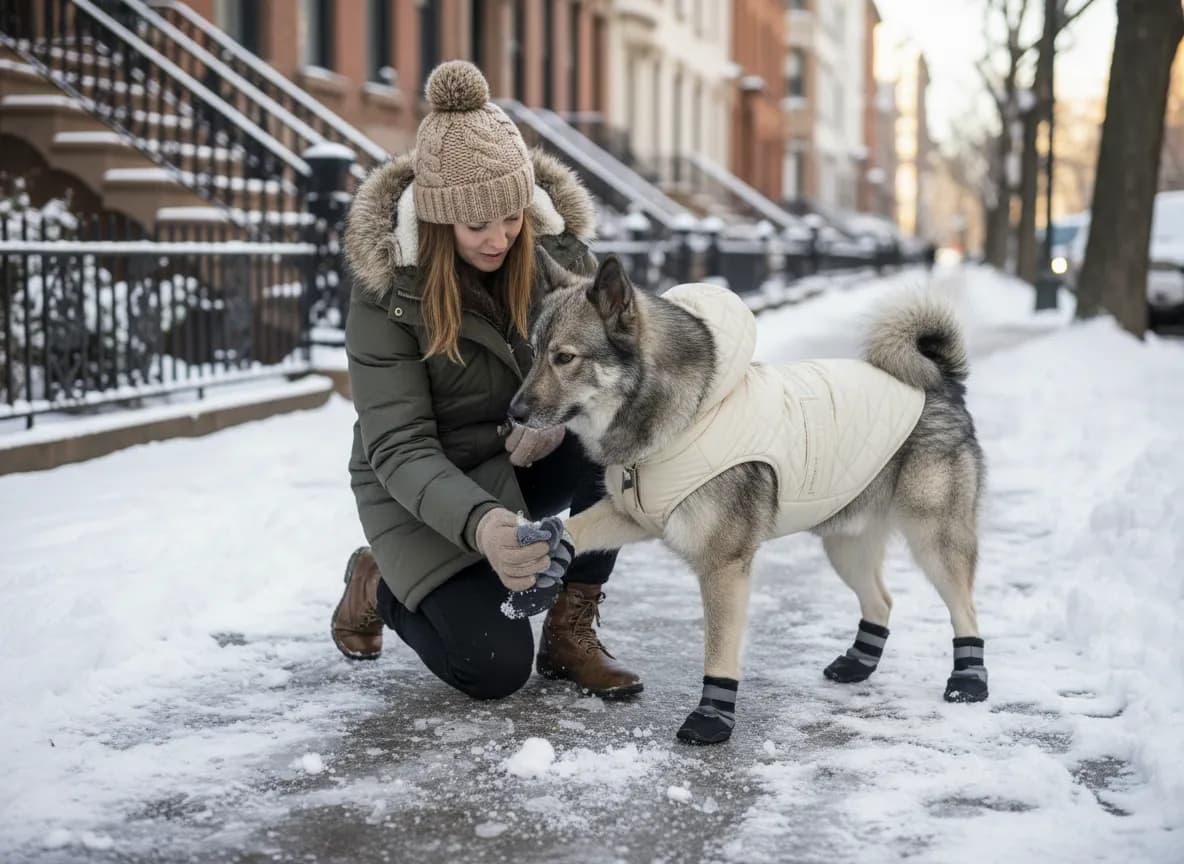
Winter Paw Care: Protecting Your Dog from Ice, Salt, and Cold
Winter is a magical season filled with snowy walks and frosty fun, but it also brings unique challenges for your dog's paws. Ice, salt, and cold temperatures can lead to cracked pads, irritation, and discomfort. Let's explore practical ways to keep your furry friend's paws healthy and happy throughout the winter months.
Understand the Risks
Before diving into prevention, it's crucial to understand the threats that winter presents to your dog's paws:
- Ice and Snow: These can accumulate between your dog's toes, creating discomfort and even frostbite in extreme cold.
- Salt and Chemicals: De-icing salts and other chemicals can cause irritation or burns if they come into contact with the skin.
- Cold and Dryness: Low temperatures and dry air can lead to cracked paw pads, which may become painful and infected.
Actionable Tips to Protect Your Dog's Paws
1. Regular Inspection and Cleaning
- Check Daily: After each walk, inspect your dog's paws. Look for any signs of injury or irritation, such as redness or cuts.
- Rinse and Dry: Gently rinse paws with lukewarm water to remove any salt or chemicals. Dry thoroughly, especially between the toes.
2. Moisturize with Paw Balms
- Choose the Right Balm: Apply a dog-safe paw balm to keep pads moisturized and prevent cracking. Look for products with natural ingredients.
- Regular Application: Apply balm before and after walks for best results.
3. Invest in Dog Booties
- Find the Right Fit: Booties can protect against ice, salt, and cold. Ensure they fit snugly but comfortably.
- Practice Indoors: Let your dog get used to wearing booties indoors before venturing outside.
4. Trim Paw Fur
- Reduce Snow Accumulation: Keep the fur between your dog's pads trimmed to prevent snowballs from forming.
- Home Grooming: Use blunt scissors or clippers for safe trimming.
5. Limit Exposure
- Short Walks: During extremely cold days, keep walks shorter to minimize exposure to ice and salt.
- Avoid Salted Areas: Try to choose paths without heavy salting, or carry your dog over these spots if possible.
Quick Solutions for Immediate Care
- Check our toxic foods checker for safe and unsafe winter foods.
- Use our product research tool to find the best paw balms and booties for your dog.
Winter can be a challenging season for your dog's paws, but with the right care and precautions, your furry friend can enjoy the snow without discomfort. Embrace these tips to ensure every walk is a safe and joyful experience.
Conclusion
Caring for your dog's paws in winter is about more than just comfort—it's about preventing injury and ensuring their well-being. By following these guidelines, you're taking an essential step to protect your dog's health and happiness during the colder months.
Explore these tips and make this winter a season of fun and safety for you and your dog.
Understanding Nordic Winter Hazards for Dogs
Norwegian winters present unique challenges that dog owners in milder climates rarely face. With temperatures regularly dropping below -10°C and daylight hours shrinking to just six hours in some regions, winter preparedness goes beyond paw care.
Road salt (natriumklorid and calcium chloride) is one of the most common winter irritants for dogs. When dogs walk on salted surfaces, the crystals become lodged between their paw pads, causing chemical burns and drying out the skin. Some municipalities also use gravel, which while less chemically irritating, can cause mechanical abrasions between the pads. After every winter walk, rinse your dog's paws with lukewarm water to remove salt and chemicals.
Antifreeze (ethylene glycol) is another serious winter danger. It has a sweet taste that attracts dogs but is extremely toxic — as little as a tablespoon can be lethal for a medium-sized dog. Watch for puddles in garages, driveways, and parking lots. If you suspect your dog has ingested antifreeze, seek emergency veterinary care immediately. Our Toxic Foods Checker covers common household toxins including antifreeze.
Cold Weather Exercise Guidelines
Dogs still need exercise during winter, but the intensity and duration should be adjusted:
- Short-coated and small breeds (Chihuahuas, Greyhounds, French Bulldogs) may need insulated coats when temperatures drop below 0°C and should limit outdoor time in severe cold.
- Nordic and double-coated breeds (Huskies, Elkhounds, Samoyeds) generally handle cold well but still need protection from wind chill and wet conditions.
- Senior dogs and puppies have less ability to regulate body temperature and should have shorter outdoor sessions with warm-up periods between.
- Watch for signs of hypothermia: shivering, lethargy, shallow breathing, and weak pulse. If your dog shows these signs, bring them inside immediately, wrap them in warm blankets, and contact your vet.
Plan your winter exercise routine with our Daily Bonding Regimen tool — it helps you balance outdoor activity with indoor enrichment during the darkest months. Use our Product Research tool to find boots, coats, and paw wax that other Nordic dog owners recommend.
You might also like

Top Tips for Storing Your Dog's Food Freshly and Securely
Aug 26, 2026
Discover the best ways to store your dog's food to maintain freshness and nutrition. Secure your pantry and keep pests away!

Understanding Short Spine Syndrome in Dogs: A Look at Recent Findings
Aug 24, 2026
Discover how short spine syndrome, as seen in the viral raccoon 'Jimothy', can also affect dogs, and what it means for your pet's health.

Is Vegan Dog Food a Healthy Choice? A New Study Weighs In
Aug 23, 2026
Discover if vegan dog food can meet your pup's nutritional needs while being digestible. What does the latest research reveal?
Comments
No comments yet. Be the first to comment!
Anbefalt Hundeopplæring


Vi kan motta en provisjon hvis du kjøper gjennom disse lenkene (uten ekstra kostnad for deg).