First Aid Basics Every Dog Owner Should Know
First Aid Basics Every Dog Owner Should Know
As a devoted dog owner, your furry friend's safety is always a top priority. While we hope to never face emergencies, being prepared can make all the difference. Here are some essential first aid basics every dog owner should know.
Handling Choking Emergencies
Dogs are naturally curious and can sometimes swallow objects that may cause choking. If your dog is choking:
- Stay Calm: Your reaction can affect your dog's stress levels.
- Check the Mouth: Open your dog's mouth and look for any visible obstructions. Use your fingers to remove it if possible.
- Perform the Heimlich Maneuver:
- For small dogs, gently hold them and place a firm hand just below the rib cage. Push upwards and inwards.
- For larger dogs, stand behind them, wrap your arms around their waist, and use a closed fist to give firm upward thrusts.
- Immediately consult your vet after the initial aid.
Controlling Bleeding
In case of cuts or wounds:
- Apply Pressure: Use a clean cloth or bandage to apply firm pressure to the wound.
- Elevate the Injury: If possible, raise the injured area above the heart level to reduce bleeding.
- Clean the Wound: Once bleeding is controlled, clean the wound with saline solution or clean water.
- Contact Your Vet: Even a small cut can lead to complications without proper care.
Dealing with Heatstroke
Dogs are susceptible to heatstroke, especially in hot weather.
- Move to a Cool Area: Get your dog out of the sun immediately.
- Cool Them Down: Use cool water or wet towels to lower their body temperature, focusing on the neck, armpits, and paws.
- Offer Water: Encourage small amounts of water or an electrolyte solution.
- Visit the Vet: Heatstroke can cause serious damage, so it's crucial to seek veterinary care.
Responding to Poisoning
Dogs can be exposed to toxins from foods or chemicals.
- Identify the Source: Quickly determine what your dog has ingested.
- Check Symptoms: Look for signs such as vomiting, drooling, or lethargy.
- Call Your Vet: Provide as much information as possible, including the substance and the amount consumed.
- Check our Toxic Foods Checker for a list of common household items that are harmful to dogs.
Key Tools for Preparedness
Having the right tools at hand can make dealing with emergencies more efficient:
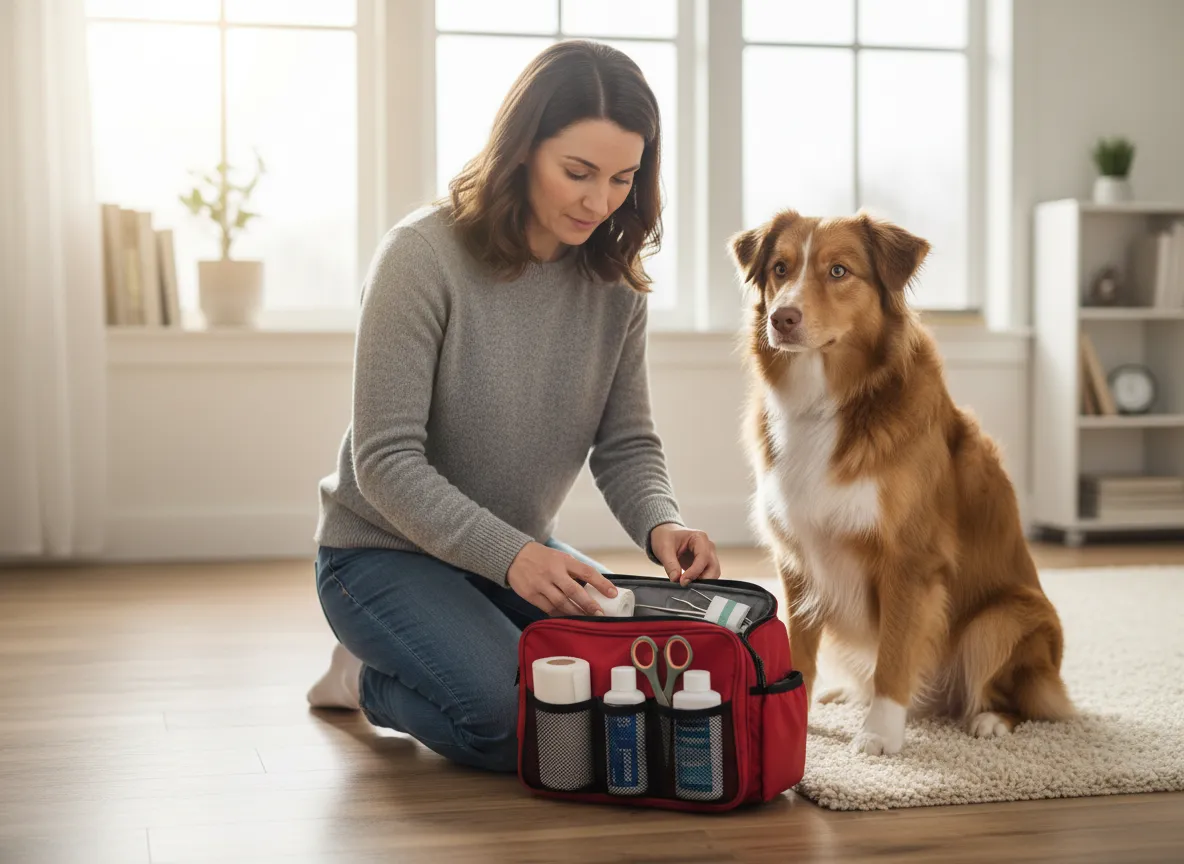
- First Aid Kit: Include bandages, antiseptic wipes, tweezers, and an emergency contact list.
- Phone Numbers: Keep your vet's and a 24-hour emergency clinic's numbers easily accessible.
- Use our Product Research Tool to find the best first aid kits tailored for dogs.
Stay Educated
Regularly reviewing first aid procedures can boost your confidence and ability to act quickly in emergencies.
Remember, prompt action can be life-saving. Prepare yourself and ensure your dog's safety with these first aid basics.
Building a Dog First Aid Kit
Every dog owner should have a dedicated first aid kit ready at home and a smaller version for travel. Here is what veterinary professionals recommend including:
Essential items:
- Sterile gauze pads and rolls for wound dressing
- Self-adhesive bandage wrap (like Vetrap) that sticks to itself without tape
- Antiseptic wipes or solution (chlorhexidine-based, not hydrogen peroxide which can damage tissue)
- Digital thermometer (normal dog temperature is 38-39.2°C / 100.4-102.5°F)
- Blunt-tipped scissors for cutting bandages and trimming fur around wounds
- Tweezers for tick and splinter removal
- Styptic powder or pencil to stop minor nail bleeding
- Saline eye wash for flushing debris from eyes
- Emergency blanket for shock or hypothermia
Medications to discuss with your vet:
- Antihistamine (diphenhydramine) for allergic reactions — dosage must be confirmed by your vet
- Activated charcoal for potential poisoning — only use under veterinary guidance
Store your kit in a clearly labeled, waterproof container and check expiration dates every six months. Our Product Research tool can help you find pre-made veterinary first aid kits with good reviews.
Knowing Your Emergency Contacts
In Norway, keep these numbers accessible:
- Your regular veterinarian's phone number and after-hours emergency line
- The nearest emergency veterinary clinic (dyrlege vaktklinikk)
- The Norwegian Poison Information Center (Giftinformasjonen): 22 59 13 00
Save these contacts in your phone and post them on your refrigerator. In an emergency, seconds matter, and searching for numbers adds unnecessary stress. Also make sure anyone who cares for your dog — dog sitters, family members, dog walkers — has access to these numbers and knows your dog's medical history.
Remember: first aid is not a substitute for veterinary care. It is about stabilizing your dog and buying time until you can reach professional help. When in doubt, always call your vet. Our Dog Behavior Guide can also help you recognize signs of pain and distress that might indicate a medical emergency.
You might also like
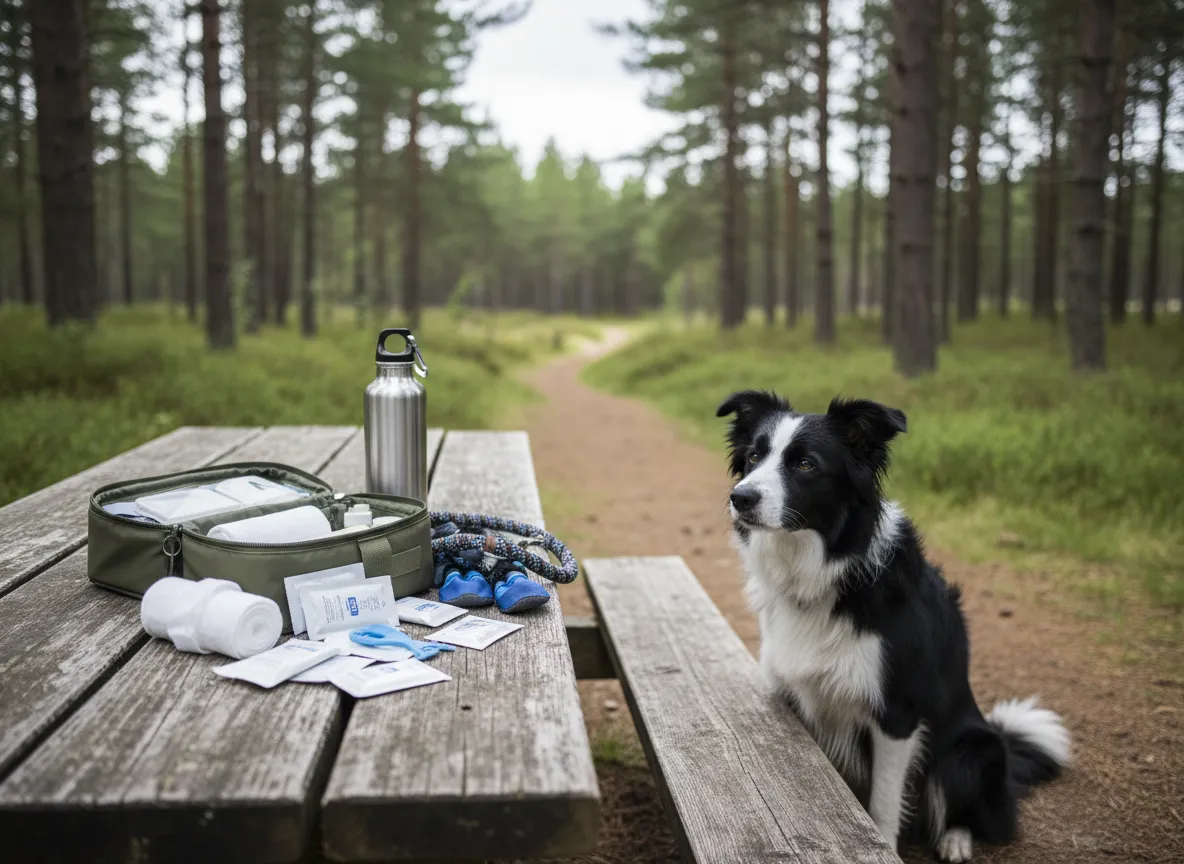
Essential Dog First Aid Kits: Be Prepared for Pet Adventures
Jun 1, 2026
Dog first aid kits are crucial for addressing minor injuries quickly and effectively, ensuring you're always prepared for your pet's adventures.

Why Your Dog Should Skip the French Fries
Mar 21, 2026
Discover why feeding your dog French fries isn't as harmless as it seems, and learn what to do if they indulge.

What to Do If Your Dog's Tooth Comes Out During Play
Feb 27, 2026
Learn the steps to take if your dog's tooth comes out during play. Discover how to manage bleeding and when to consult a vet.
Comments
No comments yet. Be the first to comment!
Anbefalt Hundeopplæring


Vi kan motta en provisjon hvis du kjøper gjennom disse lenkene (uten ekstra kostnad for deg).