Superfoods for Dogs: Safe Fruits and Veggies to Enhance Their Diet
Introduction
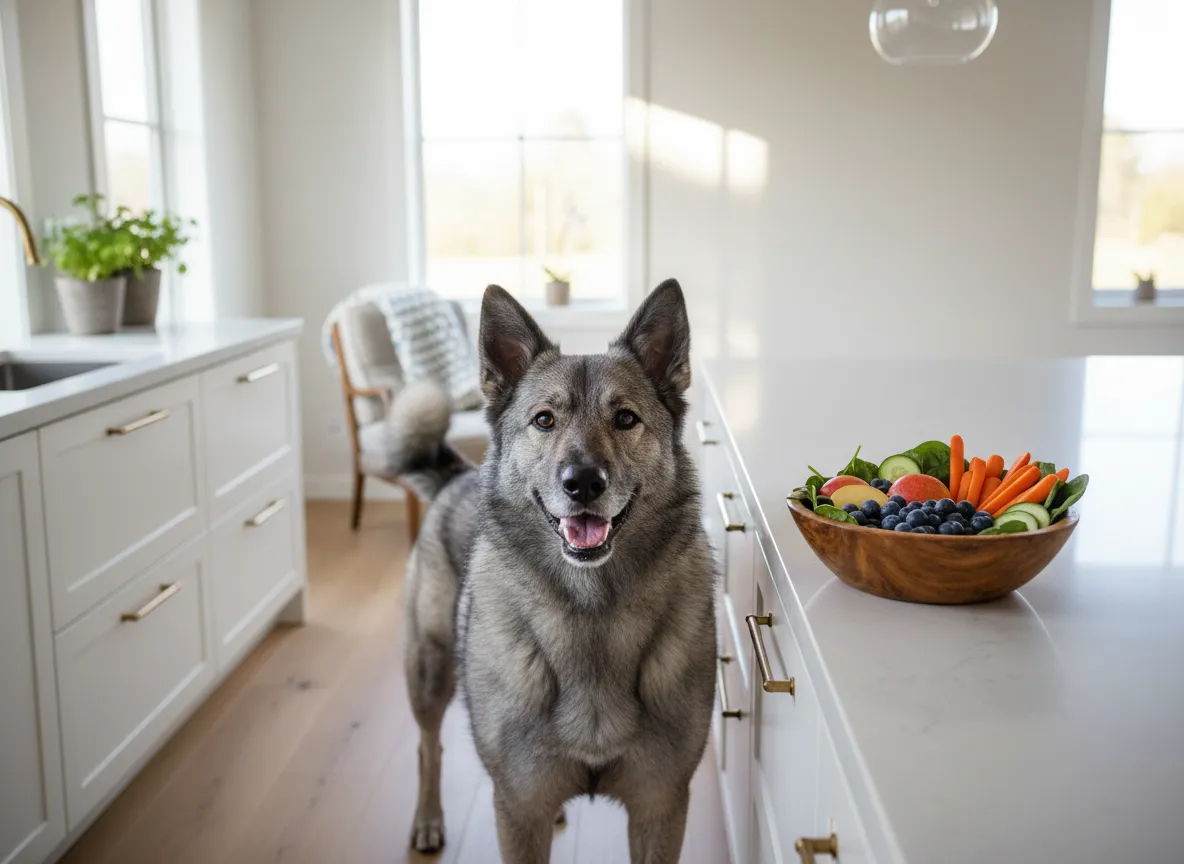
As dog owners, we strive to ensure our furry friends are as healthy as possible. While most dogs are content with their typical kibble, adding certain fruits and vegetables can provide extra nutrients and variety. Understanding which superfoods are safe and beneficial for dogs is crucial.
Why Include Superfoods?
Superfoods are packed with essential vitamins, minerals, and antioxidants that can enhance your dog's health. These foods can improve coat health, support digestion, boost immunity, and contribute to overall well-being.
Safe Fruits for Dogs
Blueberries
Blueberries are a powerhouse of antioxidants and vitamin C. They're excellent for brain health and can be served fresh or frozen as a tasty treat.
Apples
Apples are rich in fiber and vitamins A and C. Remember to remove the seeds and core, as they can be harmful. A few apple slices a day can be a refreshing snack.
Bananas
Bananas are high in potassium and vitamins B6 and C. They are easy to digest and can be mashed and mixed into your dog's food bowl.
Safe Vegetables for Dogs
Carrots
Carrots are low in calories and high in fiber and beta-carotene. They are great for dental health, as chewing on them can help clean your dog’s teeth.
Spinach
Rich in iron and magnesium, spinach can help with your dog's metabolism. Serve it mildly steamed and chopped to avoid any digestive issues.
Sweet Potatoes
Sweet potatoes are a wonderful source of dietary fiber, which aids in digestive health. They are also rich in beta-carotene and can be served boiled or baked.
How to Introduce Superfoods
- Start Slowly: Introduce new foods gradually to avoid upsetting your dog's stomach.
- Monitor Reactions: Keep an eye on any allergic reactions. If your dog shows discomfort, discontinue the food.
- Portion Size Matters: Use superfoods as supplements – they should not make up more than 10% of your dog's daily intake.
Conclusion
Incorporating superfoods into your dog's diet can be a simple yet effective way to boost their health. Always ensure the foods are safe and monitor your dog's reactions. For more details on safe foods, check our toxic foods checker.
Remember, every dog is different, so consult with your veterinarian before making significant changes to your dog’s diet.
Explore other nutritional tips and tricks here.
Want to build the perfect diet for your dog? Use our Nutrition Planner to create balanced meal plans tailored to your dog's needs. Always double-check new foods with our Toxic Foods Checker before feeding them to your pup. For more on dog nutrition science, the AKC nutrition guide is an excellent resource.
How to Introduce New Foods Safely
When adding superfoods to your dog's diet, the transition should be gradual and methodical. Start with tiny amounts — a teaspoon for small dogs, a tablespoon for larger breeds — and observe your dog for 48 hours before increasing the portion. Watch for signs of digestive upset including loose stools, vomiting, excessive gas, or loss of appetite.
Some dogs have sensitivities to specific fruits and vegetables even when those foods are generally considered safe. Every dog is an individual, and what works for one may not work for another. Keep a simple food diary noting what you introduced and any changes in your dog's digestion, coat quality, energy level, or stool consistency. This makes it easy to identify problem foods if issues arise.
Remember that treats and supplements — including superfoods — should make up no more than 10% of your dog's daily caloric intake. The remaining 90% should come from a complete and balanced commercial dog food or a veterinarian-approved homemade diet. Use our Nutrition Planner to ensure your dog's overall diet stays balanced as you add new ingredients.
Seasonal Superfood Ideas for Nordic Dog Owners
Living in the Nordics gives us access to some excellent local superfoods for dogs:
- Wild blueberries (villbær) are abundant in Norwegian forests during summer and are packed with even more antioxidants than cultivated varieties. Freeze them for year-round use.
- Salmon and other fatty fish from Norwegian waters are among the world's best sources of omega-3 fatty acids. Cooked salmon (never raw, as it can contain parasites dangerous to dogs) supports coat health and reduces inflammation.
- Lingonberries (tyttebær) contain natural benzoic acid with antimicrobial properties. Offer sparingly due to their tartness.
- Root vegetables like carrots, turnips, and parsnips are available year-round and make excellent low-calorie treats when cooked.
Before making significant changes to your dog's diet, especially if your dog has health conditions, consult with your veterinarian. You can also check our Toxic Foods Checker to verify that any ingredient you are considering is safe for dogs.
You might also like

Is Vegan Dog Food a Healthy Choice? A New Study Weighs In
Aug 23, 2026
Discover if vegan dog food can meet your pup's nutritional needs while being digestible. What does the latest research reveal?

5 Collagen-Rich Foods to Boost Your Dog's Joint and Skin Health
May 12, 2026
Discover how collagen-rich foods can enhance your dog's joint and skin health, and learn practical tips to incorporate them into their diet.

Understanding Chicken Allergies in Dogs: What Every Pet Owner Should Know
Mar 14, 2026
Many dogs enjoy chicken as a staple in their diet, but some may develop allergies. Learn how to identify and manage these allergies for a healthier pup.
Comments
No comments yet. Be the first to comment!
Anbefalt Hundeopplæring


Vi kan motta en provisjon hvis du kjøper gjennom disse lenkene (uten ekstra kostnad for deg).